A New Paradigm for the Globalization of Chinese Culture | Second Mingde Culture Forum Successfully Held
Nov 12, 2024 · 1 view
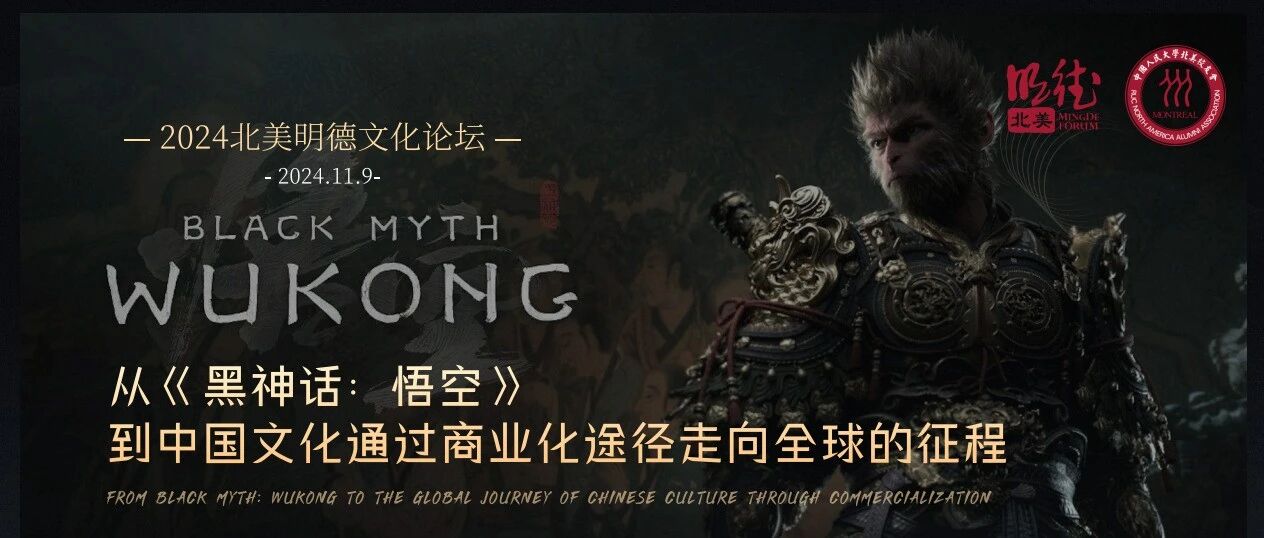
On the evening of November 9, 2024, U.S. Eastern Time, the Second Mingde Culture Forum, hosted by the RUC North America Alumni Association and organized by its Montreal Chapter, was successfully held. The forum brought together experts, scholars, industry professionals, and gaming enthusiasts from the cultural and technology sectors. Under the theme “From Black Myth: Wukong to the Global Journey of Chinese Culture Through Commercialization,” the forum explored the pathways through which Chinese culture can reach global audiences and find new forms of commercial expression in international markets.
In her opening remarks, Wu Yafeng, President of the RUC North America Alumni Association, noted that the market is a key pathway for cultural communication. Particularly in today’s international environment, commercial approaches can provide cultural enterprises with more flexible and effective means of reaching global audiences. Black Myth: Wukongoffers a successful example. He expressed hope that the forum would help identify more diverse and effective pathways for Chinese culture to reach the world—achieving not only economic value, but also the long-term aspirations of cultural development, so that Chinese culture can “go global, take root, and become part of everyday life around the world.”
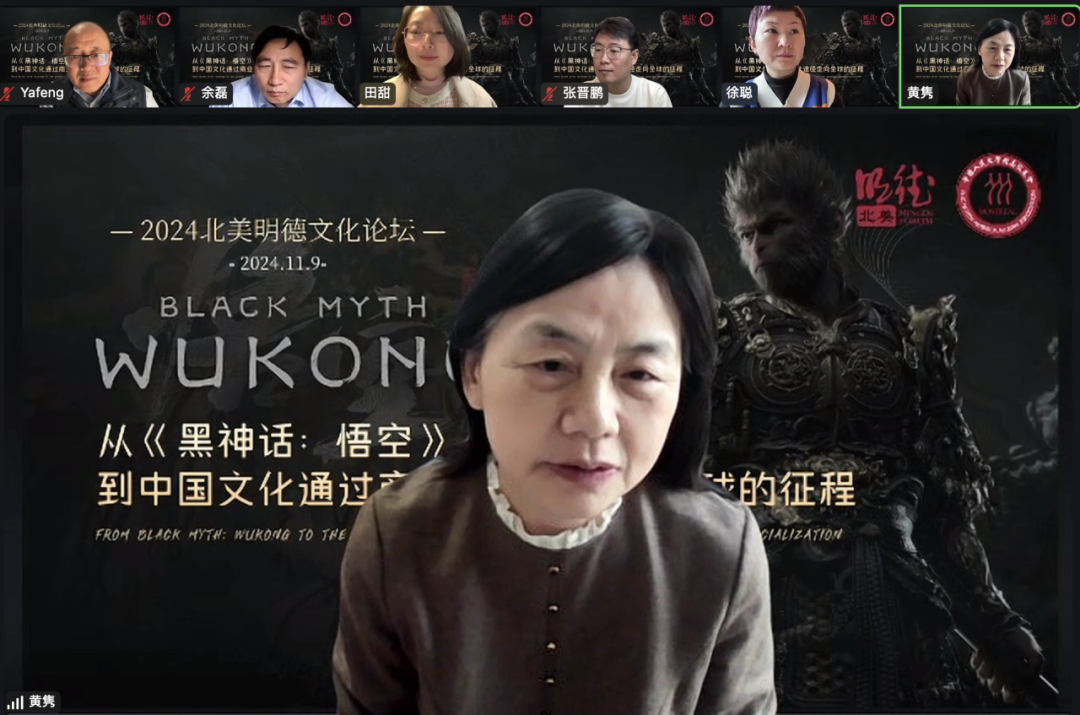
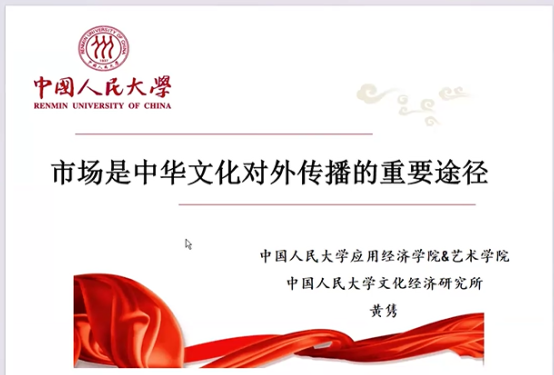
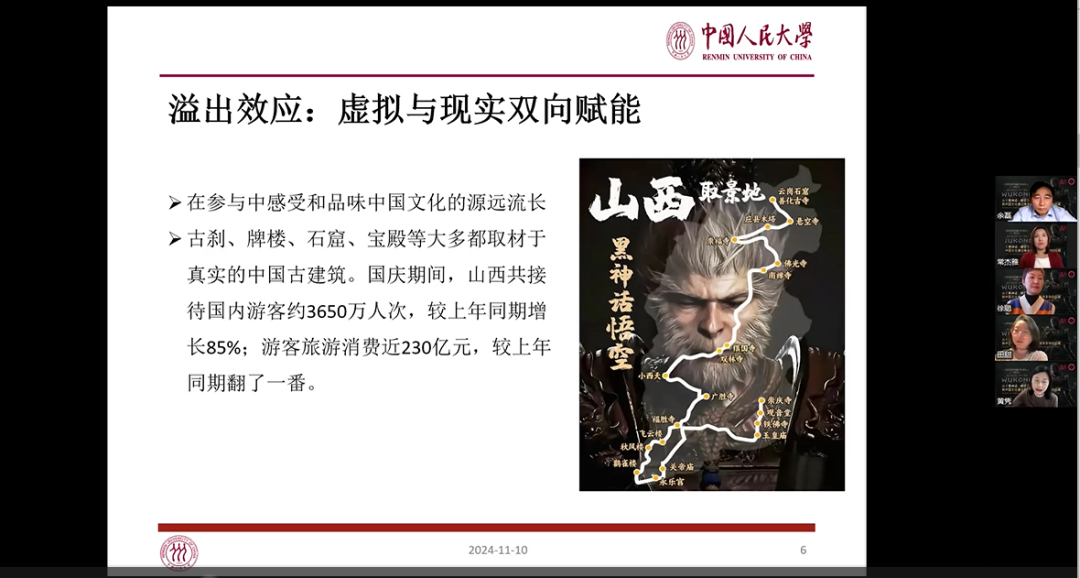
In the keynote session, Professor Huang Jun, Director of the Institute of Cultural Economics at Renmin University of China, jointly appointed Professor at the School of Applied Economics and the School of Arts, and doctoral advisor, shared what she described as the “three-piece set” of Chinese culture going global: online literature, online drama, and games. She emphasized that the rapid development of the digital economy has dramatically increased the efficiency of cultural production, creating new momentum for the global dissemination of Chinese culture.
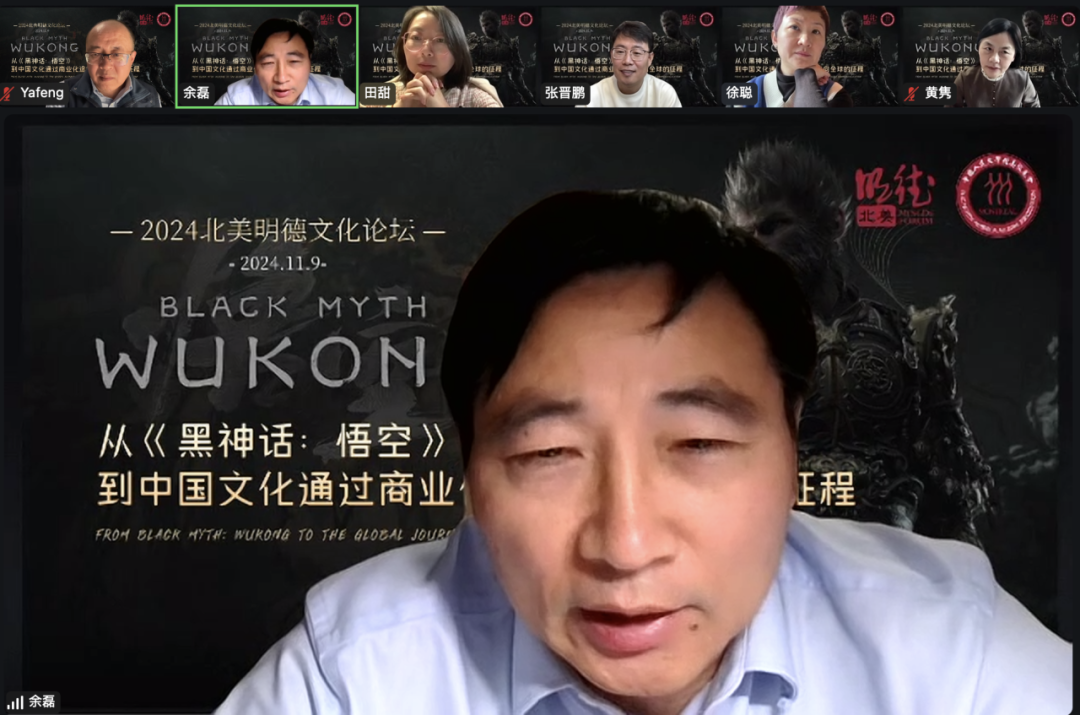
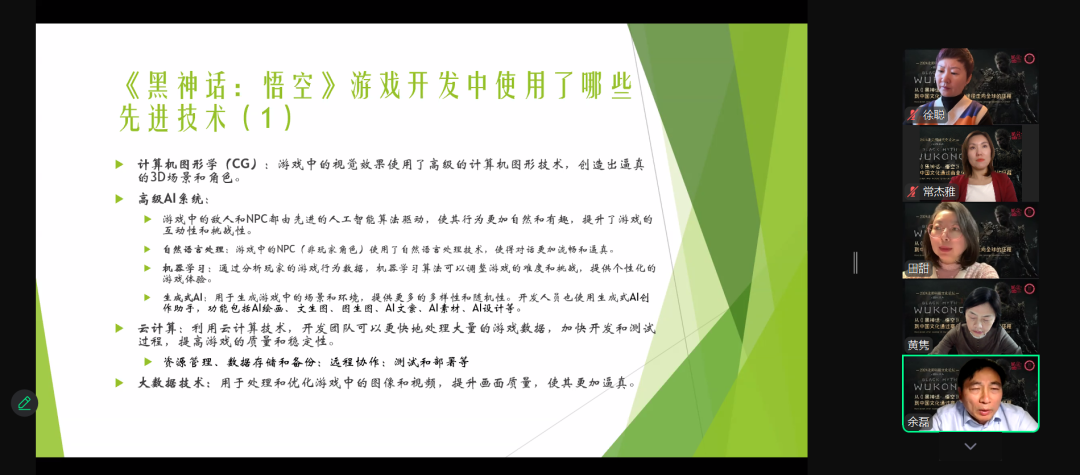
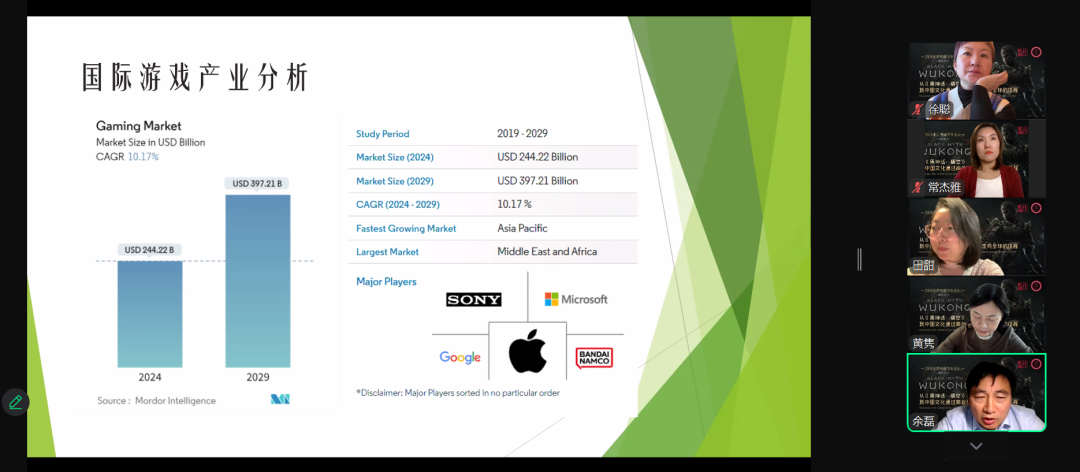
Yu Lei, President of Polaris Information Technology Co., Ltd. in Canada and President of the Chinese Information Technology Association of North America, provided an in-depth analysis from a technological perspective of the industrialized production process and advanced technologies behind Black Myth: Wukong. He also examined the international and Chinese gaming industries and discussed how emerging technologies such as AI and cloud computing can empower cultural products seeking to enter global markets.
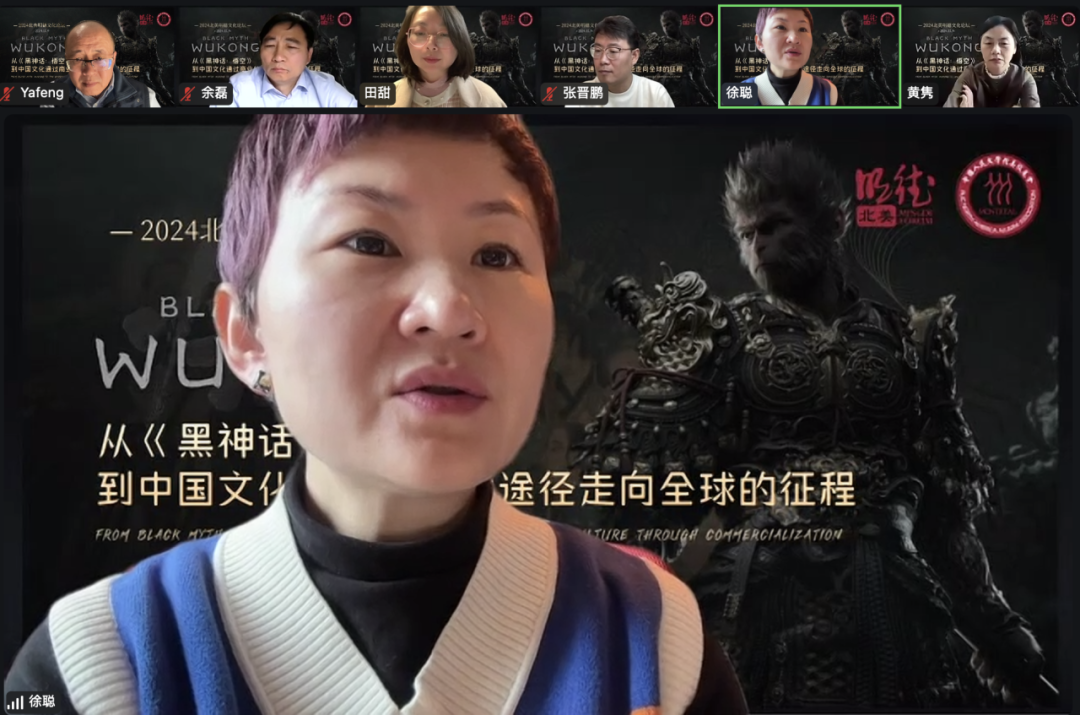
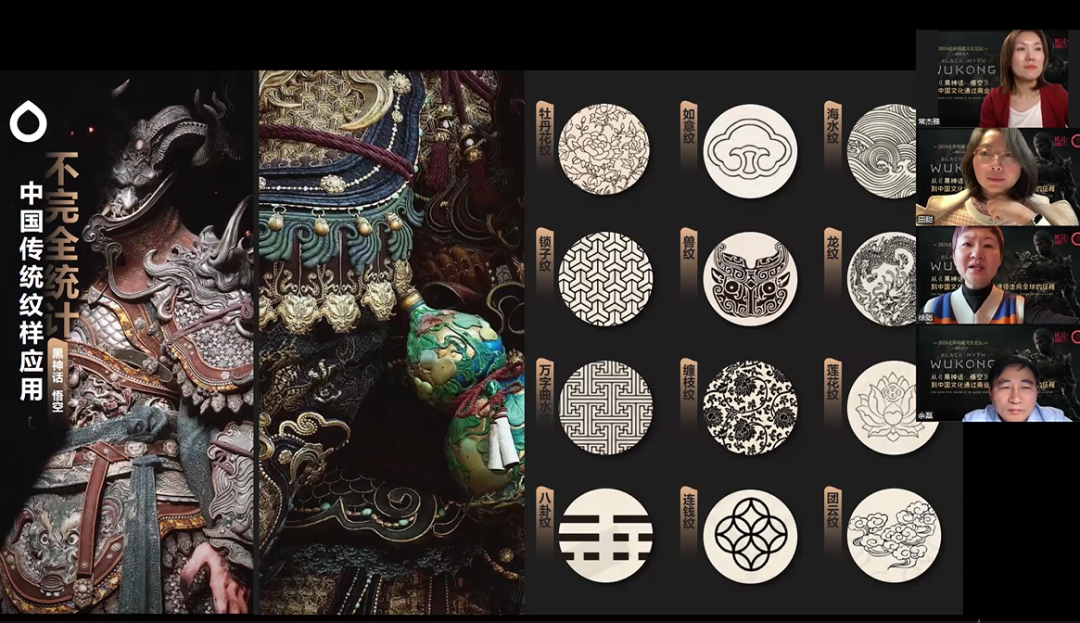
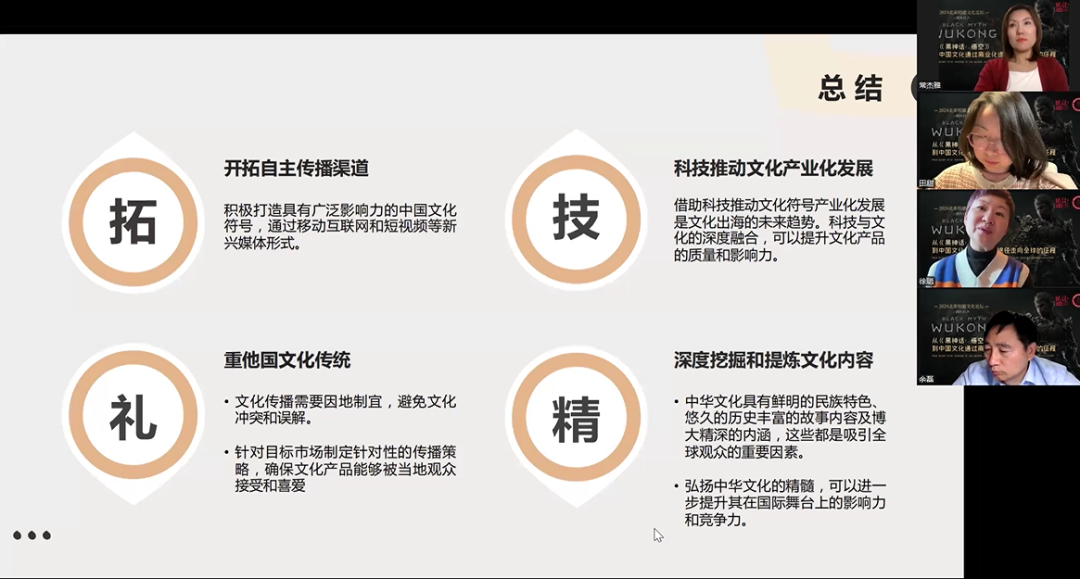
Xu Cong, Managing Director of Beijing Fashion Way Brand Management Co., Ltd., as well as a veteran media professional and strategist, focused on the strategies and key factors behind taking Chinese culture global. She noted that one of the strengths of Black Myth: Wukong lies in its ability to integrate Chinese culture into everyday consumption scenarios around the world, overcoming the limitations of the traditional model of one-way cultural export.
Zhang Jinpeng, Founder and CEO of Zhongding Tianxia, explored the commercialization of culture and technology from the perspective of large-scale VR spatial technology. He demonstrated how cross-disciplinary collaboration between technology and culture can enable mutual empowerment between the virtual and physical worlds, creating new possibilities for the commercial development of cultural technology.
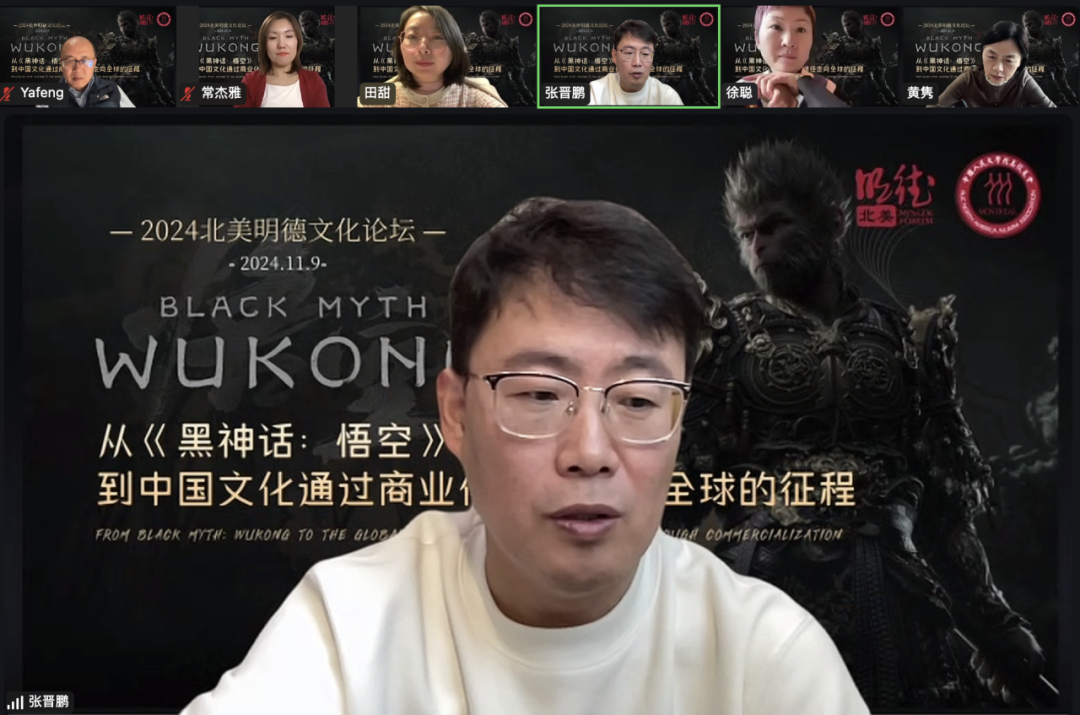
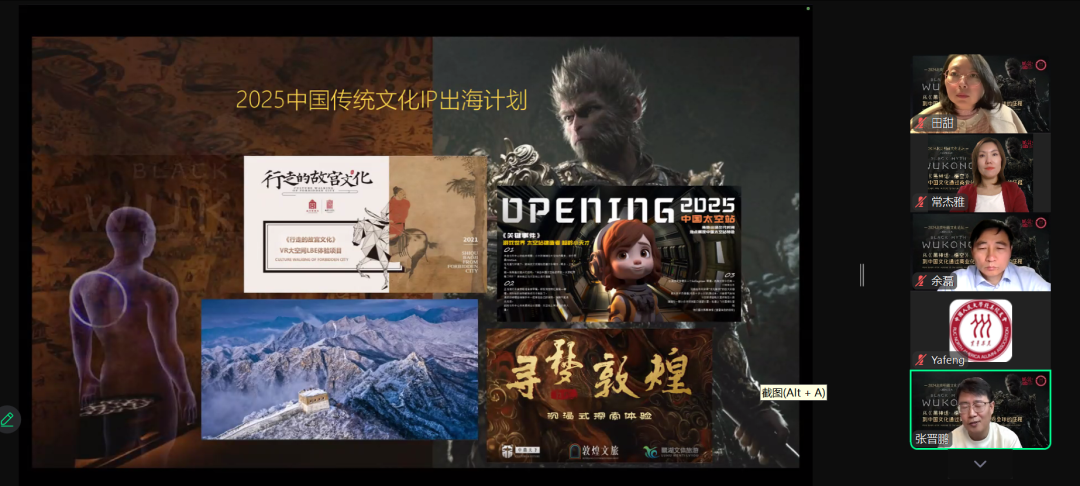
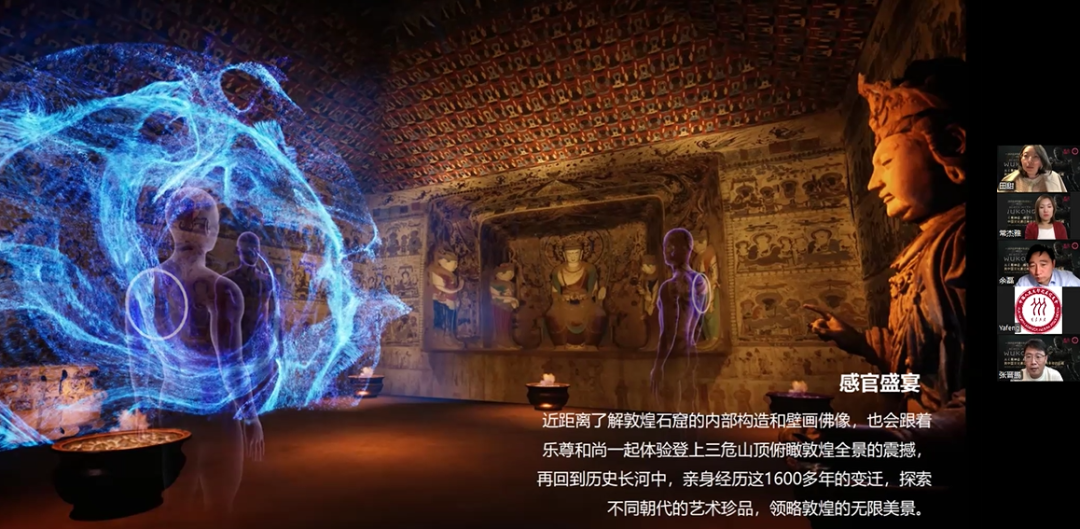
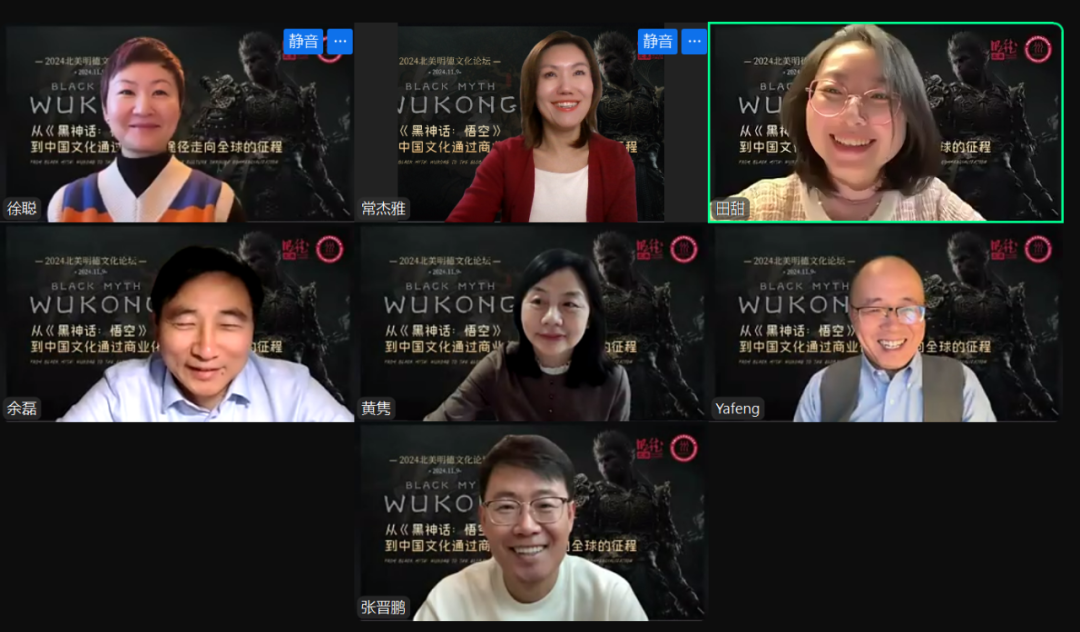
During the panel discussion, the four speakers engaged in an in-depth conversation on the cross-disciplinary integration of culture and technology, as well as the challenges facing Chinese culture in global markets.
Zhang Jinpeng noted that culture and technology are two distinct fields, and one of the greatest barriers to industry development lies in bringing the two together and enabling them to work effectively within a project. Delivering the highest-quality visual experience within the constraints of hardware technology requires strong overall project leadership, including a balance between technical expertise and aesthetic judgment. Only when these elements are highly coordinated can meaningful barriers to entry be established and the two fields advance together.
From the perspective of taking Chinese culture global, Xu Cong examined the historical challenges facing the international dissemination of Chinese culture. In the past, cultural exports were often characterized by one-way communication, with limited integration into the everyday consumption habits of overseas audiences. She argued that Black Myth: Wukong succeeded in part because the medium of gaming is closely integrated with everyday consumption and entertainment in global markets, whereas other forms, such as exhibitions and fashion weeks, have not achieved the same degree of integration.
Professor Huang Jun emphasized that cultural communication is not simply about presenting classical Chinese culture. More importantly, it is about engaging audiences through compelling and enjoyable market-driven forms. Cultural communication should begin with experiences that are interesting and attractive, allowing global audiences to appreciate cultural meaning in an enjoyable way. She also suggested that Chinese cultural communication should not be limited to China’s own cultural heritage. Chinese creators can also reinterpret and re-create classic works from other cultures, presenting them from a Chinese perspective and offering distinctive values and insights. Such two-way cultural interaction can help foster greater recognition of Chinese culture in global markets.
The forum was co-moderated by Tian Tian, Council Member of the RUC North America Alumni Association and President of its Montreal Chapter, and Chang Jieya, Secretary of the RUC North America Alumni Association Council and Secretary-General of its Montreal Chapter. Alumni, entrepreneurs, and cultural enthusiasts from China, the United States, Canada, and other countries attended the event.
The Culture Forum also served as an important prelude to the Mingde Forum 2024, which was held in New York on November 16. Under the theme “Insights and Decision-Making in an Era of Global Paradigm Shifts,” the annual forum continued to explore profound changes and emerging opportunities in global politics, economics, and culture. Topics included the outcome and implications of the U.S. presidential election, economic and market outlooks in the United States and China, and a panel discussion on “Strategies for Chinese Companies Going Global.”
Taking Chinese culture global is an important part of the broader effort by Chinese companies to expand internationally. In this sense, the successful Second Mingde Culture Forum and the Mingde Forum 2024 complemented one another, highlighting different but closely connected dimensions of China’s engagement with the world.