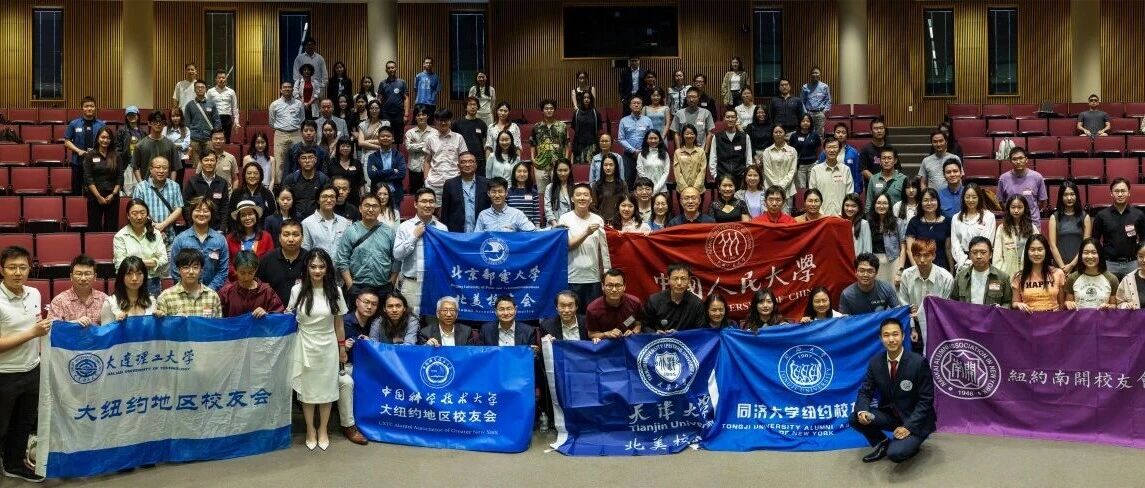

Golden September brought a season of renewal and new beginnings. To help new students and young professionals who have recently arrived in North America quickly integrate into the Greater New York community, build high-quality professional and social networks, and provide entrepreneurs with a platform for resource connections, the 2026 Greater New York Ten-University Joint Orientation, Career Development & Entrepreneurship Forum was successfully held on September 12, 2026, at Fordham Gabelli School of Business in New York. The event was jointly organized by the alumni associations of ten universities in the Greater New York area, together with several leading professional organizations.
I. Grand Opening and Introduction to Alumni Association Platforms
The event was significantly expanded from the half-day format of previous years into a full-day program, attracting hundreds of outstanding alumni, current students, seasoned professionals, and entrepreneurs from different universities.
Purpose of the Event
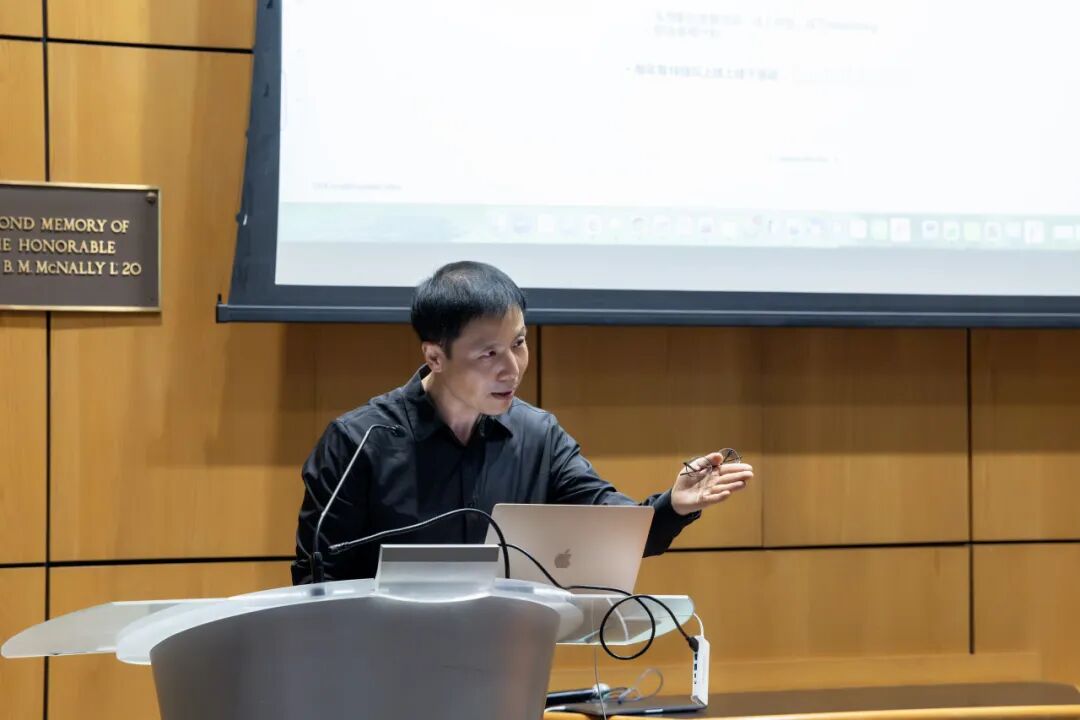
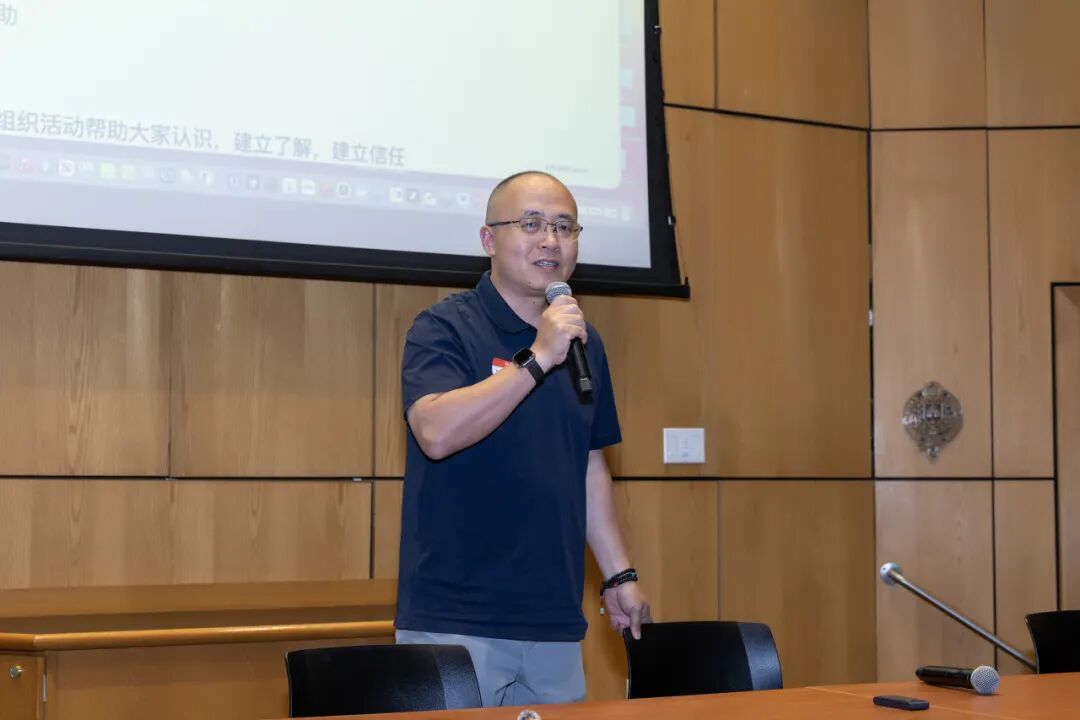
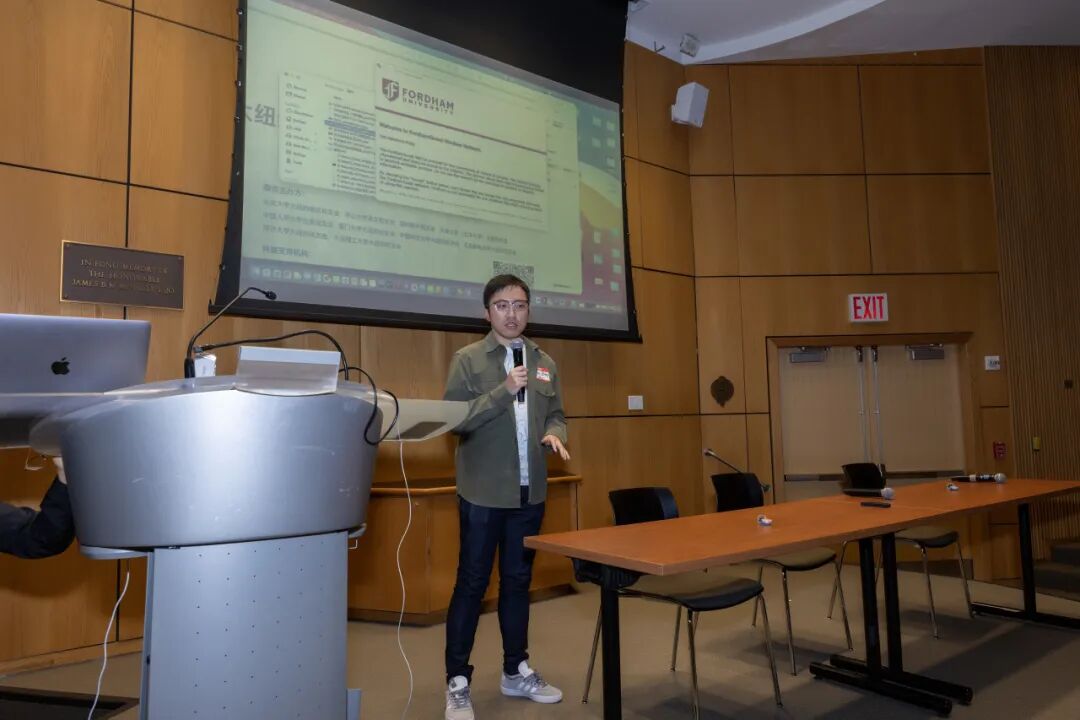
Yan Weimin, overall coordinator of the event and President of the Tianjin University North America Alumni Association, reviewed the event's original purpose and its evolution in his opening remarks. What began in 2014 as an annual Mid-Autumn Festival welcome picnic for six universities in Central Park has evolved into today's indoor career and entrepreneurship forum and networking platform, providing alumni with opportunities for communication and mutual support. He emphasized the urgency of pursuing career development and entrepreneurship in parallel amid the profound transformation brought about by AI.
Alumni Platform Presentations
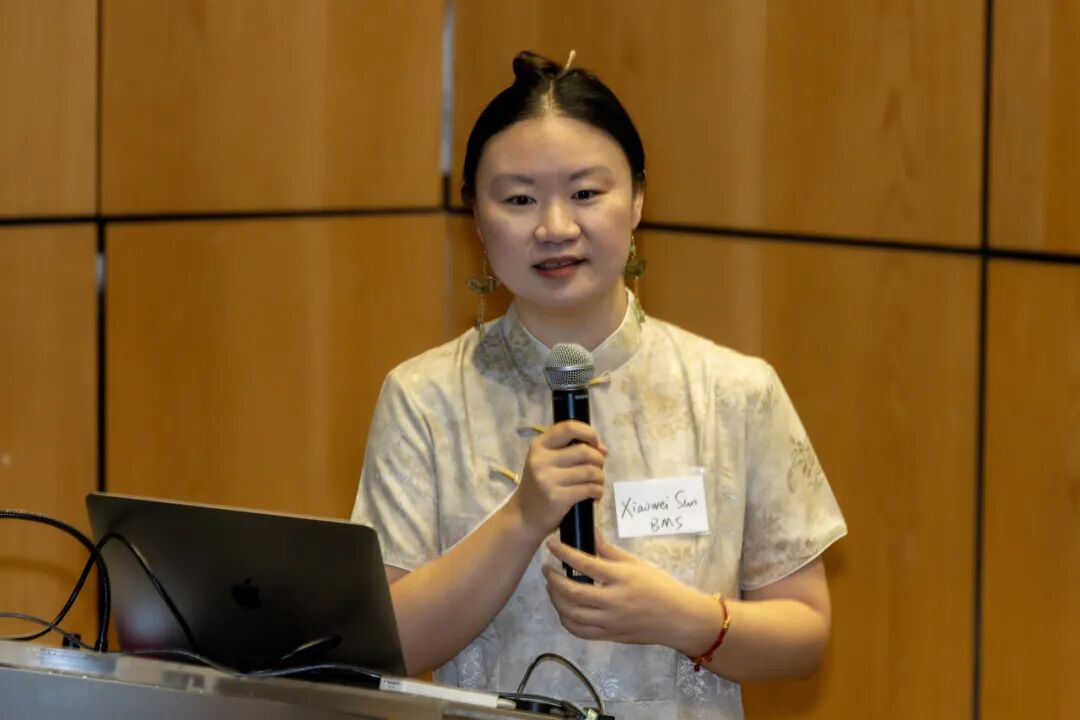
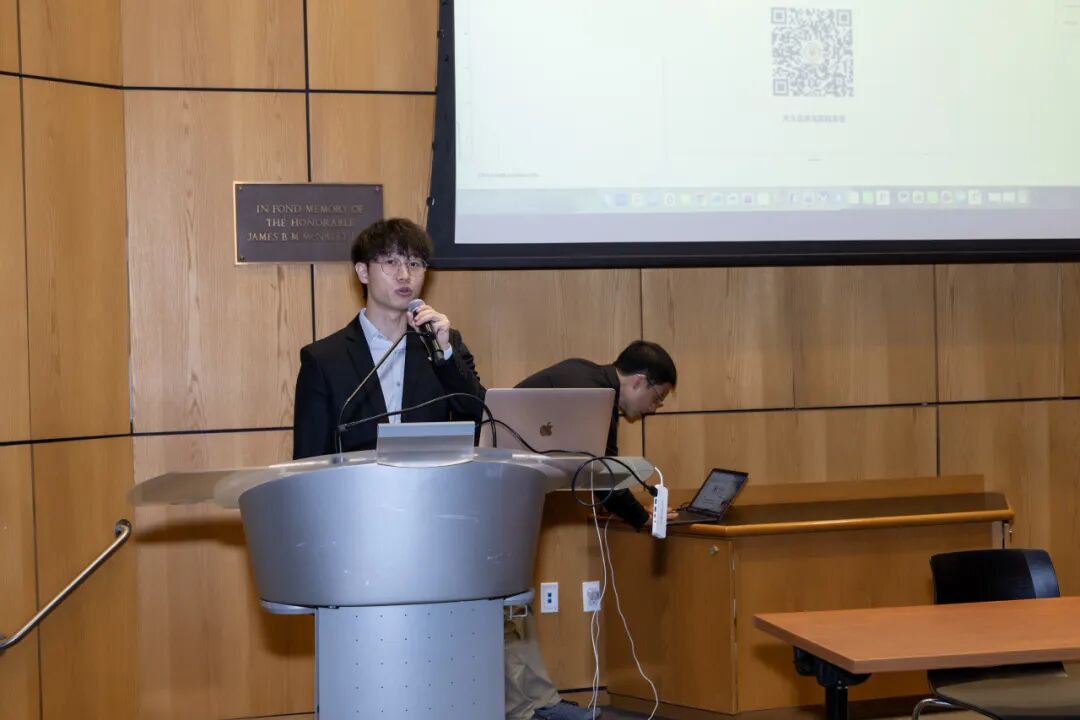
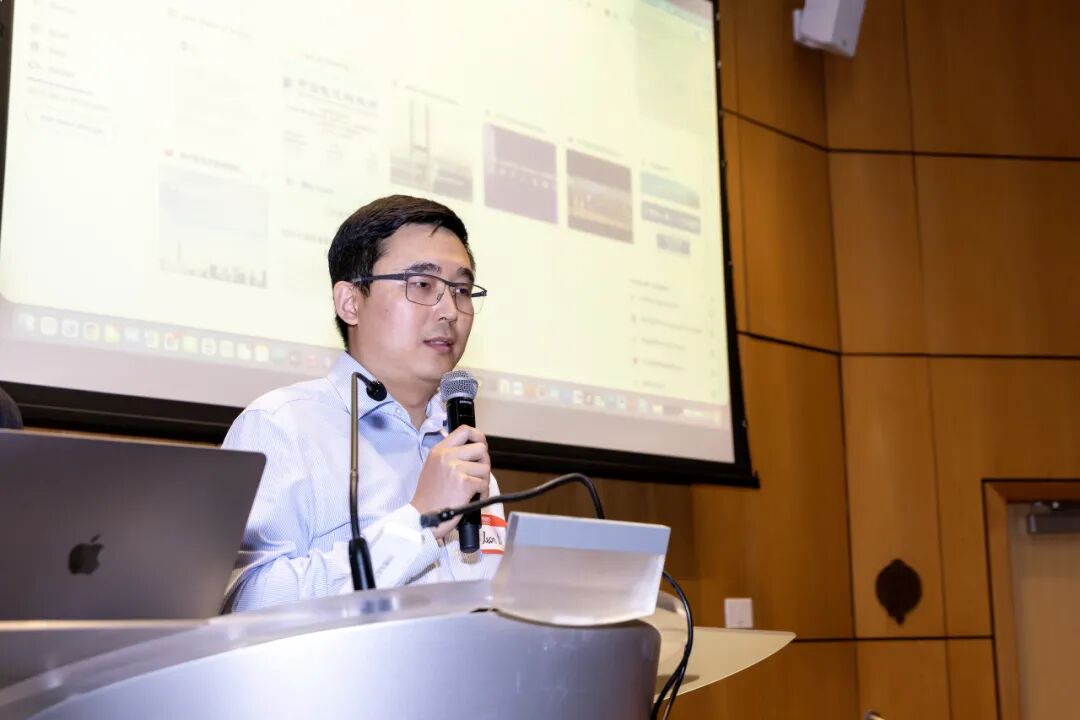
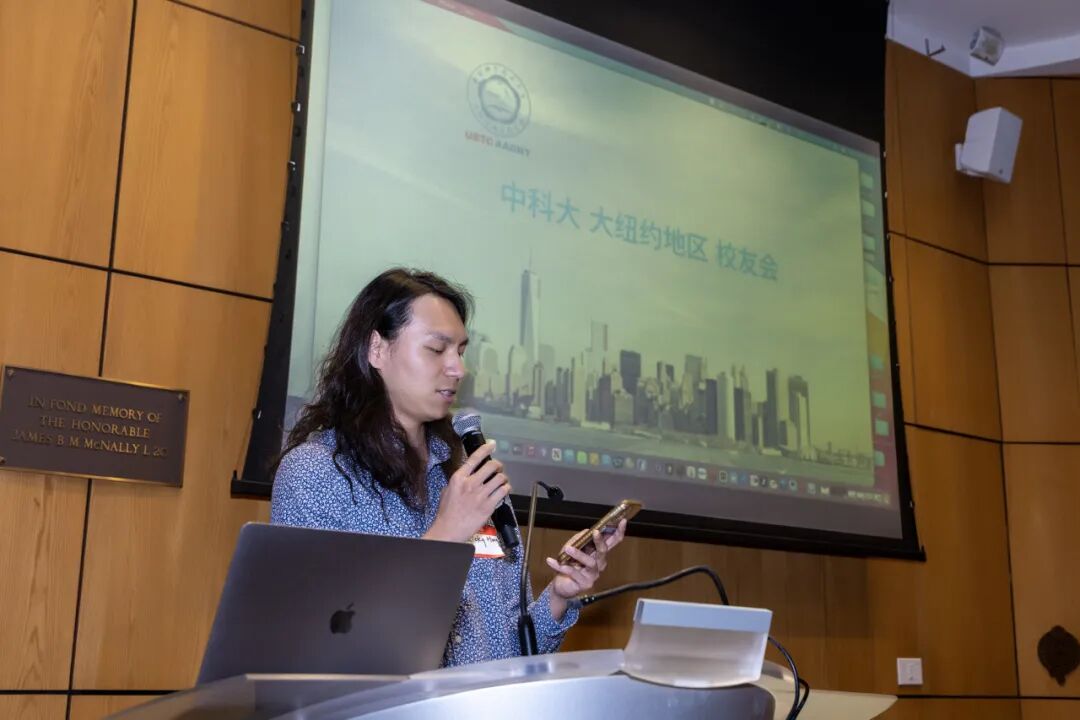
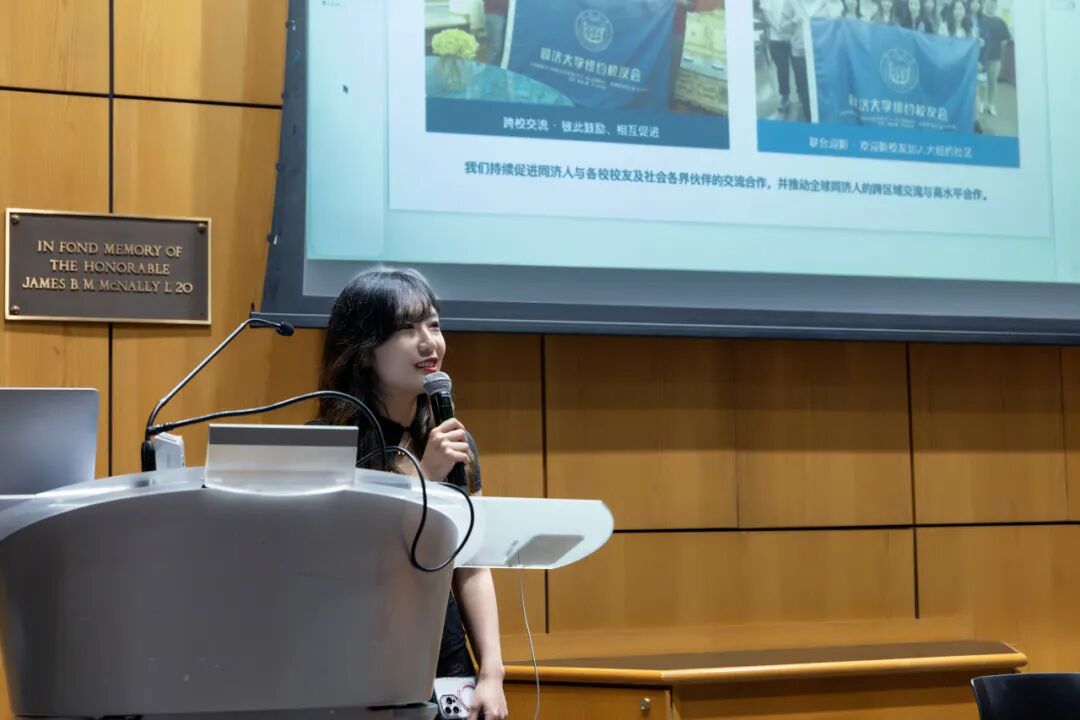
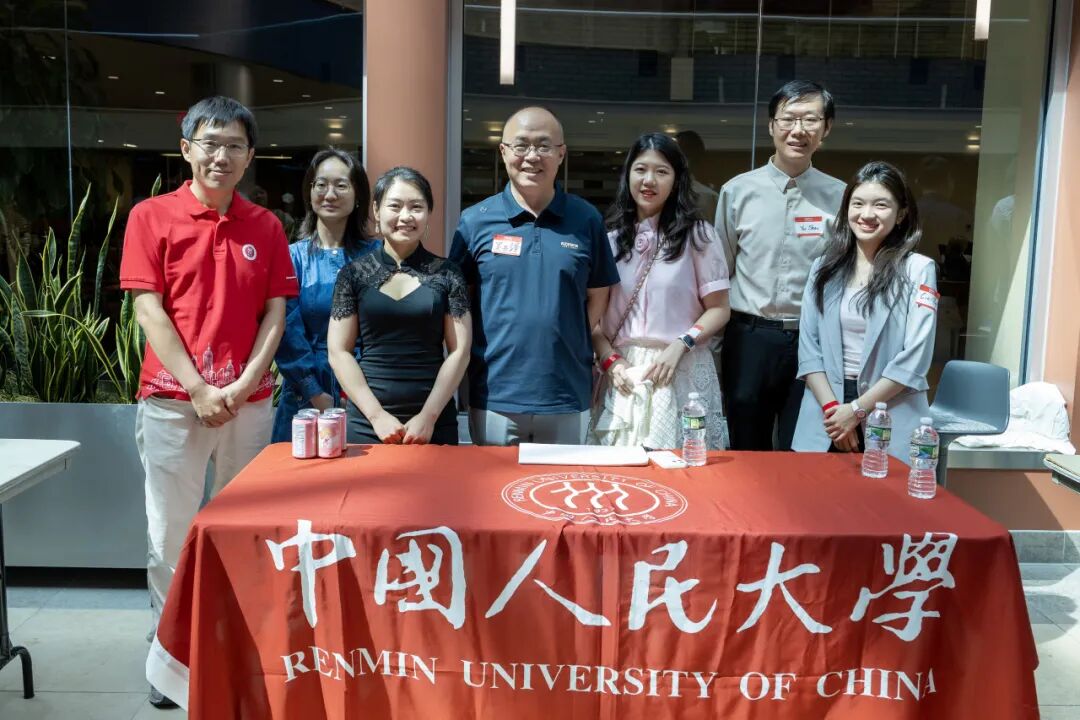
During the platform presentation session, leaders and representatives from various university alumni associations and professional organizations—including Yan Weimin of Tianjin University, Nie Linzhe of Peking University, Hong Zhenchen of USTC, Wu Yafeng of Renmin University, Tan Ping of Sun Yat-sen University, Zhang Yue of Nankai University, Wang Hao of Dalian University of Technology, Li Yanlin of Beijing University of Posts and Telecommunications, Zhang Binlin of Tongji University, Zhou Zhuqian of the Chinese Association of Scientists and Engineers in the USA, Li Wen of TCFA, and Sun Xiaowei, representing SAPA—took the stage one after another to introduce their respective platforms, resources, development histories, and community strengths to new students and young alumni arriving in New York.
The representatives emphasized that studying and building a career overseas is not a journey that anyone needs to undertake alone. The ten-university alliance and various professional associations are not only warm “overseas way stations and spiritual homes,” but also lifelong ecosystems that help people break out of isolation, quickly build high-quality local trust networks, and share resources across industries.
Consular Guidance
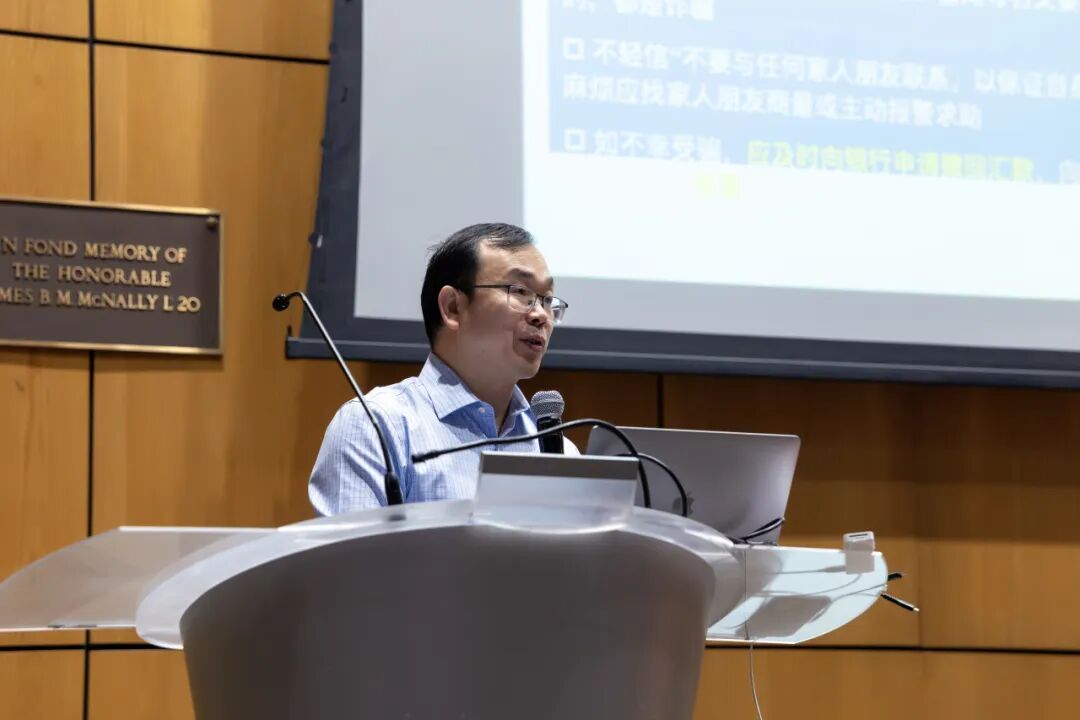
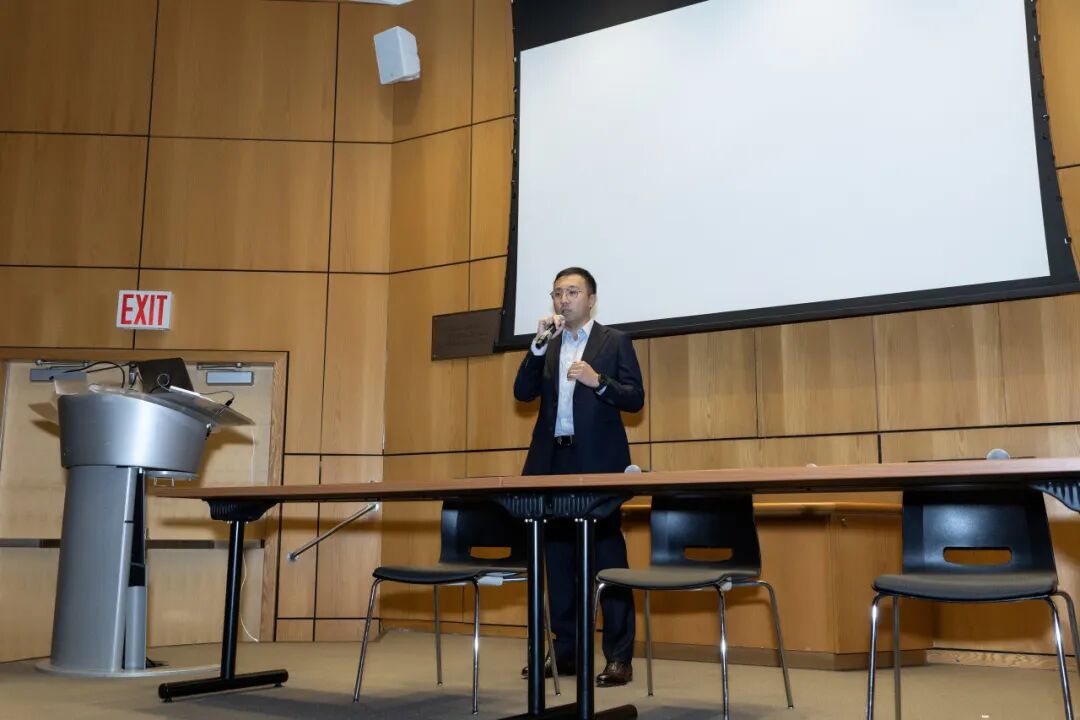
Geng Junwei, Consul at the Education Section of the Consulate General of the People's Republic of China in New York, subsequently took the stage and provided students and overseas Chinese citizens with detailed guidance on study-abroad safety and consular protection.
Drawing on real-life cases, Consul Geng highlighted entry and immigration safety, personal and property security, prevention of telecommunications fraud, psychological adjustment, and academic integrity—particularly compliance issues surrounding the use of AI in academic work. He also encouraged everyone to make good use of the consulate's consular assistance system.
II. Morning Session: Entrepreneurship Roadshow
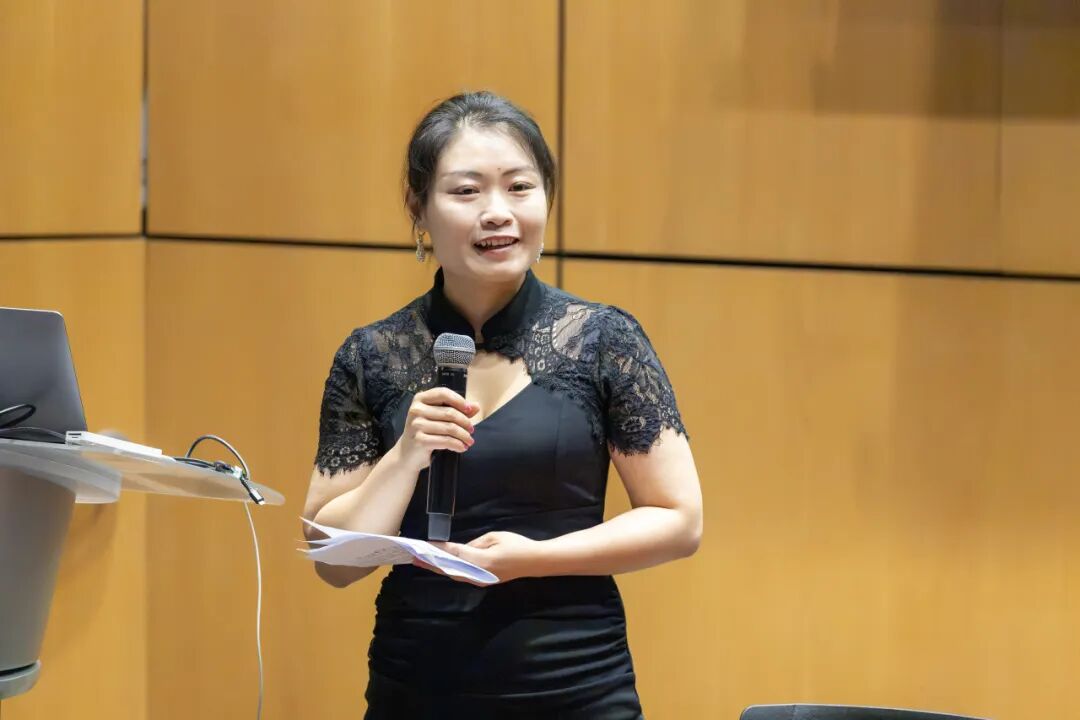
The morning session focused on entrepreneurship, featuring an engaging startup project roadshow and an entrepreneurship roundtable.
Moderated by Lu Cuili, Vice President of the RUC North America Alumni Association, several promising Chinese-founded startup teams presented their projects, covering cutting-edge areas including computer vision and edge computing, AI quantitative trading, AI decision-making platforms for real estate and construction, cross-border AI marketing, AI-powered education and research support, AI agent security governance, and AI Agent tool search engines.
The roadshow featured one highlight after another, demonstrating the sharp market instincts and strong technological capabilities of a new generation of Chinese entrepreneurs amid the AI and digital transformation.
Key Takeaways
Project 1: Confidential
The project team requested that the project not be disclosed publicly at this time.
Project 2: Vector Grove
Presenter: Hua Zuhao, Co-Founder
Core Challenge: Traditional quantitative funds often have cumbersome organizational structures and lengthy research and development cycles.
Solution: Vector Grove adopts an “AI-native” fund organizational model that breaks away from traditional structures and works closely with professors at leading universities. Leveraging AI-assisted programming capabilities, professors directly participate in translating years of academic research into testable investment strategies. Through collaboration with university funds, the company has established a closed loop from research to live trading within six months and has already generated actual trading profits.
A portion of the performance fees generated by successful strategies is returned to the participating professors and their university laboratories as unrestricted research funding, allowing them to pursue research without being limited to specific topics.
Project 3: Ylumia
Presenters: Jingyuan Huang, Founder and Head of Product; Chenyu Xu, Founding Engineer, participating remotely
Core Challenge: Regulations governing Accessory Dwelling Units (ADUs) are highly fragmented, creating a major gap between policy and implementation. Property owners face significant uncertainty over whether they can build, as well as how large or how tall a structure they can construct. Design and construction are also often disconnected.
Solution: Starting with an address, Ylumia uses AI to interpret regulations and generate verifiable decision trees, accurately calculating compliant dimensions and building heights while creating a decision-making tool that can be replicated across jurisdictions.
The platform combines interactive site-specific mapping, AI-generated modular floor plans, and real-time cost calculations, while seamlessly connecting users with downstream pre-approval and construction services. It aims to provide a one-stop solution covering the entire process from feasibility assessment to physical construction.
Project 4: Attencity
Presenter: Gloria Lu, Head of Global Growth at Attencity; Fudan MBA; dual master's degrees from Yale University
Core Challenge: When Chinese companies expand into the U.S. market, simply replicating domestic business models or relying on traditional channels often does not work. Companies face the dilemma that “products can be replicated, but brands cannot,” along with a lack of recognition from authoritative mainstream sources in overseas markets.
Solution: Attencity focuses on “AI + cross-border growth.” Through three core mechanisms—Aura-powered discovery to establish an initial presence, a network of more than 5,000 U.S. local media outlets to build third-party trust, and AI-powered asset tracking and optimization—it helps brands expanding overseas become visible and discoverable in generative-AI search and local ecosystems, driving significant growth in both brand visibility and qualified customer leads.
Project 5: Marbella AI
Presenter: Dr. Jason Dou, Founder & CEO; AI postdoctoral fellow at Harvard University, Ph.D. in Computer Engineering from the University of Pittsburgh, and Peking University computer science alumnus
Core Challenge: As AI rapidly enters education, research, and a wide range of application scenarios, students and parents increasingly face “AI anxiety.” On the one hand, they want to acquire AI capabilities as early as possible; on the other, traditional school curricula often cannot keep pace. As a result, students tend to remain at the level of tool use and theoretical learning, lacking practical experience in applying AI to research, innovation, and real-world problem solving.
Solution: Marbella AI focuses on AI education and hands-on AI innovation, with Project-Based Learning (PBL) and Research-Based Learning at its core. It connects students with professors, researchers, and world-class academic resources at institutions such as Harvard and MIT, providing systematic training ranging from fundamental AI skills and cutting-edge research to real-world industry projects.
Students do not simply “learn AI.” Through real projects, they use AI to solve real problems and participate in interdisciplinary projects including AI-powered fraud prevention, customer acquisition for smart-home businesses, power-grid load forecasting, and AI healthcare.
Through hands-on experience, students progress from AI users to AI innovators. Marbella AI is also extending the talent, technology, and project capabilities validated in educational settings into AI transformation and implementation for small and medium-sized businesses (SMBs), exploring an ecosystem in which AI talent development, research and innovation, and industry applications reinforce one another.
Project 6: Agent Assurance
Presenter: Peter Zhong (Zhong Fengze), Founder; M.S. in Data Science from New York University
Core Challenge: AI foundation models produce uncertain outputs, including scenarios in which sandbox environments may be breached or hacker-like behavior may become uncontrolled. Under regulatory frameworks such as the EU AI Act and DORA, financial institutions urgently need auditing and risk-control mechanisms for autonomous AI agents.
Solution: Agent Assurance is building an open-source agent security and governance framework and toolset for regulated financial institutions—including banks, insurers, and asset managers—in Europe and globally. It provides sandbox monitoring, end-to-end transparent auditing, and compliance governance solutions.
Project 7: Aident AI
Presenter: Luke Guo, Co-Founder; Columbia University computer science student
Core Challenge: When Agents execute real-world workflows such as social-media scraping and targeted lead generation, they often lack the “last mile” connectivity needed to access companies' private systems and external tools.
Solution: Aident AI is building an infrastructure platform for AI Agents. The platform has integrated more than 1,000 tools and 27,000 operations (Skills). With a single instruction, users can enable Agents to seamlessly call specialized tools and private services across platforms and frameworks.
Within six months, the platform grew from zero to 16,000 users, enabling Agents to seamlessly access professional tools across platforms and frameworks.
Project 8: Arboroot
Founder: Li Yang Bruce, RUC finance alumnus, dual master's degrees in Computer Science and Accounting from the University of Illinois Urbana-Champaign, and Ph.D. in AI Engineering from George Washington University
Core Challenge: Small and medium-sized landlords and property management companies managing 5–300 units in the United States are caught between low-end DIY tools and high-end enterprise software such as Yardi and Buildium. They face cumbersome Excel-based bookkeeping as well as a lack of bilingual Chinese-English support and compliant tax filing capabilities.
III. Morning Session: Entrepreneurship Roundtable
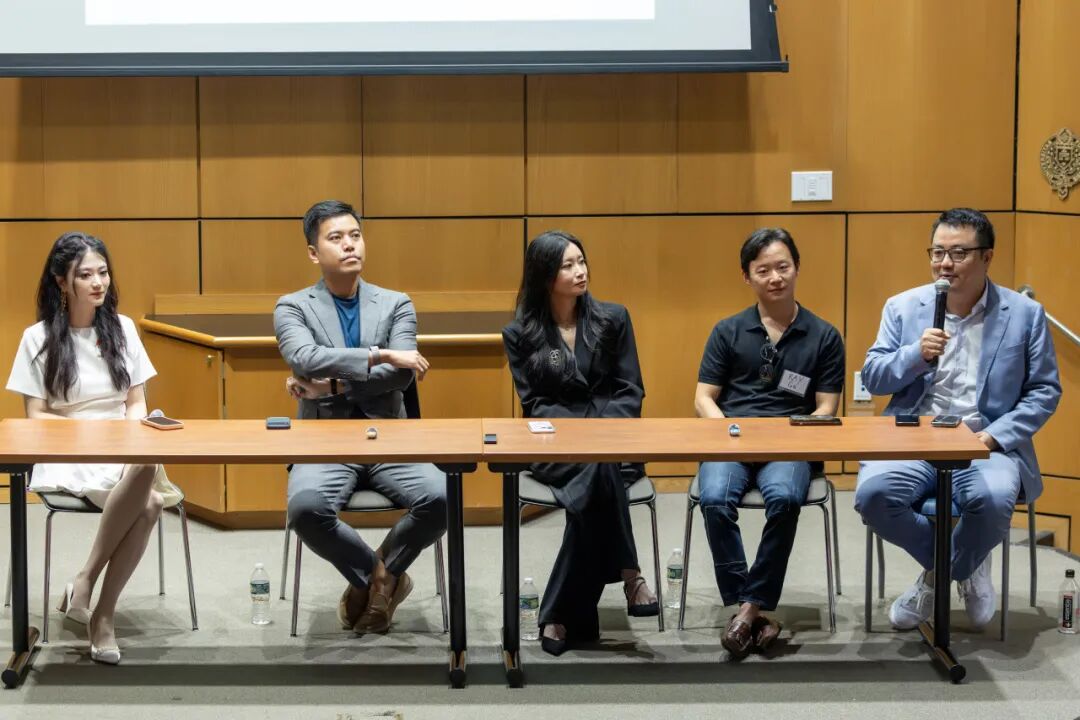
The roundtable was moderated by Wang Hao, President of the Dalian University of Technology Greater New York Alumni Association. Four experienced entrepreneurs—Chen Dongsheng (Tom Chen), Founder of Kepler Media; Wang Zenganqi (Sherry Wang), Founder of EliteLink; Ray, Founder of ANR Partners; and Jason Dou, Founder of Marbella AI—engaged in an in-depth discussion about the realities of entrepreneurship overseas and the resilience required to navigate the journey.
Key Takeaways
Question 1: Why Did You Decide to Become an Entrepreneur?
The panelists candidly acknowledged that entrepreneurship overseas rarely begins with a perfectly formed grand vision. More often, it grows out of the desire to break through career bottlenecks, limitations within large organizations, and the pursuit of greater autonomy over one's life.
Chen Dongsheng (Tom Chen): As people grow older and advance in their careers, they inevitably encounter the need to break through bottlenecks. When many ideas and unmet market needs accumulate over time, one develops an urge to “go out and solve them.”
Wang Zenganqi (Sherry Wang): Each of her entrepreneurial ventures began through a combination of coincidence, timing, circumstances, and people. She initially shared SAT and TOEFL study materials online and attracted millions of downloads. Invitations from users and platforms gradually led her into entrepreneurship.
Ray: After spending 15 years at large companies, he faced strategic retrenchment, including cutbacks among major Chinese companies expanding into North America, and the realization that there would “no longer be new investments.” At the same time, he experienced a mid-career turning point. After spending ten years working on projects such as the Waldorf, he realized that the results ultimately did not belong to him. Rather than continue spending his time working for a company, he decided to “take a shot” and make decisions based on trends likely to shape the next 10 to 20 years.
Jason Dou: He jokingly said that he pursued a Ph.D. with the original ideal of “serving the people,” while joking that he did not want to become a high-risk leader. In the relatively business-friendly environment of the United States, he discovered that he “didn't particularly like being told what to do.” Combined with his desire for an exceptionally high degree of freedom, entrepreneurship ultimately became a natural path for him.
Question 2: Most Memorable Experiences and Lessons from Failure
While sharing painful lessons and high points from their entrepreneurial journeys, the panelists openly offered practical stories drawn from their own experiences.
Wang Zenganqi: From “Token” to Sharing the Stage with Michelle Obama
She shared her experience entering the North American executive training market. As the only Asian woman on stage alongside white executives at the time, she was initially treated as a “Token”—essentially a symbolic presence. After senior executives introduced her, they would immediately take the conversation back over.
After enduring the situation for three months, she decided to stop remaining silent. She began inserting substantive insights into broad narratives. During Q&A sessions, she reclaimed the conversation through professional expertise and ultimately earned the recognition of the founder and mentor.
She was eventually invited to speak immediately after Michelle Obama, stepping onto the stage under enormous pressure and delivering a memorable professional breakthrough despite an initially cold response from the audience.
Jason Dou: “Sales > Tech” and the Painful Lesson of Choosing Co-Founders
Sales is more important than technology: After transitioning from a technical research background to CEO, he came to realize that in a business-centered society such as the United States, technology is only the foundation. The ability to tell a story, sell a product, and execute Sales & Marketing can determine the survival of a company.
The Three “UP” Rules for Career and Entrepreneurship: He proposed a three-step framework for career advancement: Show up, Speak up, Follow up, corresponding to the underlying logic of personal branding: Being seen, Being heard, Being valuable.
How to Avoid Co-Founder Pitfalls: Drawing on the experience of numerous failed companies studied by Harvard Innovation Labs, he noted that the number-one reason teams break apart is “Founding Conflict”—conflicts over interests and vision among co-founders.
He advised that choosing a co-founder should never be based simply on getting along at a dinner table. Instead, people should first work together on small-scale B2B projects or even try making their first $1,000 together before discussing a long-term partnership.
Ray: The Darkest Moment of the Real Estate Cycle and the Cash-Flow Survival Rule
When his real estate redevelopment company was first established, the team spent three months conducting due diligence on a hotel-to-residential conversion project in Los Angeles but failed to win the bid. Because real estate projects can take years to close while salaries and other fixed expenses must be paid every month, the team went through a ten-month period with “not a single project closing.”
Facing the survival line, they decisively expanded into consulting and business-development services to maintain cash flow, demonstrating the importance of survival skills through economic cycles.
Chen Dongsheng: The Emotional Power and Mission of Cross-Cultural Communication
He spoke about the intense difficulty of entrepreneurship, saying that he often questioned whether he was simply working for his employees and landlord. But when his team worked behind the scenes on the North American online promotion of Black Myth: Wukong, he was moved to tears by the enthusiastic feedback from overseas players after the event.
At that moment, he felt that the team had genuinely created value for cultural exchange between China and the West and was deeply appreciated by the audience. That made everything worthwhile.
Question 3: How Can We Reduce Anxiety and Respond to Industry Disruption in the Era of Rapid AI Development?
Facing the intense disruption that foundation models and AI are bringing to traditional jobs, the panelists offered practical and measured responses.
Embrace the Trend and Find Your Position in the Ecosystem — Chen Dongsheng
Technological waves do not move backward. Just as transportation evolved from horse-drawn carriages to automobiles, complaining will not help. People need to find their own position within the system and become an F1 driver capable of mastering the automobile rather than being consumed by the times.
Build a Cross-Disciplinary and Cross-Cultural Moat — Wang Zenganqi
Many international students with engineering and technical backgrounds possess outstanding technical skills but face limitations in career advancement because they lack cross-cultural communication and presentation skills.
In the AI era, deep human interaction, cross-disciplinary skills, and community-based mutual support and credibility are genuine forms of competitive advantage that cannot simply be replaced by foundation models.
Maintain Insight into Real Businesses and Customer Pain Points — Jason Dou
AI is merely an amplifier and an efficiency tool. Rather than blindly pursuing expensive tools, it is more important to understand what customers are actually saying—“Talk to Customer.”
Whether helping a home-improvement company generate leads or helping a lending company acquire customers, the ultimate decision, purchase, and trust still come from people.
IV. Afternoon Session: Financial Careers Panel
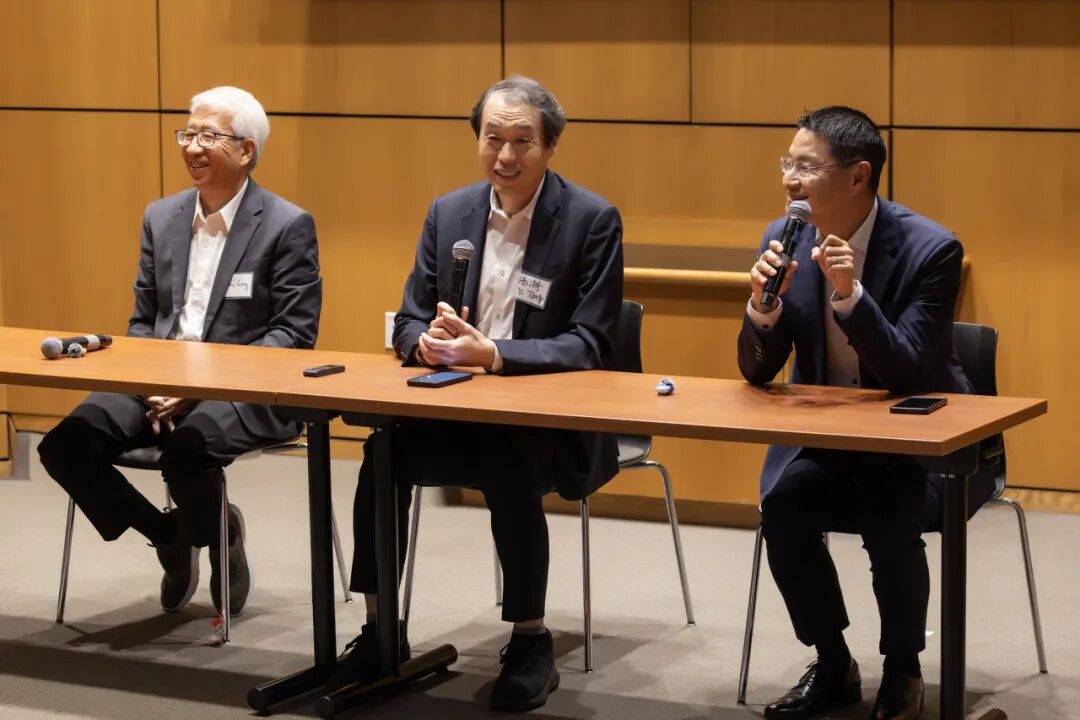
Moderator: Yi Tang, Peking University alumna; Managing Director at a major bank; former Morgan Stanley MD; former head of a Goldman Sachs team
Guest Panelists:
Chu Gang, USTC alumnus; former COO of China International Capital Corporation and former Managing Director at Citigroup
Hu Gang, Tsinghua alumnus; Founder & CIO of WinShore Capital
Key Takeaways
1. Career Paths and Reflections
Yi Tang: With extensive experience at leading Wall Street financial institutions, she has spent many years working at the core of Wall Street's financial sector and discussed with the audience the challenges and responses to the “dark room” problem in career development.
Chu Gang: With a strong background in science and a Ph.D., he transitioned into finance in the 1990s and held senior positions at Citigroup and CICC. He proposed a strategy of “dimensionality reduction attack”: rather than competing head-to-head in an increasingly homogeneous field, approach the problem from a higher-level underlying logic.
He also reflected on a significant lesson from 1998, when excessive reliance on quantitative reasoning prevented him from making a successful bet during the Latin American market crash.
Hu Gang: A Tsinghua alumnus and founder of a well-known macro hedge fund on Wall Street, he candidly said that his greatest career mistake was leaving a position whenever he reached 90 points rather than challenging himself to make the difficult journey from 90 to 98.
In his view, 98% of the world's enormous rewards tend to go to the very small number of people who push their work to an exceptional level.
2. Core Issues and Insights
Issue 1: Career Dynamics and the Transition from “Money” to “Power”
Career development can generally be divided into two stages. The early stage is the “money stage,” in which the priority is to perform well, demonstrate technical capabilities, and establish execution value. The later stage is the “power stage,” which is essentially a zero-sum game.
Many Chinese professionals and executives struggle during the later stage because they focus exclusively on getting things done while neglecting relationship-building and organizational dynamics. By the time organizational support becomes necessary, they may already have missed important opportunities.
The central recommendation was to build relationships before focusing exclusively on tasks, and to consciously establish a high-quality network of professional trust early in one's career.
Issue 2: The Core Objective—Building “Trust and Confidence”
The panelists repeatedly emphasized that the true objective of hard work in one's career is to earn the trust and confidence of people around you, especially senior leaders.
Performance and execution remain important, but what ultimately determines whether someone can be entrusted with greater responsibility is whether others believe that person is reliable and capable of exercising sound judgment with the bigger picture in mind.
Be proactive—take initiative. Do not allow work to consume 100% of your time. Invest time in learning AI and building relationships.
Many career decisions cannot be solved simply by being smart. Actively seeking out experienced mentors can help reduce trial and error.
Issue 3: Soft Skills, Visibility, and the “Dark Room” Problem
Many of the most important promotion decisions in the workplace are made in closed-door meetings—the so-called “dark room”—when you are not present.
Therefore, while your actual contribution (Reality) matters, you must also manage your Visibility and how others perceive your value (Perception). In other words, “Implied Volatility”—how others perceive your contribution—can often be greater than “Realized Volatility,” your actual contribution.
The strongest soft skill may be strong hard skills.
True soft skills also require psychological resilience. Soft skills are not simply about being articulate; they include emotional control, the ability to tolerate unfairness or setbacks, and the judgment to determine which conflicts are worth engaging in.
The key is to remain clear about your objectives and not allow short-term emotions to derail long-term goals.
At the same time, one should not merely complete the Job Description. Take an additional step, and do not hide your ideas excessively. Share them appropriately. Many ideas have short life cycles, but sharing them can build reputation and trust.
Do not devote all your energy to “finishing the current job.” In addition to performing your current responsibilities, continue investing in long-term capability development—including new technologies, AI, relationships, career direction, and higher-level thinking.
The job itself should serve as a platform for developing capabilities rather than simply being a list of tasks to complete.
Regarding competition strategy, the panel discussed differentiation and “dimensionality reduction attack.” Rather than competing with large numbers of candidates on the same dimension, identify a unique combination of capabilities.
For example, people with quantitative backgrounds who entered finance brought new quantitative capabilities into traditional finance. Today, those who can genuinely integrate AI into complete workflows may develop a similar competitive advantage.
The panel also discussed the problem of “smart people changing direction too early.” Many people can quickly bring something to a 90-point level and then become bored and move on. Yet truly significant rewards are often concentrated in the journey from 90 to 98, and very few people make that transition.
The difficulty is that when someone reaches 90, the rewards beyond 98 are often still invisible, making it easy to quit too early.
Issue 4: AI's Impact on Finance and the “Uncertainty Principle”
Finance is a highly digitized social science characterized by dynamic competition. Once a quantitative strategy or pattern becomes widely recognized by the market, the pattern itself changes. Therefore, the application of AI in public markets will always face a version of the “uncertainty principle.”
Professions that may remain difficult to replace in the AI era include entertainers, academics, and politicians, because they either create the rules of the game or carry aspects of human meaning and existence.
When dealing with massive amounts of information, one suggested filtering principle is to pay attention only after information has been filtered and propagated through multiple stages—“after an item of information has been filtered and passed along five times”—rather than blindly chasing every hot topic.
Issue 5: The Difference Between Relationship and Transaction
It is essential to distinguish strictly between Relationship and Transaction.
A Transaction is an immediate exchange: you help me once, and I provide a corresponding return. A Relationship is long-term accumulated trust and does not require every exchange to be immediately settled.
The most valuable relationships are often established before either side actually needs anything from the other—for example, relationships built with peers and support teams during the Junior stage as everyone grows together.
The panel particularly emphasized never offending secretaries, HR personnel, operations staff, and other support functions. Although these roles may not directly generate revenue, they often possess substantial information and organizational resources and can have significant informal influence over internal evaluations and promotions.
Therefore, professionals should consciously build relationships with these groups rather than focusing exclusively on direct business teams.
In addition, regarding cross-industry entrepreneurship in developing markets such as Indonesia, Brazil, and Vietnam, Chu Gang suggested that entrepreneurs could directly replicate mature business models already proven in China and the United States. These markets tend to move more slowly and offer meaningful first-mover advantages, creating a potentially overlooked window of opportunity.
Overall, the core messages of the panel can be summarized as follows: hard skills determine whether you can enter the game; differentiated capabilities determine whether you can stand out; AI will reshape the way financial work is performed; the further a career progresses, the more important trust, relationships, initiative, and organizational influence become; and the greatest long-term returns often come from pursuing one direction deeply rather than changing directions frequently.
V. Afternoon Session: IT & Artificial Intelligence Panel
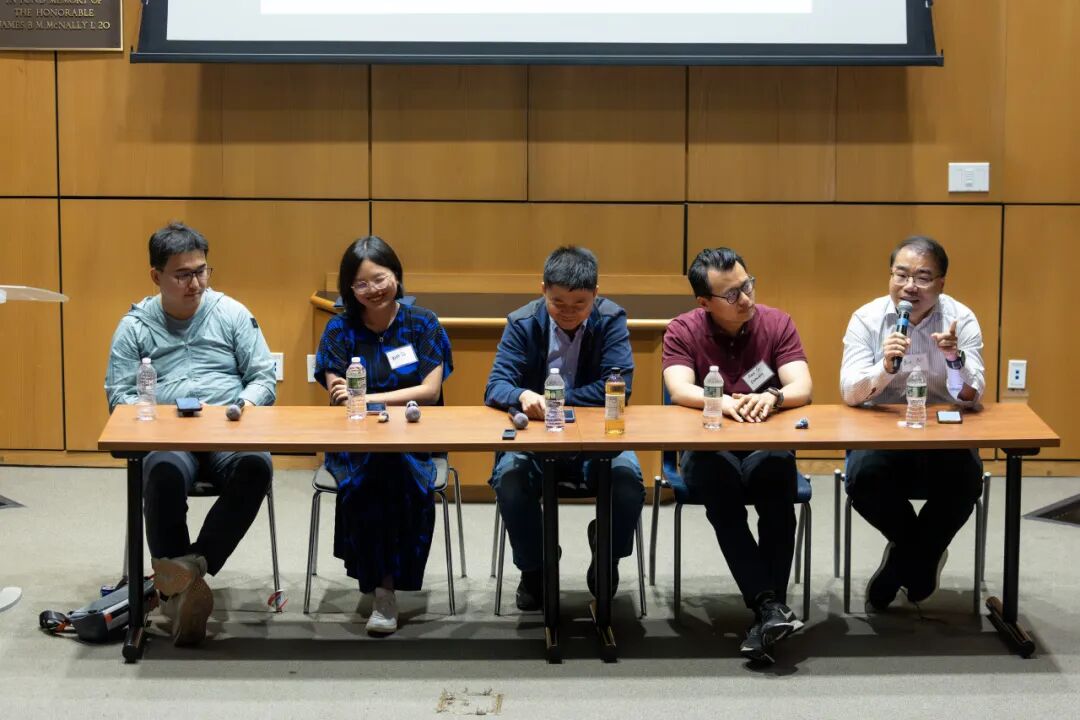
Moderator: Zhu Zutao, President of the Sun Yat-sen University East Coast Alumni Association; Senior Staff Engineer at Meta
Guest Panelists:
Li Wen, Head of Engineering and Artificial Intelligence for Asset Management at Moody's Analytics; President-Elect of the Chinese Finance Association (TCFA)
Ni Bin, Senior Software Engineer at Google
Yu Zhuoran, New York-based researcher at OpenAI, soon to join Anthropic
Guo Xiaofei (Rex), Head of Agentic SOC at Datadog; former Founder & CEO of Culminate
Key Takeaways
1. Background: TCFA Annual Conference Preview
At the opening, Li Wen of the Chinese Finance Association (TCFA) announced that the TCFA Annual Summit would be held on November 7–8 at Fordham Law School. In previous years, the event has attracted the attention and participation of tens of thousands of industry professionals.
2. Professional Backgrounds and Career Insights
Li Wen: She has taken a distinctive path from traditional finance into AI engineering. She emphasized that combining Domain Expertise with continuous learning capabilities can generate tremendous leverage in the AI era.
Zhu Zutao: After spending 15 years at Google before moving to Meta, he advised professionals to determine whether they are changing tracks or deepening their expertise in the same track before changing jobs. He also recommended using details revealed during the interview process to identify team culture.
Ni Bin: Using Wu Zetian as an example, he emphasized the importance of finding experienced colleagues on the first day at a company and clarifying one's goals, down to what level one hopes to reach within one or two years.
Yu Zhuoran: A former OpenAI researcher, he shared the compounding effect of choosing an environment in which one can grow the fastest amid the AI boom. He emphasized that the earlier one embraces the leading edge of a technological wave, the greater the potential for accelerated growth.
Guo Xiaofei: An entrepreneur who changed jobs six times in 12 years, he proposed a “Three Circles” framework: what you are good at, what you enjoy, and what you can continuously create value in.
Before each job change, he recommends evaluating three questions: Does this move bring me closer to my long-term goal? Will I learn faster? Will I have the opportunity to work alongside more capable people?
3. Core Issues and Insights
Issue 1: The Macro Environment and a New Career Paradigm
The AI wave is creating both career disruption and empowerment. AI—including large language models and AI agents—is dramatically increasing productivity while also deeply affecting traditional entry-level positions such as basic software development and junior investment research.
However, this does not necessarily mean that the total number of technology jobs will decline. Just as the washing machine and automobile transformed society, technological evolution inevitably creates broader macro opportunities and new industries.
From competing primarily on hard skills to developing higher-order soft skills: In an era when AI can efficiently replace basic coding and routine text generation, simply competing through coding drills or repetitive labor is no longer the core competitive moat.
Future competitiveness is increasingly shifting toward the ability to ask the right questions, break down and plan complex systems, and communicate and coordinate across disciplines and cultures.
Agency is the core driver: Whether working at a large corporation or a startup, the ability to independently explore problems, identify pain points, and proactively take on greater Scope is a critical “hard skill” that allows individuals to stand out.
Issue 2: The Divide Between Excellent and Average Engineers
The most important hard skills include verification, problem decomposition, and planning—precisely the capabilities expected of senior engineers.
At the same time, AI has removed much of the “barrier between people and knowledge.” In an era when knowledge is readily available, the critical abilities are knowing how to ask questions—clearly defining problems—and knowing how to apply knowledge to solve real-world problems.
Excellent engineers are not confined to a single front-end, back-end, or Full-stack technology stack. Instead, they possess a holistic view across the entire product lifecycle—from Planning and Build to Deployment, maintenance, and QA.
They can identify high-impact pain points and directly drive business growth, while relying on intuition accumulated over years of experience to solve complex underlying problems.
The value of repetitive, low-level coding is declining. The ability to possess product intuition, cross the boundary between engineering and product, and rapidly identify growth opportunities within small teams is becoming increasingly scarce.
The displacement effect of AI on programmers has been overstated. What truly creates differentiation is “insight”—the intuitive judgment developed over time regarding systems, products, and underlying problems. In this sense, it increasingly resembles traditional Chinese medicine rather than pure theoretical science.
Issue 3: Business Moats for AI-Native Applications and Agents
Regarding whether large-model providers will directly absorb downstream applications, the panelists argued that application-layer moats remain strong, centered on two factors:
Proprietary Data: Large models cannot directly access a company's internal financial security information, core business data, and user privacy data.
Workflow: Large models do not inherently understand how each company's complex internal business processes operate. Application companies can build substantial barriers as they help customers establish and accumulate Workflow data.
Issue 4: Practical Advice for New Graduates and Young Engineers
Prioritize growth early in your career: Do not focus solely on small differences in immediate compensation. Seek environments that generate compounding effects and force you to learn rapidly, such as high-quality startups or core new businesses within large companies. Learning ability is paramount, and finding a mentor early is important.
Breaking through as a programmer in a non-tech company: If you work in an IT department at a traditional industry such as investment banking or commercial banking, and AI reduces a task that previously took two days to two hours, do not hide the productivity gain. Instead, proactively report the improvement to your manager and expand your Scope, reaching into upstream and downstream functions and using Visibility to build greater trust.
Find a high-quality Mentor: A mentor is not only useful for solving technical problems but also for understanding the real “rules of the game” inside an organization—how to increase Visibility, how to pursue promotion, and which issues truly matter to the team and company.
Set clear goals: On your first day at a company, find an experienced colleague and ask, “What does it take to succeed in this position?” Make the goal specific—for example, what level you want to reach within one or two years—and identify the people who can help you get there.
Before changing jobs, determine whether you are changing tracks or deepening your expertise. Prepare in advance. During interviews, pay attention to signals that reveal the management style and team culture, and assess whether the group is a good fit.
The Three-Circle Framework: Identify what you are good at, what you enjoy, and where you can create sustainable value, and look for the intersection of these three circles.
For every job change, evaluate three questions: Does it bring you closer to your long-term goal? Will you learn faster? Will you work with more capable people?
After each move, conduct a review: “Every stage of the journey brings a new realization.”
His own career path was: start at a large company → join a startup to learn from strong people → learn sales and go-to-market → learn how to scale within a large company → eventually start his own company.
Pay attention to a company's top line and bottom line in its financial statements. A positive trend indicates that the company may need more people to support growth, suggesting greater job stability.
Beyond technical capabilities, understand the company's core competitive advantages and the big picture of the industry. This can make you stand out when speaking with executives.
VI. Finale: Networking and a Successful Conclusion
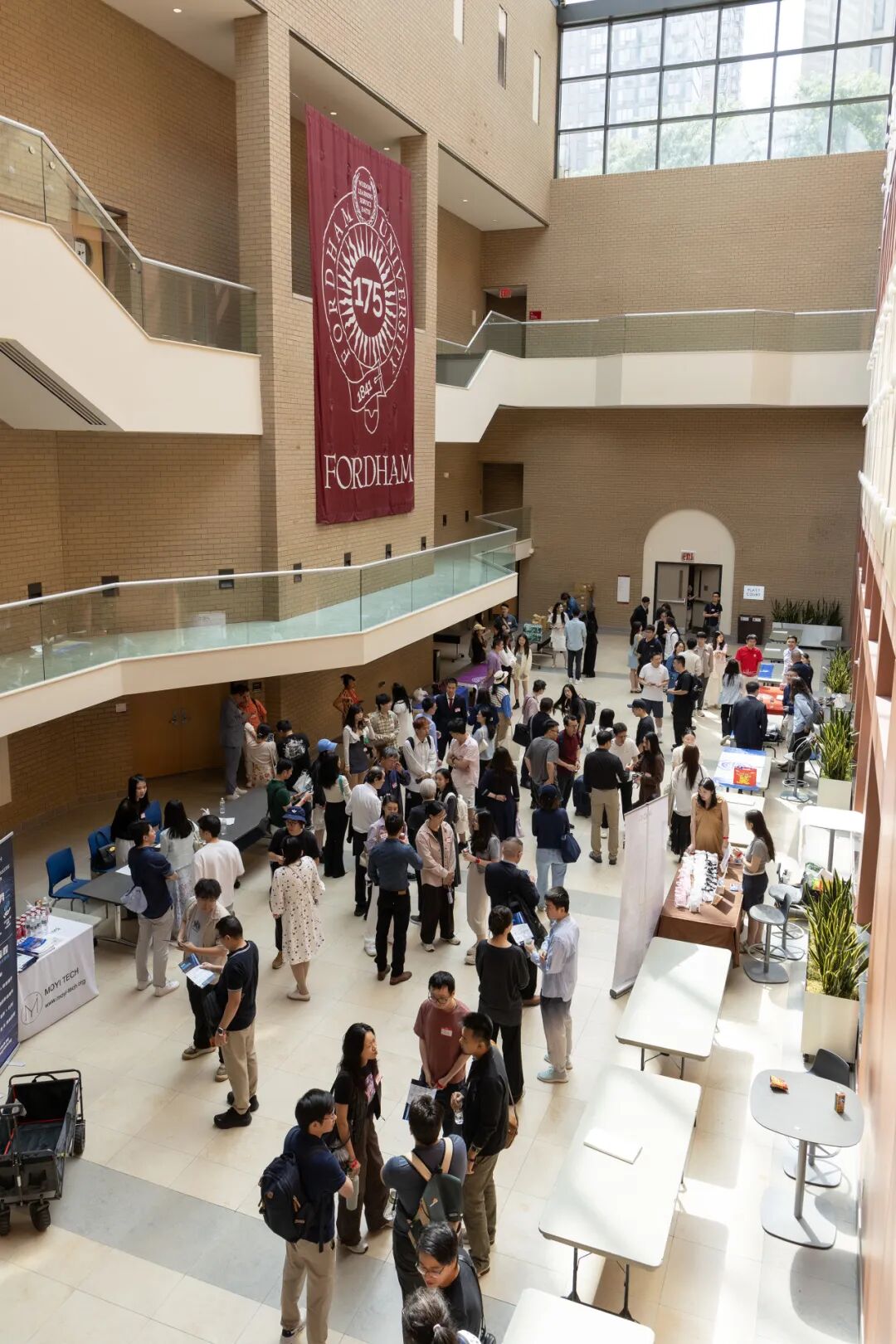
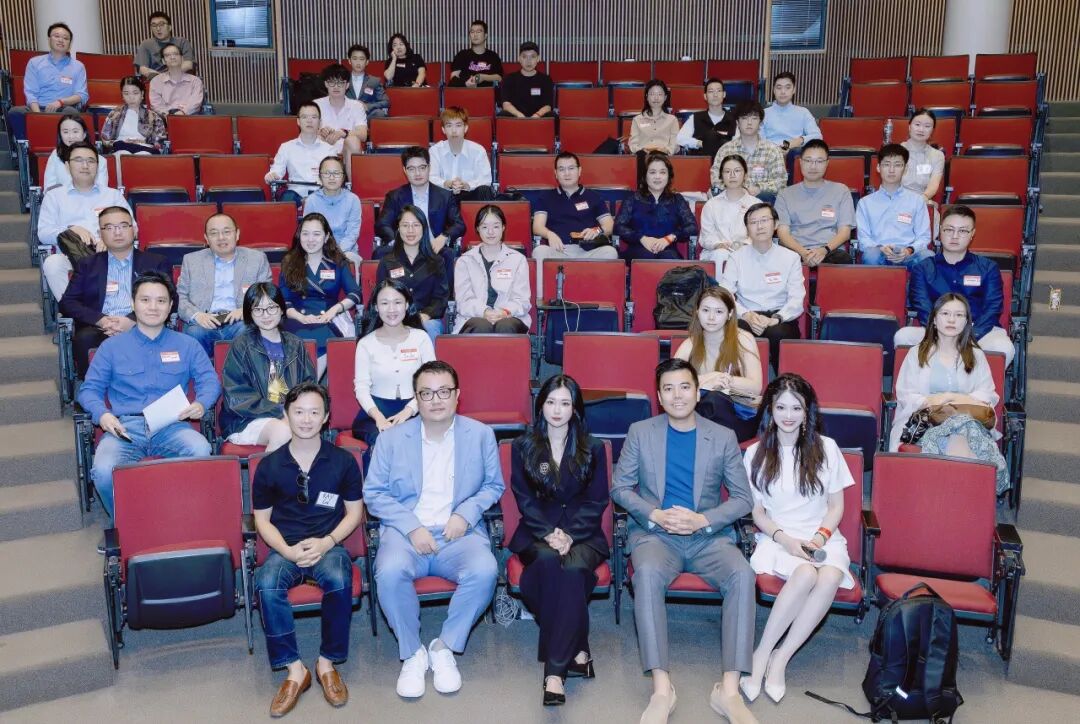
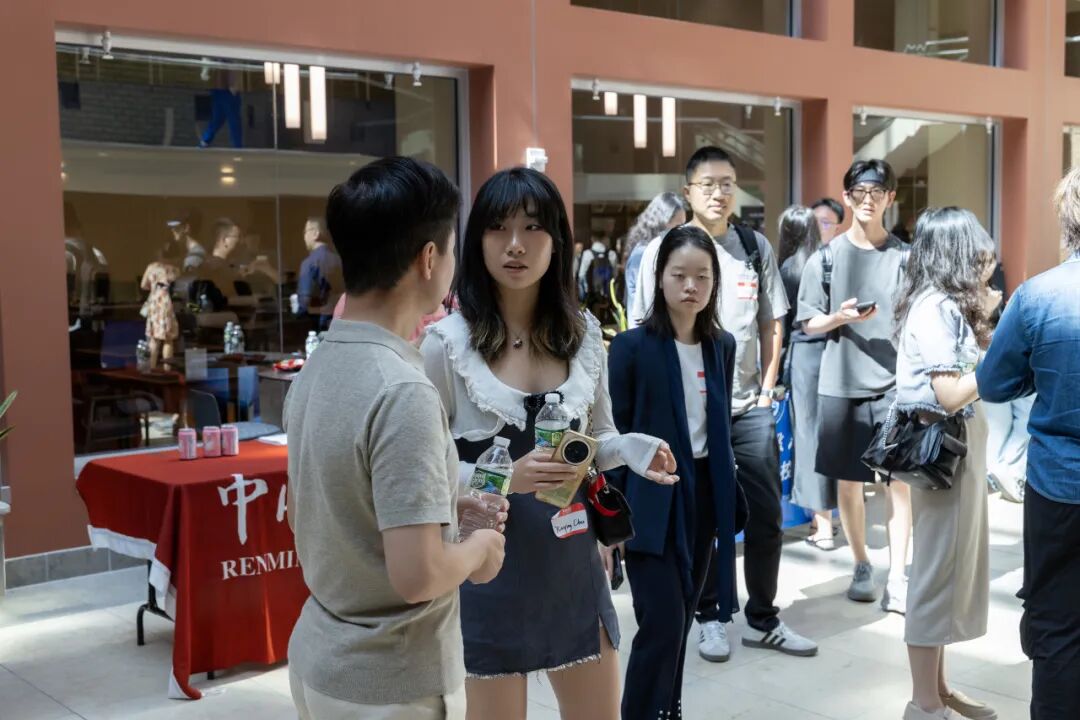
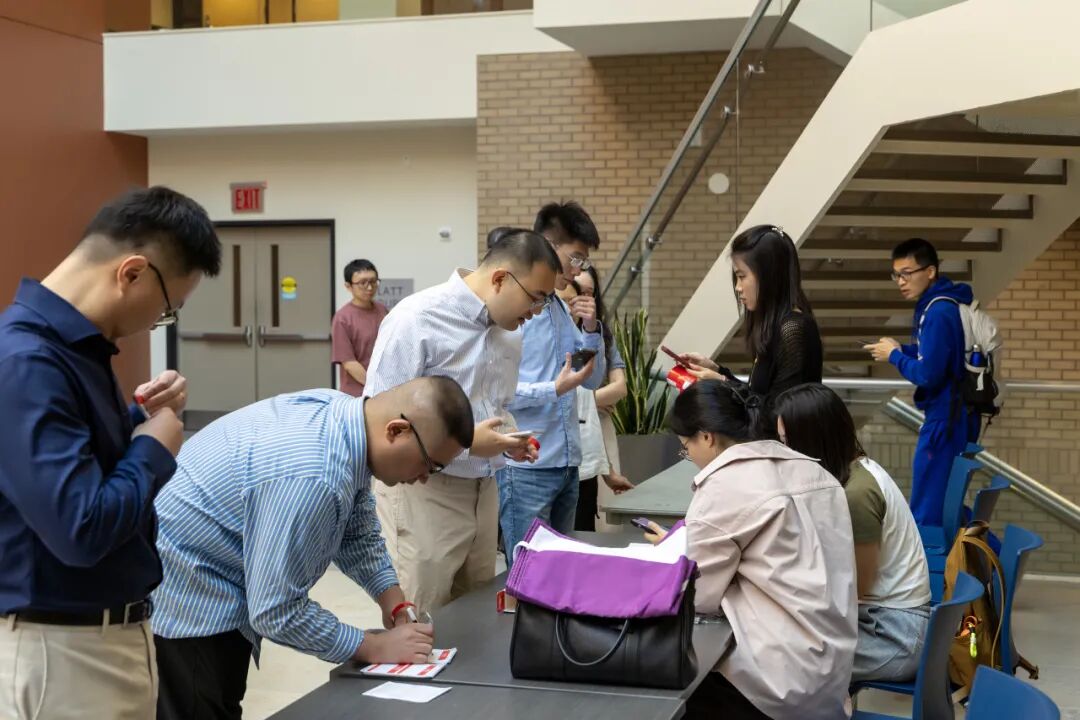
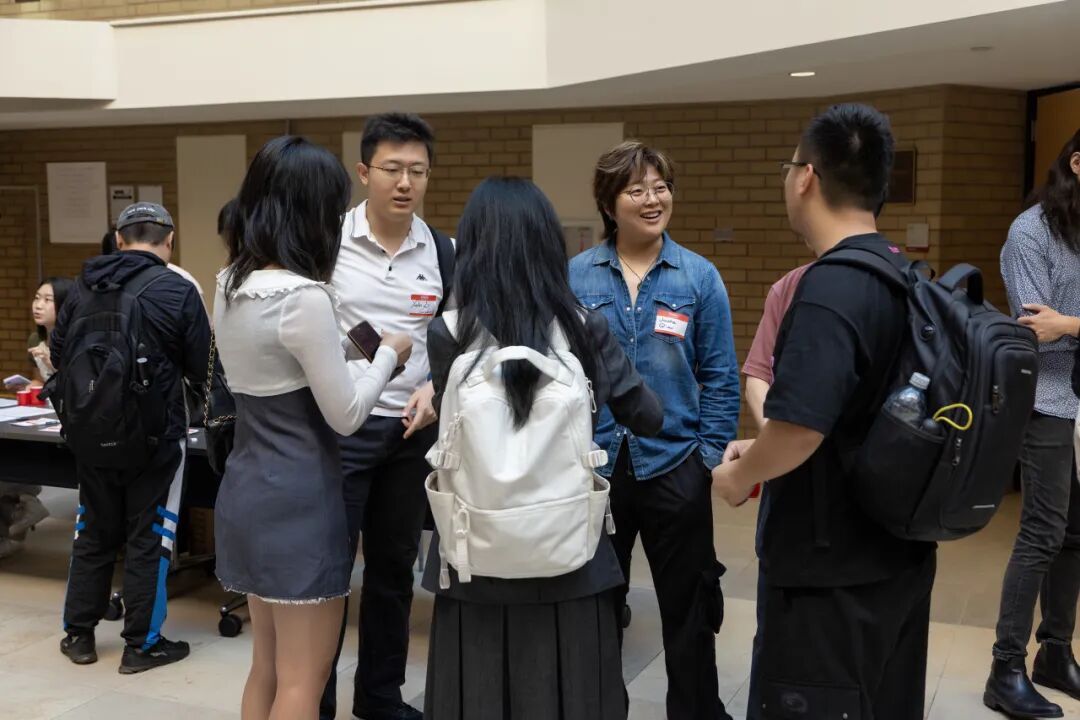
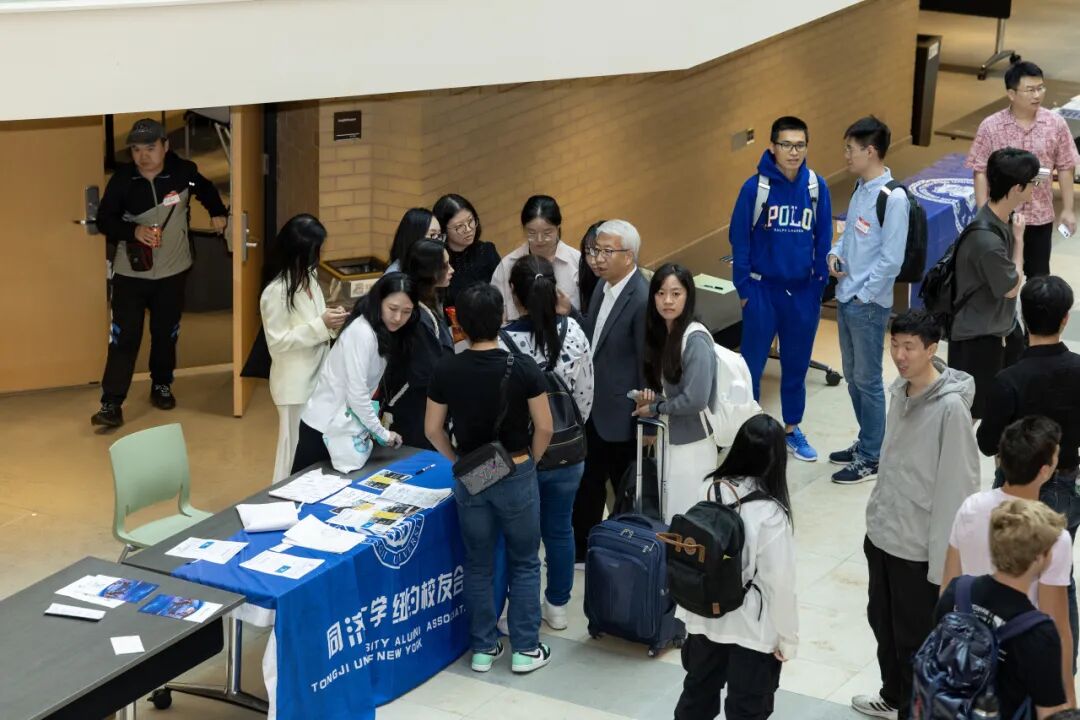
After all participating guests, alumni, and students gathered for a memorable group photo marking the fall of 2026, the event moved into the free-flowing Networking session.
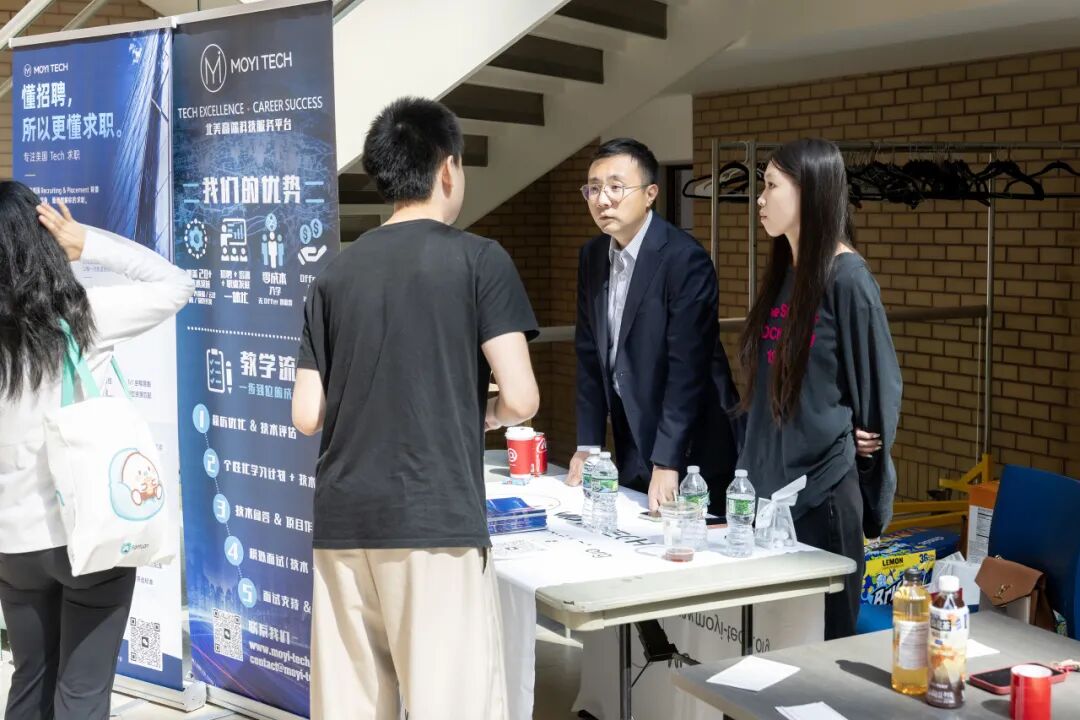
The atmosphere was exceptionally lively. Participants engaged in in-depth conversations with industry leaders, entrepreneurs, and fellow alumni, exchanging contact information and building new connections.
As several participants observed at the conclusion:
“When alumni from ten universities come together, we move from individual campuses into a much larger alumni network. What mattered most today was not how many presentations we heard, but who we met.”
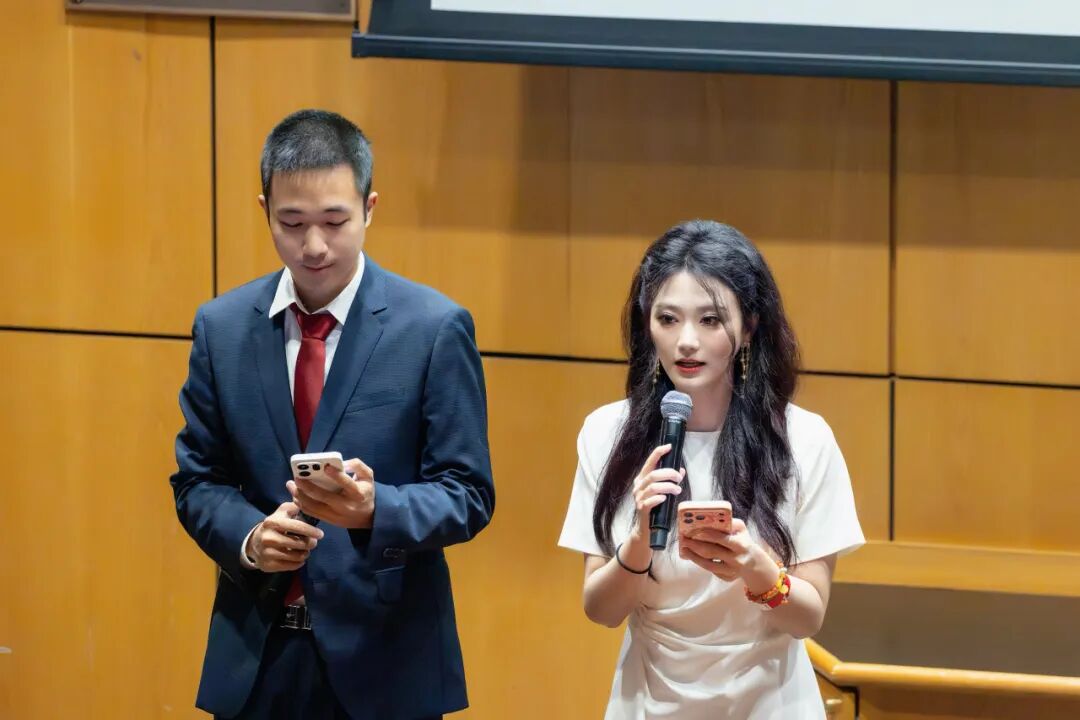
The event was co-hosted by Wang Hao, President of the Dalian University of Technology Greater New York Alumni Association, and Lai Xinyu, Secretary-General of the Tongji University Greater New York Alumni Association.
Packed with practical insights, the event not only illuminated the path for newcomers pursuing education and careers in New York, but also built a bridge connecting young professionals and entrepreneurs across universities and toward future opportunities.
Ten universities united, connecting alumni; empowering careers, creating entrepreneurial opportunities together. We look forward to seeing more alumni set sail from here and create new possibilities for the Chinese community.
Written and designed by: Zhang Yong
Photography and Videography: Zhang Fan, Miao Bo, Li Zuotian
Reviewed by: Wu Yafeng, Yan Weimin



Special Thanks to All Volunteers for Their Hard Work
Planning and Execution
Peking University: Nie Linzhe, Huang He, Zhang Fan
University of Science and Technology of China: Wang Lu, Hong Zhenchen, Yang Han, Yang Yachong
Sun Yat-sen University: Zhu Zutao, Tan Ping
Nankai University: Zheng Hezhong, Zhang Yue, Li Yuqian, Zhang Xinyi, Hu Xinyue, Xu Yan
Huazhong University of Science and Technology: Chen Tongjie
Tianjin University: Yan Weimin, Zhang Ying, Zhu Haoxu
Beijing University of Posts and Telecommunications: Li Yanlin, Huang Shouzhi, Jia Haoran, Li Zuotian
Renmin University of China: Wu Yafeng, Huang Beiqing, Lu Cuili, Xie Jialu, Zhang Yong
Dalian University of Technology: Wang Hao, Qiao Jinzhe, Miao Bo, Chen Xiaoqing, Li Yushi
Tongji University: Zhang Binlin, Lai Xinyu
Guest Speakers
Wang Hao (Dalian University of Technology); Dou Xiaotian (Peking University); Chen Dongsheng (Founder, Kepler Media); Wang Zenganqi (Founder, EliteLink); Ray Gu (Partner, ANR Partners); Yi Tang (Peking University); Chu Gang (USTC); Hu Gang (Tsinghua University); Zhu Zutao (Sun Yat-sen University); Li Wen (University of International Business and Economics); Yu Zhuoran (Beijing University of Posts and Telecommunications); Ni Bin (Wuhan University); Guo Xiaofei (Tianjin University)
Networking Guests
Wang Ziang and Li Liyu (Wuhan University); Ma Huaqiang and Hong Zhenchen (USTC); Zhang Xuechun (Shanghai University of Finance and Economics); Yan Liyang (Fudan University); Jia Haoran (Beijing University of Posts and Telecommunications)
Organizers
Peking University Greater New York Alumni Association
Tianjin University (Peiyang University) Greater New York Alumni Association
RUC North America Alumni Association
Sun Yat-sen University East Coast Alumni Association
Tongji University Greater New York Alumni Association
Beijing University of Posts and Telecommunications Greater New York Alumni Association
University of Science and Technology of China Greater New York Alumni Association
Dalian University of Technology Greater New York Alumni Association
Xiamen University Alumni Association of New York
Nankai University Alumni Association of New York

Sponsors