Insights and Decision-Making in an Era of Global Paradigm Shifts | Mingde Forum 2024 Successfully Held in New York
Nov 18, 2024 · 2 views
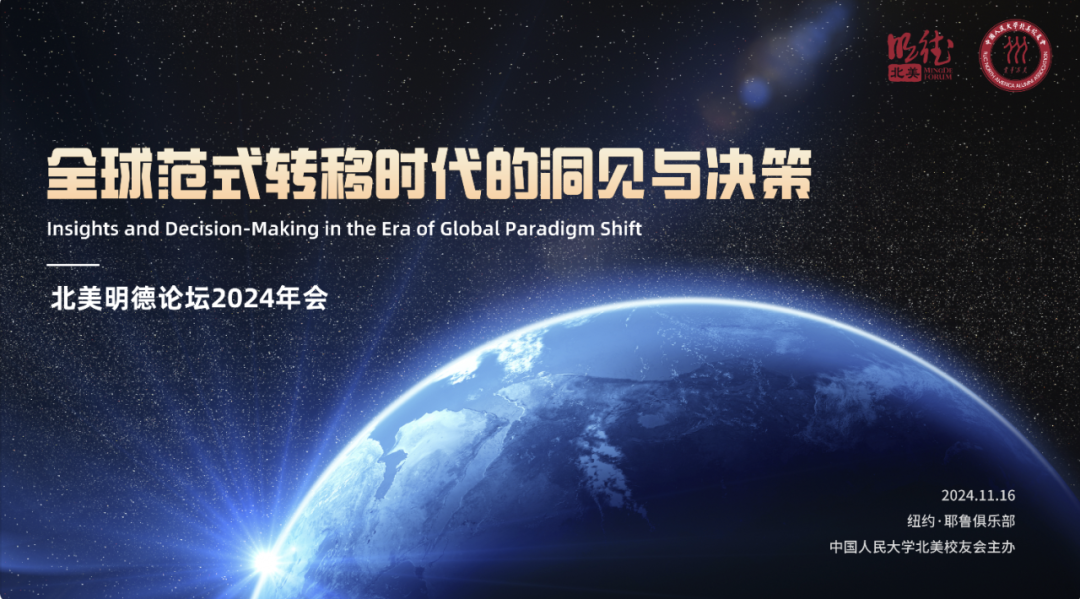
News | A Decade of Mingde: Bringing Together Wisdom and Ideas, Inspiring Insight Through Diverse Perspectives
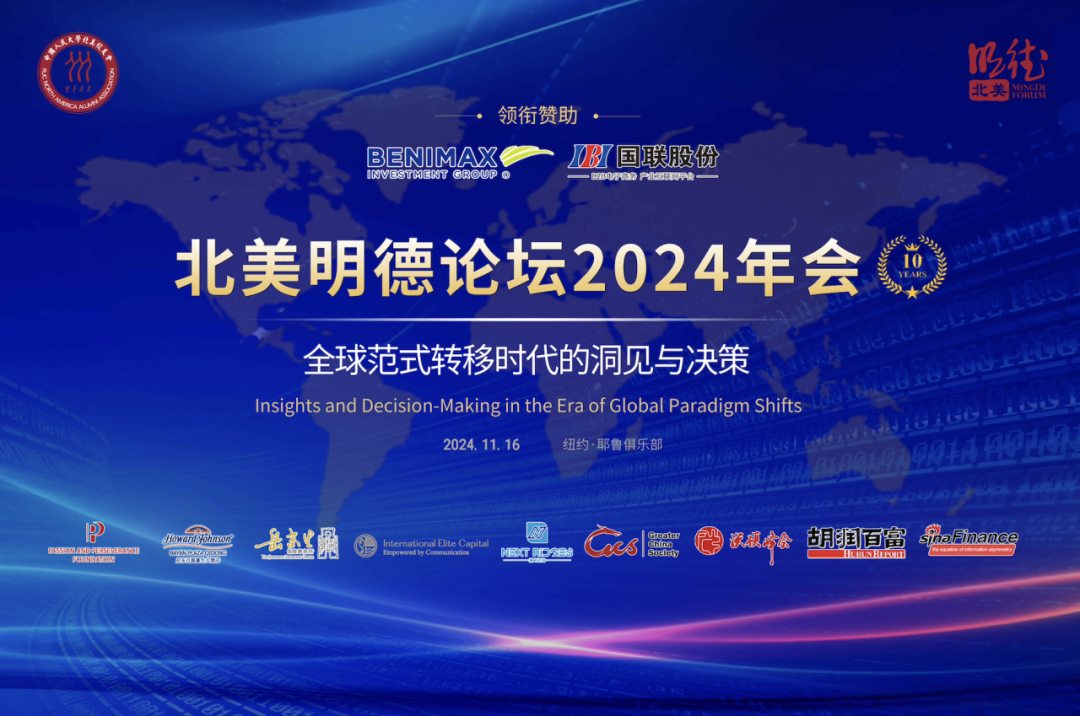
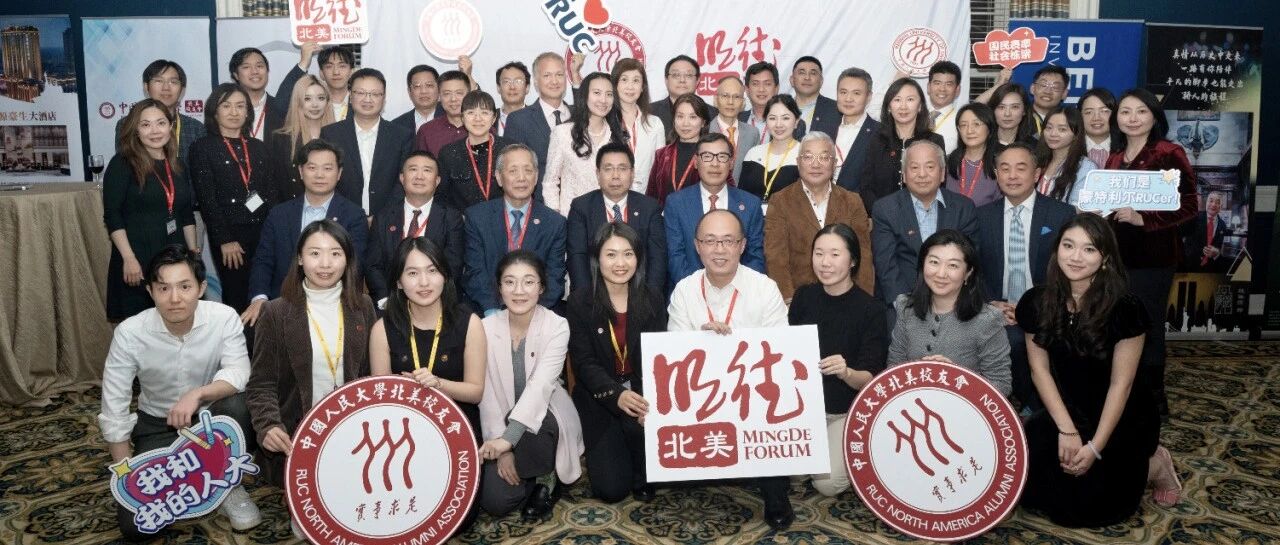
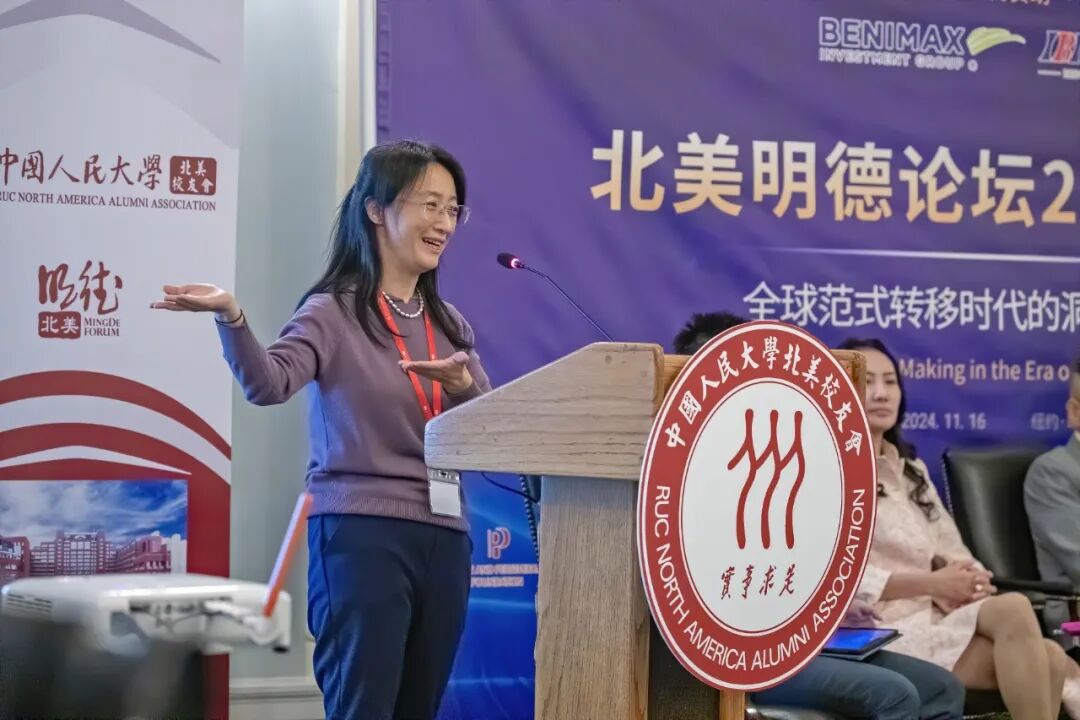
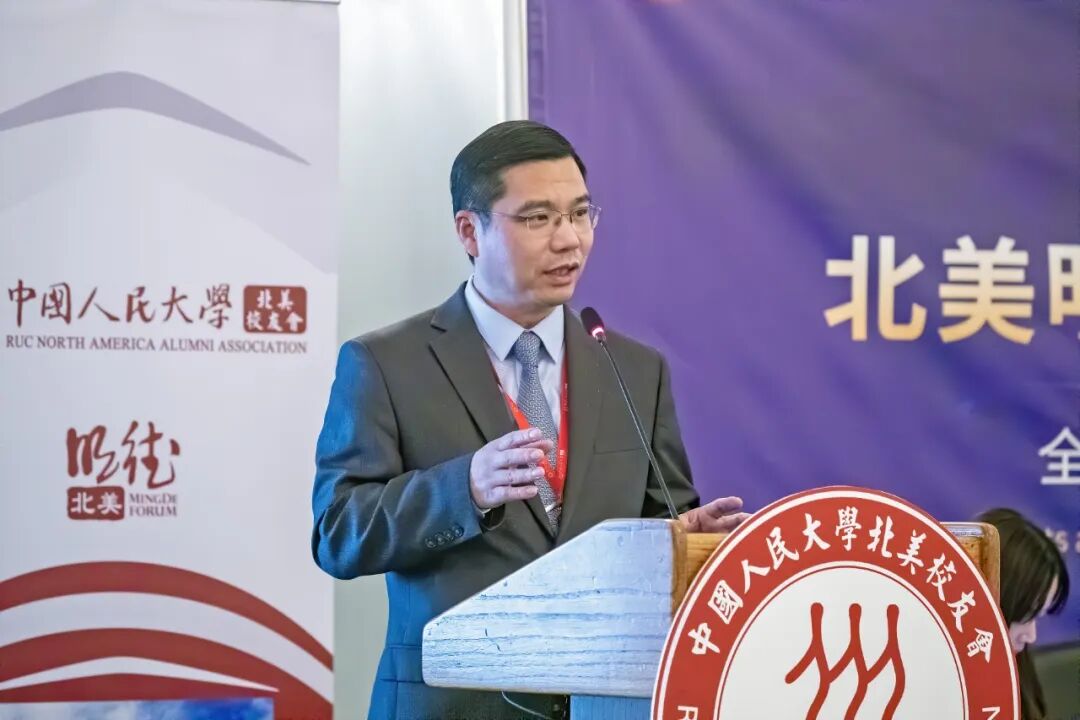
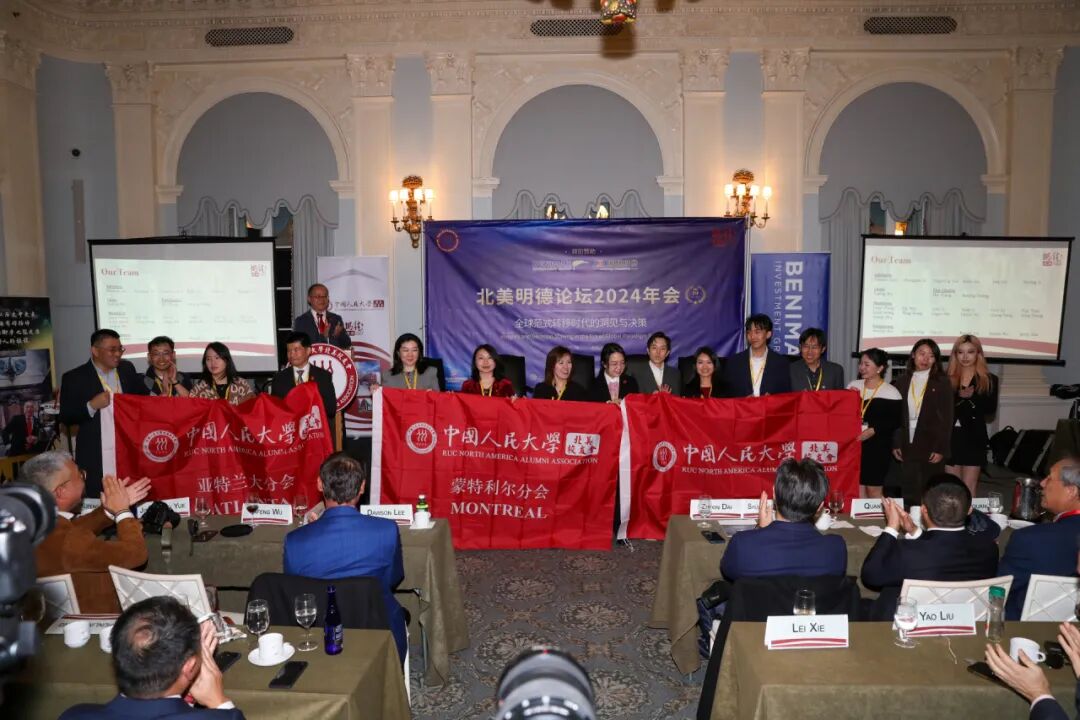
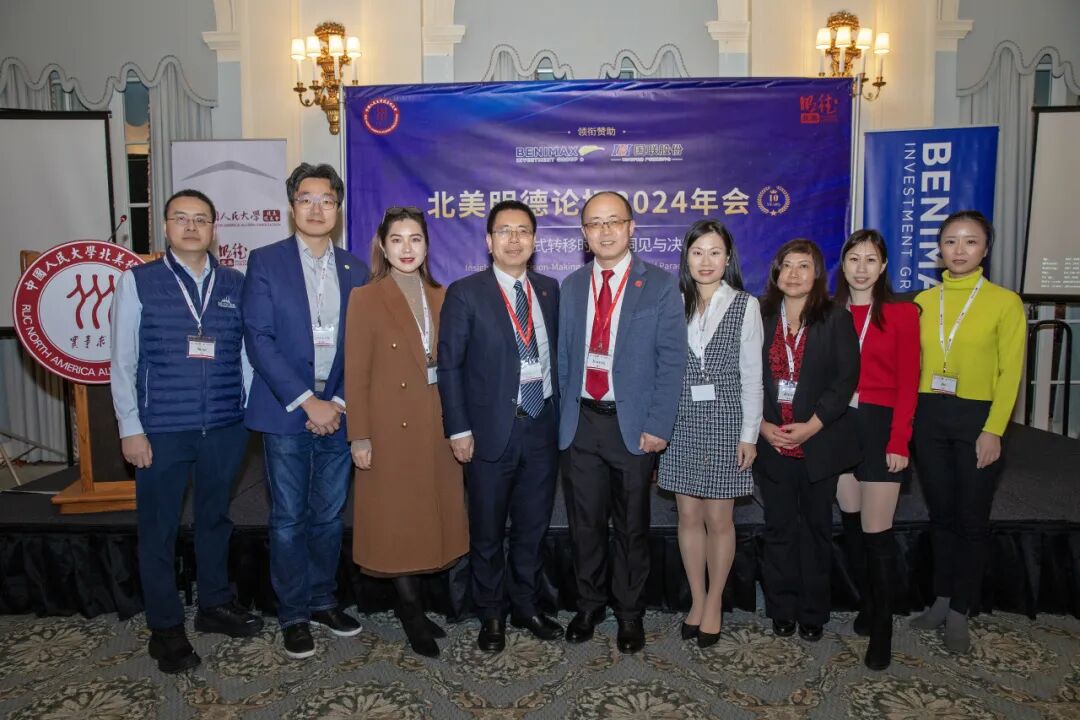
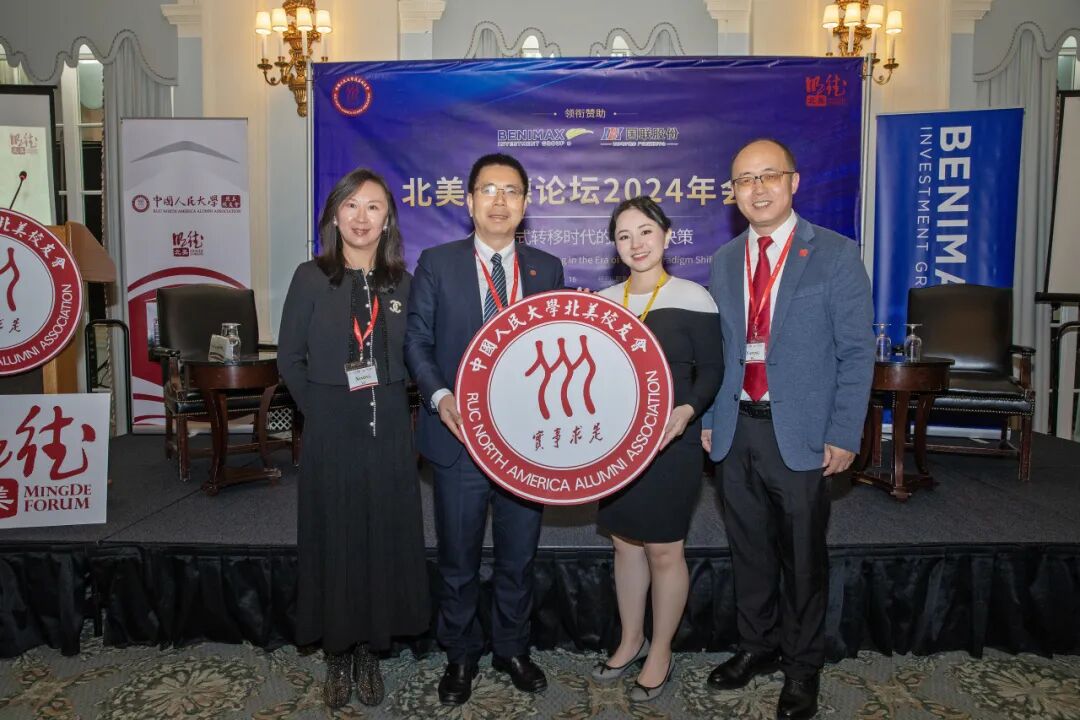
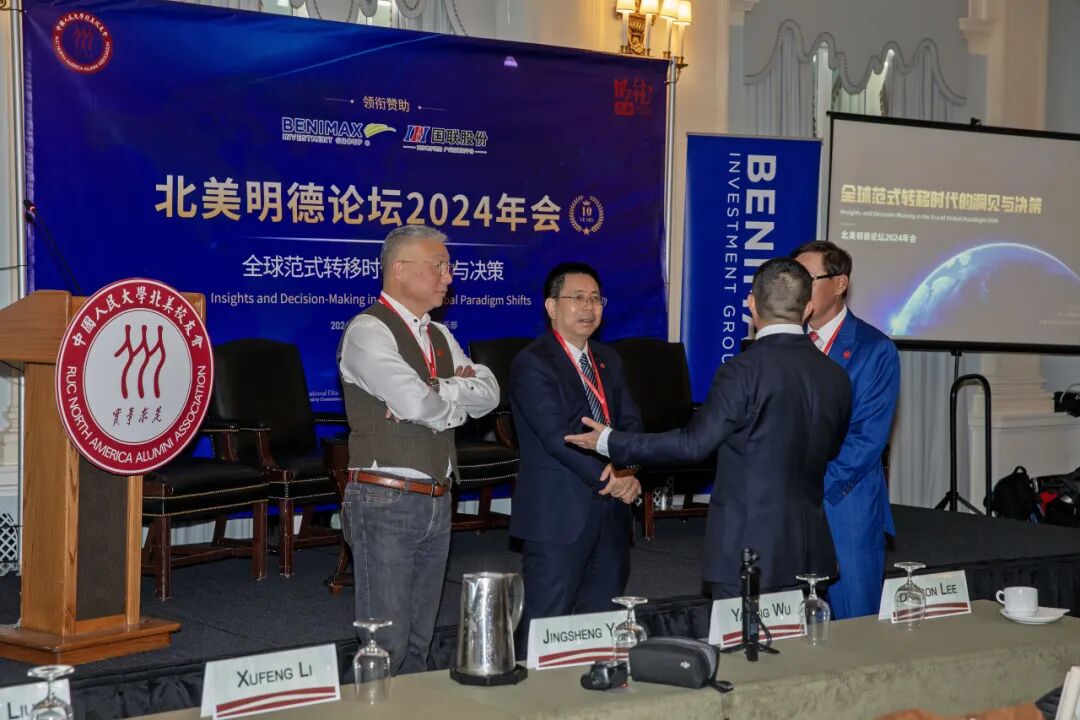
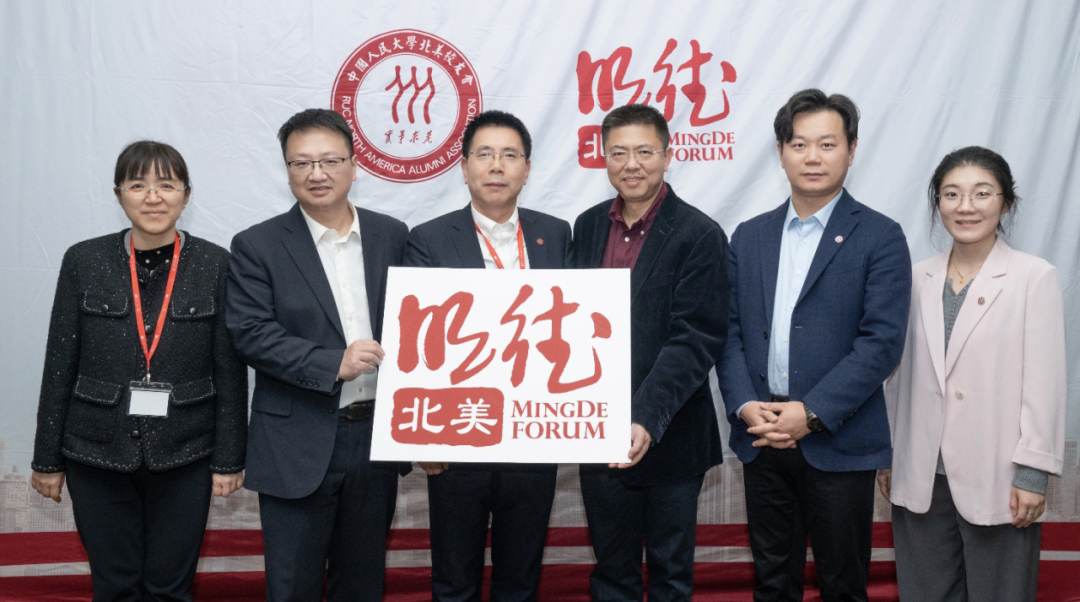
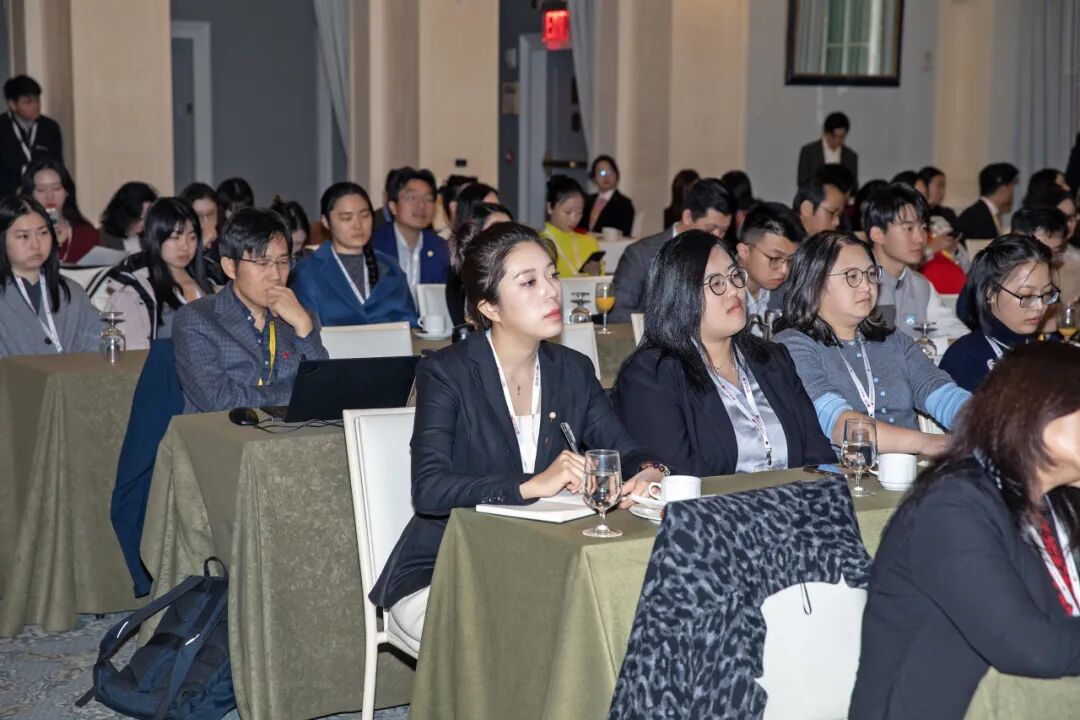
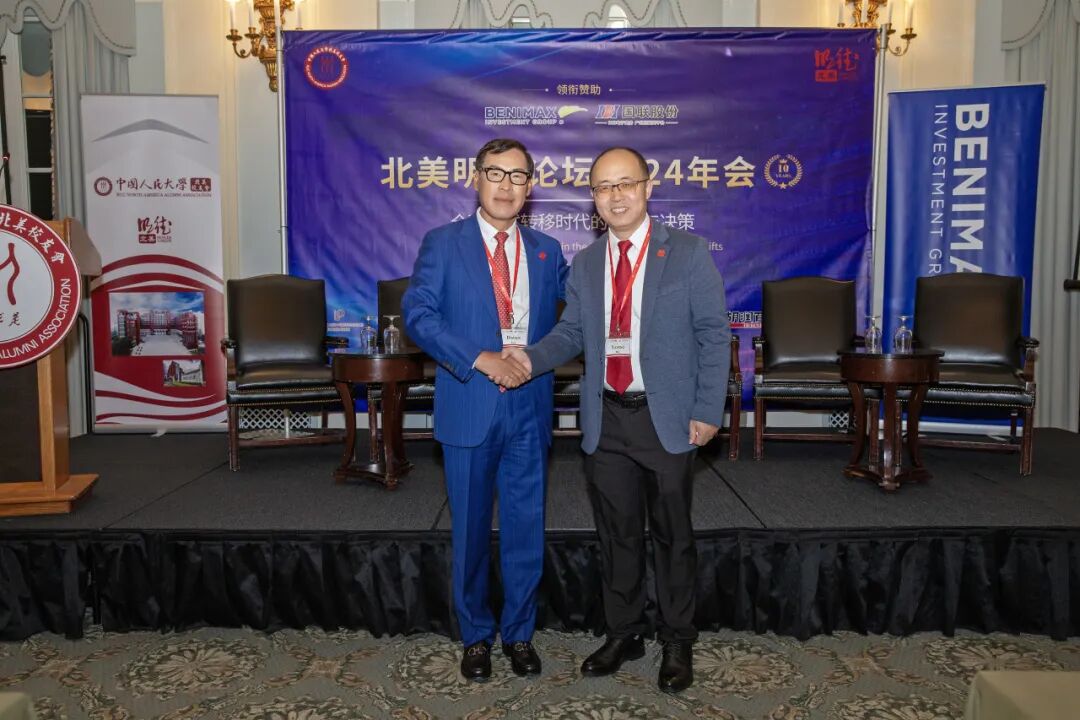
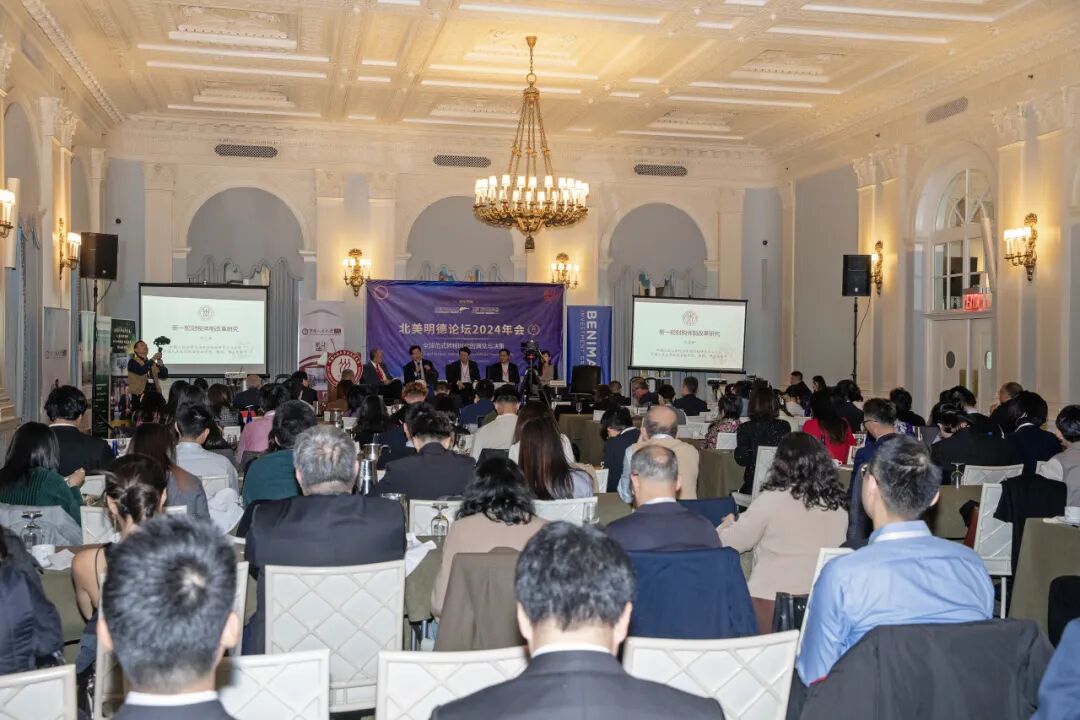
On November 16, the Mingde Forum 2024, hosted by the RUC North America Alumni Association, was successfully held at the Yale Club of New York City. Zheng Shuiquan, Deputy Secretary of the CPC Renmin University of China Committee, led a delegation to attend the forum and delivered remarks. More than 180 Renmin University alumni and distinguished guests from the United States, Canada, and China attended the event.
Founded by the RUC North America Alumni Association in 2015, the Mingde Forum is a premier forum brand that brings together academic inquiry and practical perspectives while embracing openness and diversity. Now in its tenth consecutive year, the forum has featured prominent experts, scholars, business executives, and political figures from a wide range of fields, engaging in in-depth discussions of current issues and emerging trends. Over the years, it has grown beyond a signature event of the RUC North America Alumni Association and a platform for alumni exchange and sharing. It has also become an important gathering that showcases the intellectual strength of RUC alumni, highlights the university’s academic strengths, brings together cutting-edge ideas, and expands the global reach of the RUC alumni community.
The theme of this year’s forum was “Insights and Decision-Making in an Era of Global Paradigm Shifts.” More than 20 distinguished speakers, including political and economic scholars, financial and investment experts, and senior executives from the business community in China and the United States, offered multidimensional perspectives on a range of topics, including the policy direction following the U.S. presidential election, the macroeconomic outlook, market and investment trends, and strategies for Chinese companies expanding overseas.
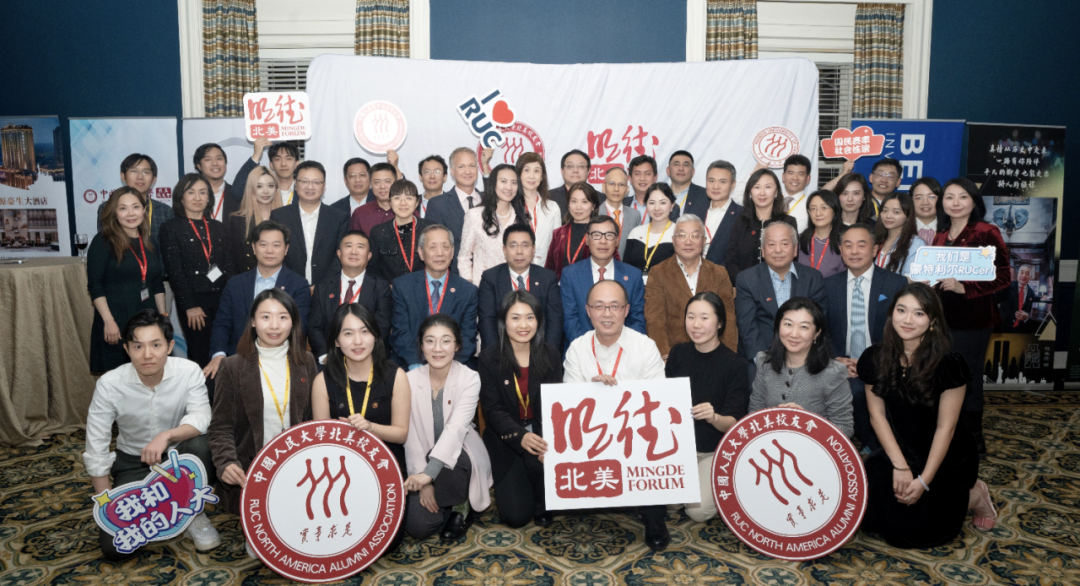
Opening Remarks
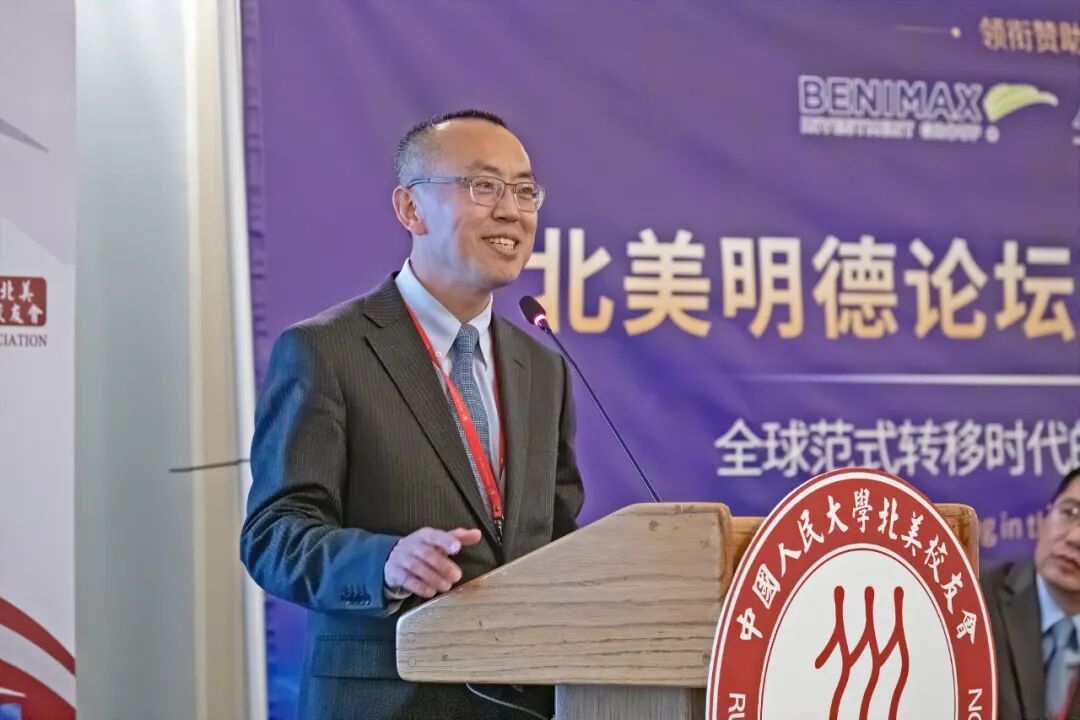
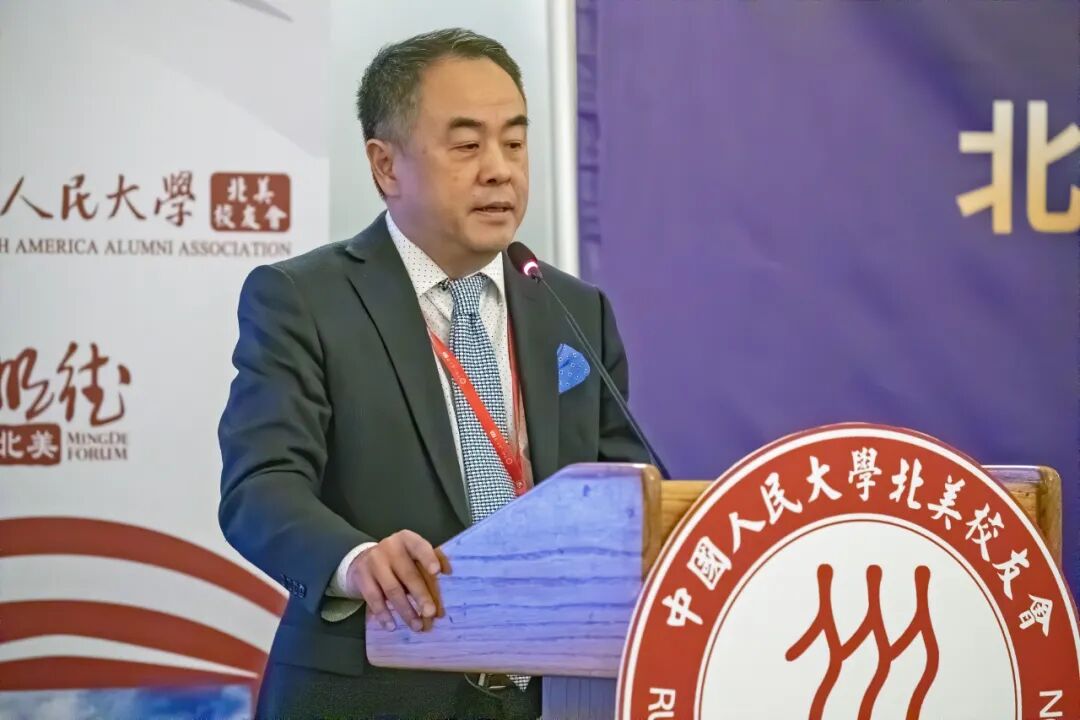
The forum opened with a sweeping video retrospective, “Mingde Forum: A Decade in Review,” commemorating the forum’s ten-year journey. This was followed by opening remarks from Dawson Lee, President of Benimax Investment Group and Chairman of the RUC North America Alumni Association; Zheng Shuiquan, Deputy Secretary of the CPC Renmin University of China Committee; and Liu Quan, Chairman of Guolian Corporation and a Council Member of the RUC North America Alumni Association.
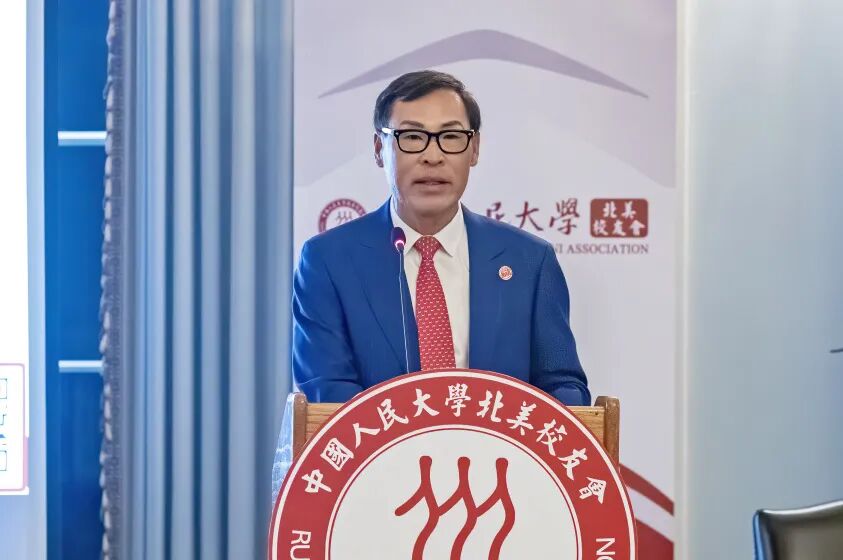
Dawson Lee delivered the opening welcome and officially declared the Mingde Forum 2024 underway. In his remarks, he noted that over the past decade, the RUC North America Alumni Association and the Mingde Forum had continued to grow and evolve, developing from a little-known discussion group into an important RUC brand. He described it as the only RUC alumni forum established in a global financial center and noted its role as an important bridge between China and the United States.
Lee emphasized that the forum’s success would not have been possible without the support of the alma mater and the selfless contributions of alumni. He expressed hope that participating experts and scholars would exchange ideas through presentations and discussions, spark new thinking, explore ways to address emerging challenges, and identify opportunities for future development.
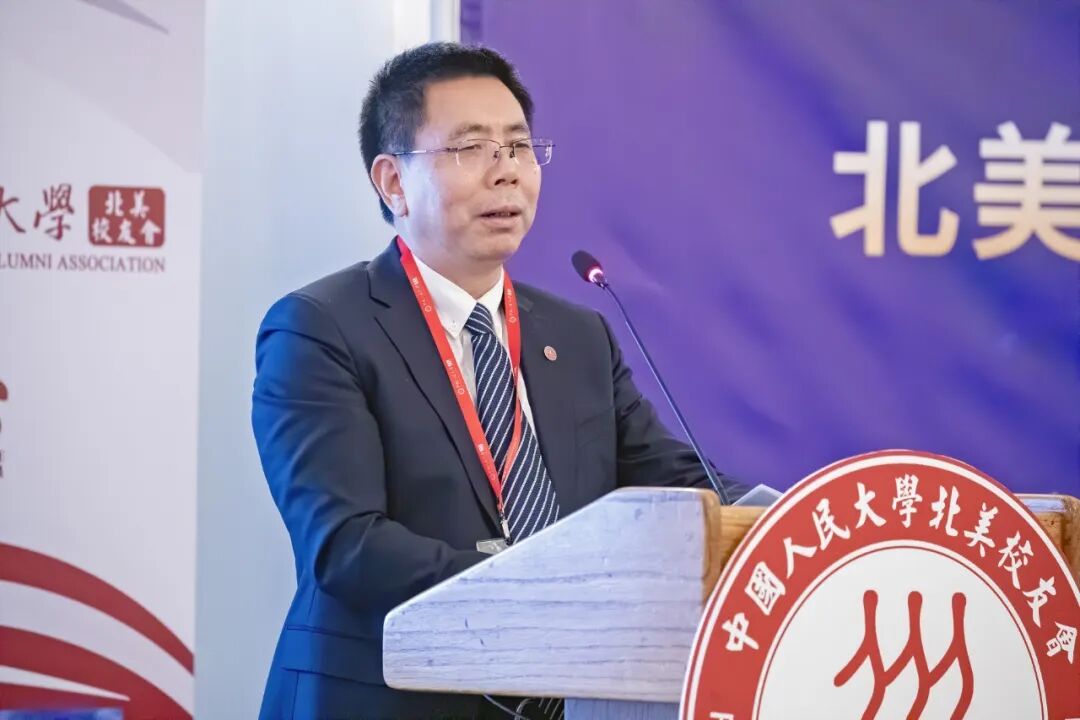
Representing Renmin University of China, Zheng Shuiquan extended a warm welcome and greetings to all guests, alumni, and new and longtime friends attending the forum. He also expressed his appreciation to the RUC North America Alumni Association for its hard work in organizing the event.
Zheng said that alumni are the university’s most distinguished ambassadors, most unique advantage, and most valuable asset, as well as one of its most trusted and dependable sources of strength. Although based in North America, RUC alumni have remained deeply connected to their alma mater, providing important support and devoting considerable time and effort to the university’s development. They have also helped enhance RUC’s international reputation and influence.
He noted that, after a decade of sustained efforts, the Mingde Forum had achieved valuable results through discussions of major issues concerning China-U.S. relations and global governance. It had gradually developed into an important bridge for connecting China and the United States and promoting intellectual exchange, as well as a vital link between RUC and its North American alumni. Over the past decade, discussions at the forum had not only provided perspectives relevant to policymakers in China and the United States, but had also injected new energy into multilateral cooperation within the international community. The in-depth discussions and exchange of ideas at each forum, he said, had made meaningful contributions to global governance and the building of international consensus.
Zheng described the Mingde Forum as an important component of RUC’s global development strategy. Through its broad influence, the forum has helped amplify Chinese perspectives while offering Chinese insights and approaches to the international community and promoting multilateral approaches to addressing global challenges.
He encouraged North American alumni to make full use of the Mingde Forum as a platform to contribute their wisdom and energy to strengthening friendship between China and the United States and building a community with a shared future for humanity; to advancing cooperation between Chinese and U.S. universities and enhancing RUC’s international influence; and to bringing alumni together and supporting the development of RUC as a world-class university with Chinese characteristics.
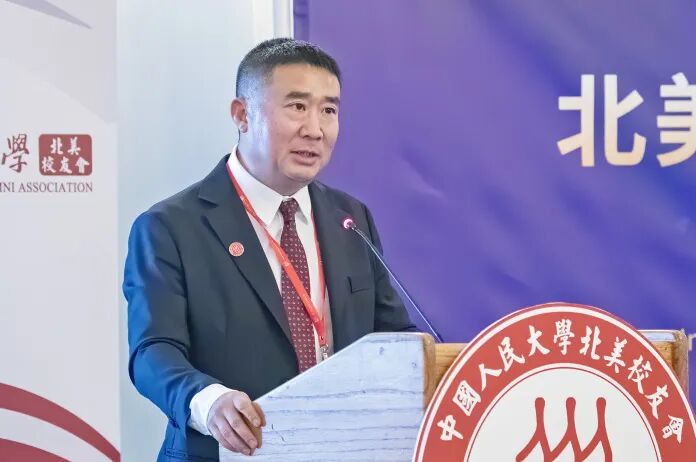
Liu Quan said that the Mingde Forum’s first decade had witnessed tremendous changes around the world, making this year’s theme particularly relevant to the era in which we live. As witnesses to and participants in this era, he said, we need not only to adapt to change, but also to seize opportunities and help shape the future.
Against this backdrop, Liu described the Mingde Forum as an excellent platform for bringing people together to explore strategies for addressing challenges and to seek wise paths toward the future. He noted that Beijing United Information Technology Co. and the Mingde Forum shared a strong alignment in their outlook, particularly in their continued focus on changes and opportunities from a global perspective.
He said he firmly believed that both corporate development and individual growth depend on keen insight into emerging trends and a willingness to embrace new opportunities. He called on alumni to continue working together to meet the challenges of the times, seize historic opportunities, and inject renewed vitality into the wisdom and practice of the global Chinese community.
High-Level Dialogue
The forum’s substantive discussions were held in two sessions, morning and afternoon.
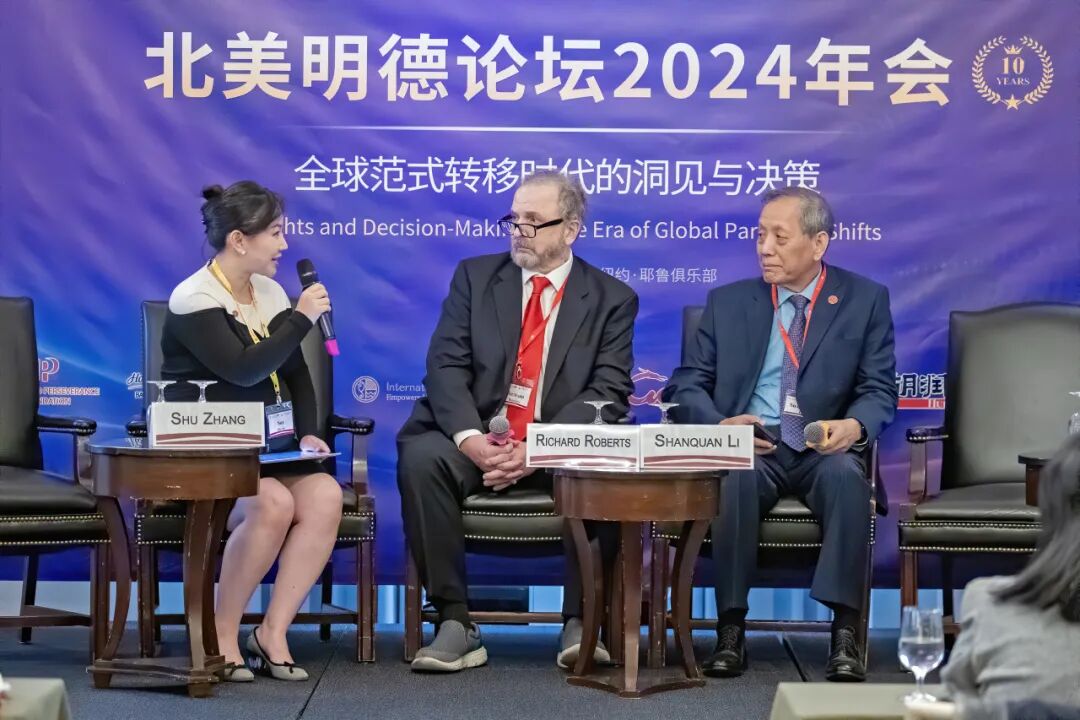
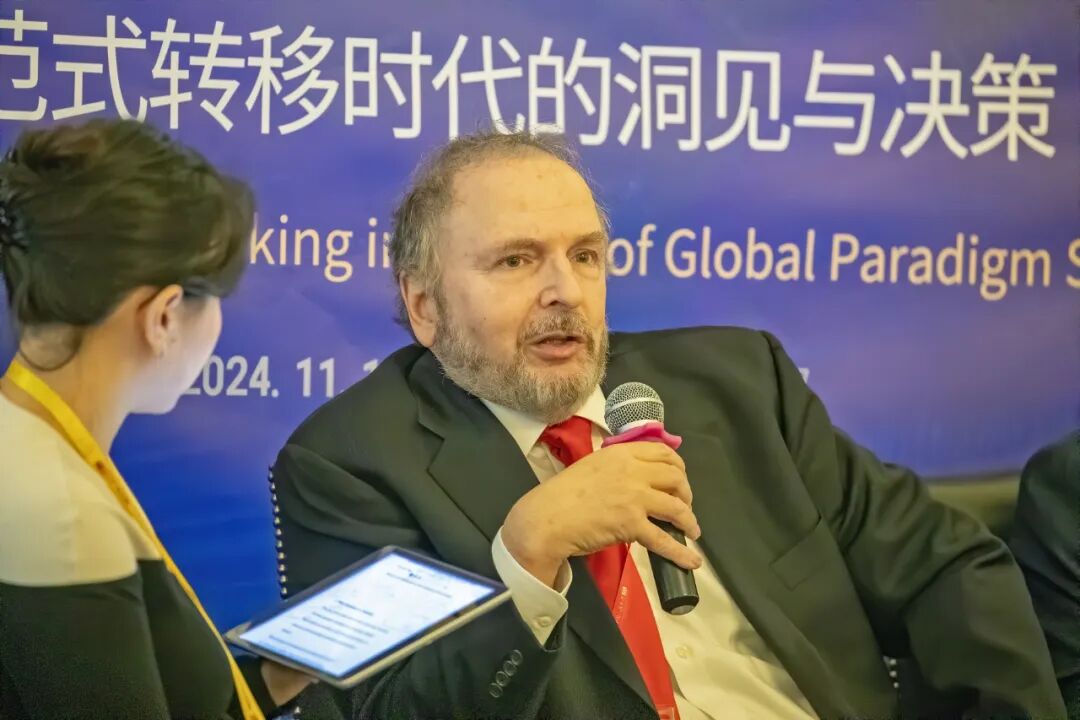
The morning session opened with a high-level dialogue featuring Li Shanquan, Managing Director and Senior Portfolio Manager at Invesco and a Council Member of the RUC North America Alumni Association, and Richard Roberts, former Head of the Compliance Reporting Department and former Head of Credit Risk Management at the Federal Reserve Bank of New York and Professor of Economics at Monmouth University.
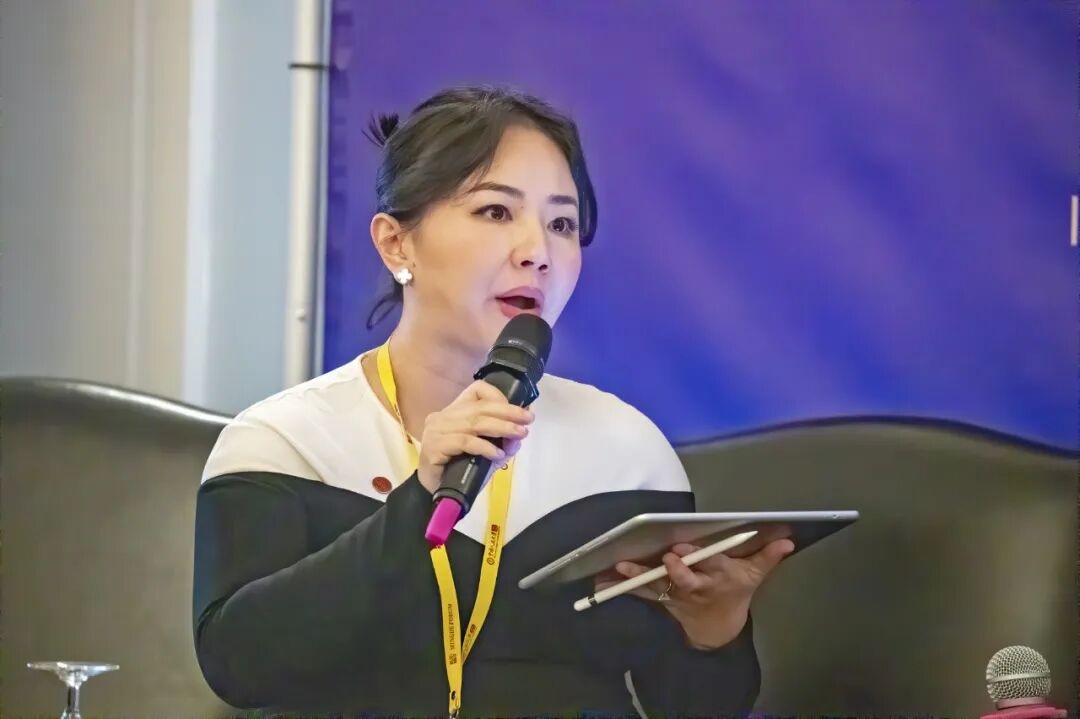
Moderated by Zhang Shu, Chief Operating Officer of Yinglian Capital and Vice President of the RUC North America Alumni Association, the discussion examined the state and outlook of the U.S. economy, the future path of monetary policy, and related issues. Drawing on their extensive professional and academic experience, the speakers offered insights into possible future policy directions and explored their potential implications for global markets and investment strategies.
Key takeaways
Inflation is likely to remain a significant factor affecting the U.S. economy. While the Federal Reserve’s rate hikes have helped ease inflationary pressures, the cost of living remains elevated.
Potential rate cuts could trigger renewed inflationary pressure, adding to economic uncertainty.
Policies pursued by the Trump administration could have far-reaching effects on the U.S. economy. Restrictions on immigration and higher tariffs could push up labor and consumer costs and add to inflationary pressures.
Changes in energy-production policies could reduce energy costs, although their longer-term effects remain uncertain.
Higher tariffs could increase import costs, intensify inflationary pressures, and further complicate global supply chains.
Businesses may face declining profitability if their ability to pass higher costs on to consumers is limited, potentially creating additional risks for economic stability.
Tariff revenues are unlikely to provide a fundamental solution to U.S. debt and fiscal deficits. Key long-term approaches include improving productivity and reducing government spending.
Tax cuts could add to existing fiscal challenges.
The Federal Reserve faces continuing challenges in balancing its dual mandate of price stability and maximum employment, while new policies could make achieving its inflation target more difficult.
Investment flows between China and the United States depend largely on the sources of capital. Changes in international capital flows could affect global market stability, making future policy developments and their economic consequences important areas for continued attention.
Keynote Address
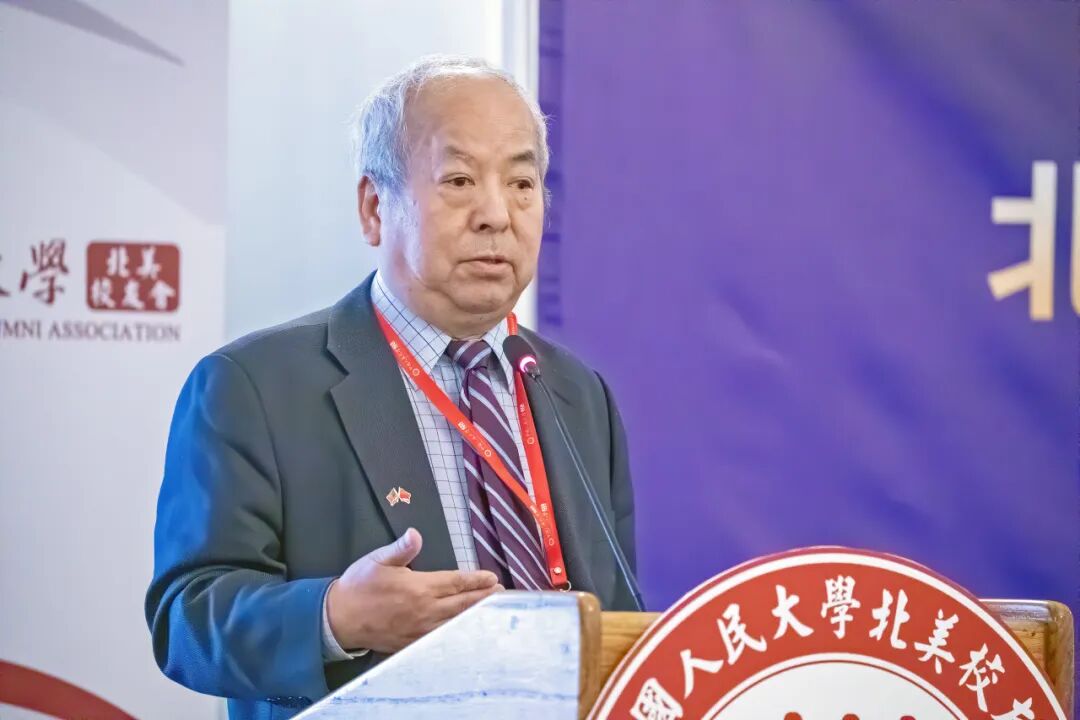
Dr. Liu Yawei, Senior Advisor for China Affairs at The Carter Center and Adjunct Professor at Emory University, delivered a keynote address examining the implications of Donald Trump’s election for U.S. domestic and foreign policy and U.S.-China relations. He also shared his concerns and expectations regarding the evolving global landscape.
Key Takeaways
Trump’s decisive victories in several swing states reflected voter dissatisfaction with economic and social conditions and a desire for change.
Potential policy reforms under Trump, including large-scale deportations of undocumented immigrants and reductions in federal spending, could have significant effects on society and families.
On foreign policy, the complexity of the war in Ukraine and the situation in the Middle East could complicate the implementation of Trump’s campaign commitments, with potentially significant implications for U.S. international standing and the geopolitical landscape.
Trump’s approach toward China was another major focus, particularly as the Taiwan issue could pose a significant test for U.S.-China relations.
Although bilateral tensions could intensify in the short term, Trump could also seek to revive economic dialogue and trade negotiations between China and the United States, potentially creating opportunities for improving bilateral relations.
If both sides manage their differences effectively, a “soft landing” may be possible.
Against the backdrop of global turbulence and domestic divisions in the United States, Liu expressed hope that China and the United States could coexist peacefully, focus on their respective domestic development, and concentrate on economic cooperation to promote stability and development in both countries and around the world.
Panel Discussions
The afternoon session consisted of three panel discussions.
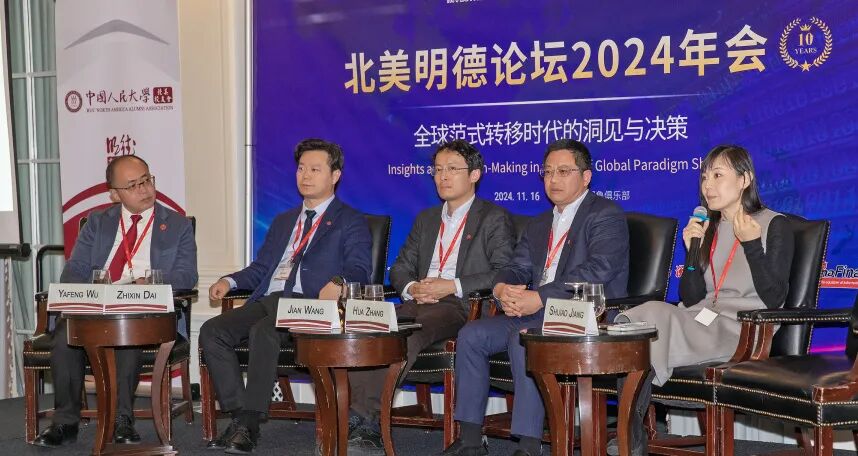
China Economy
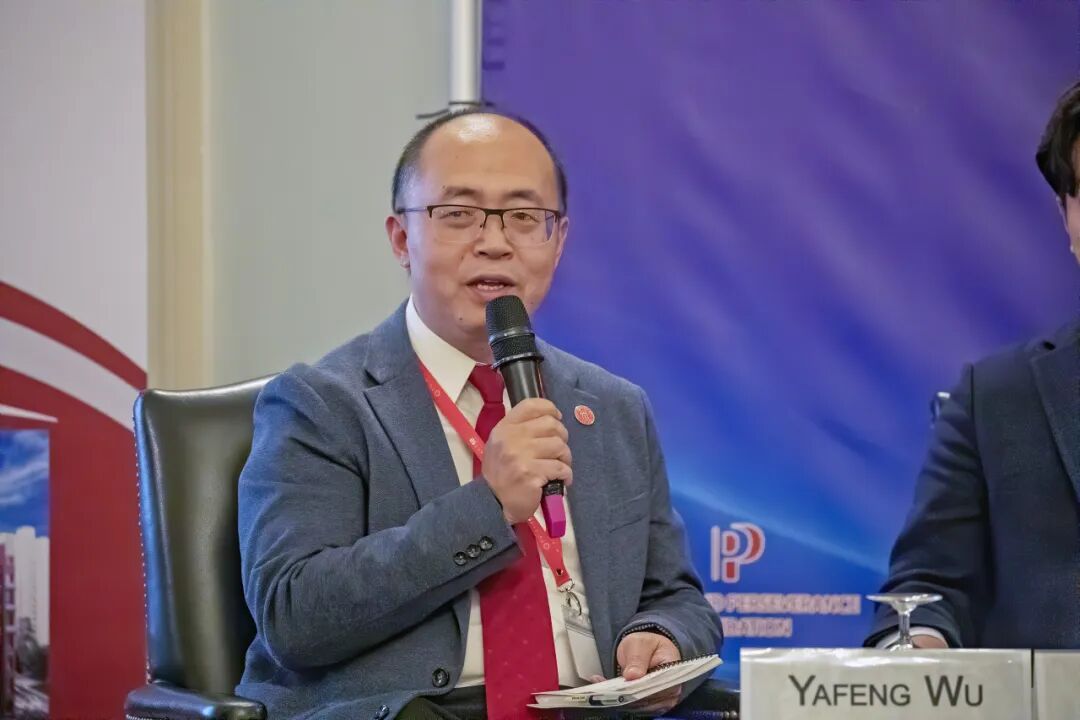
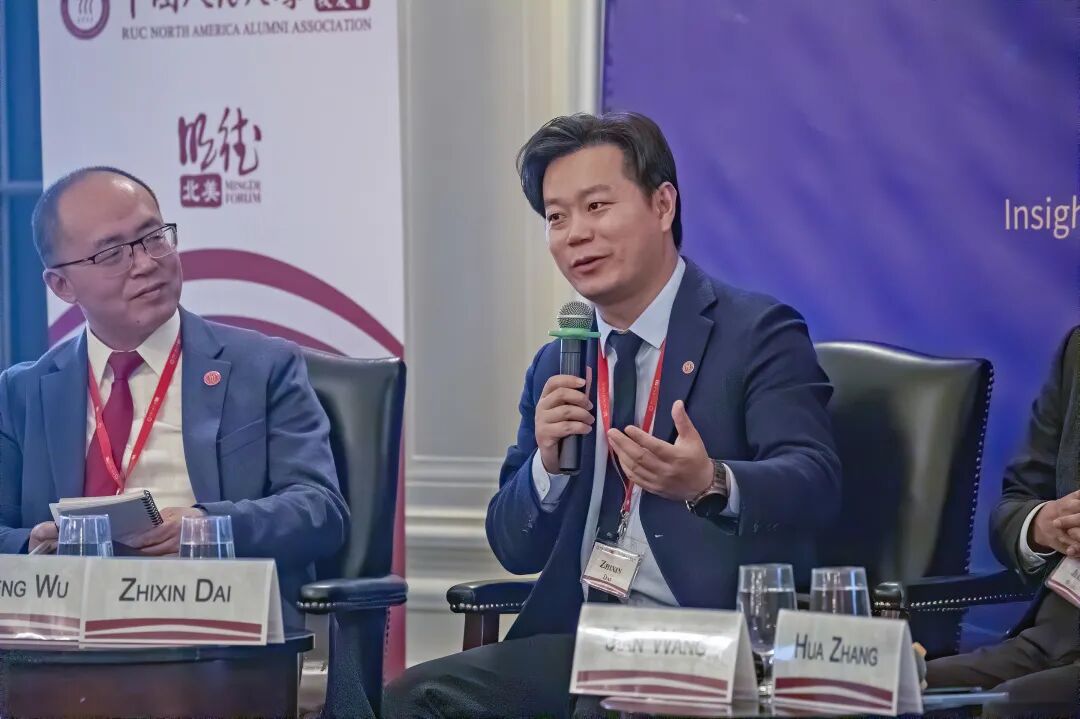
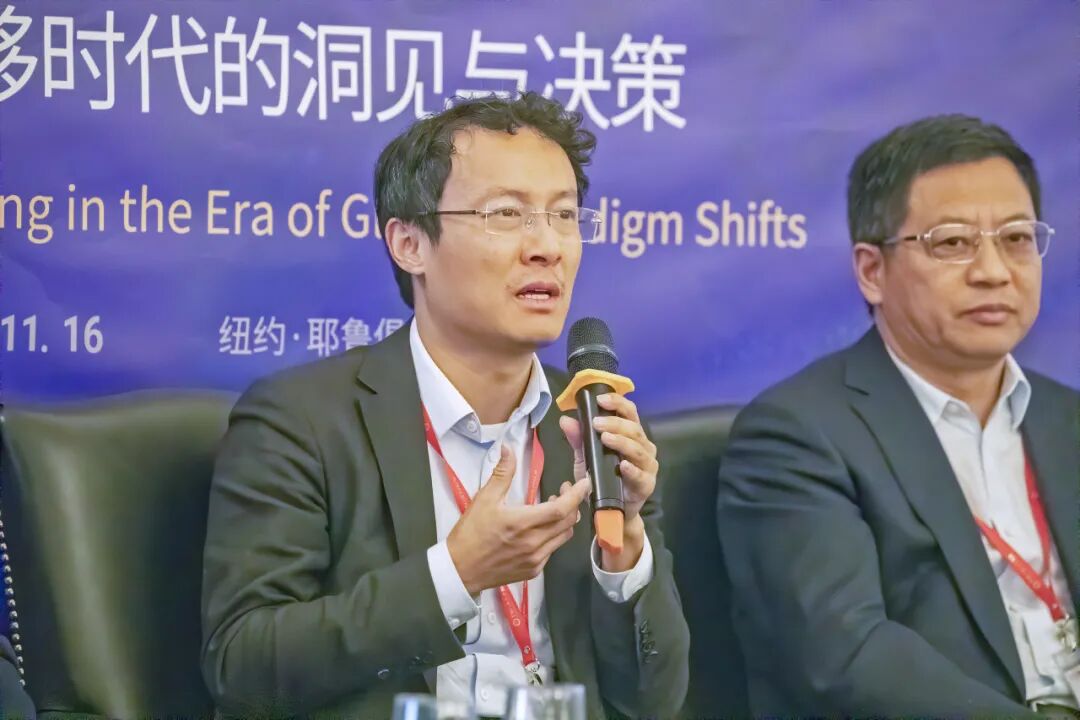
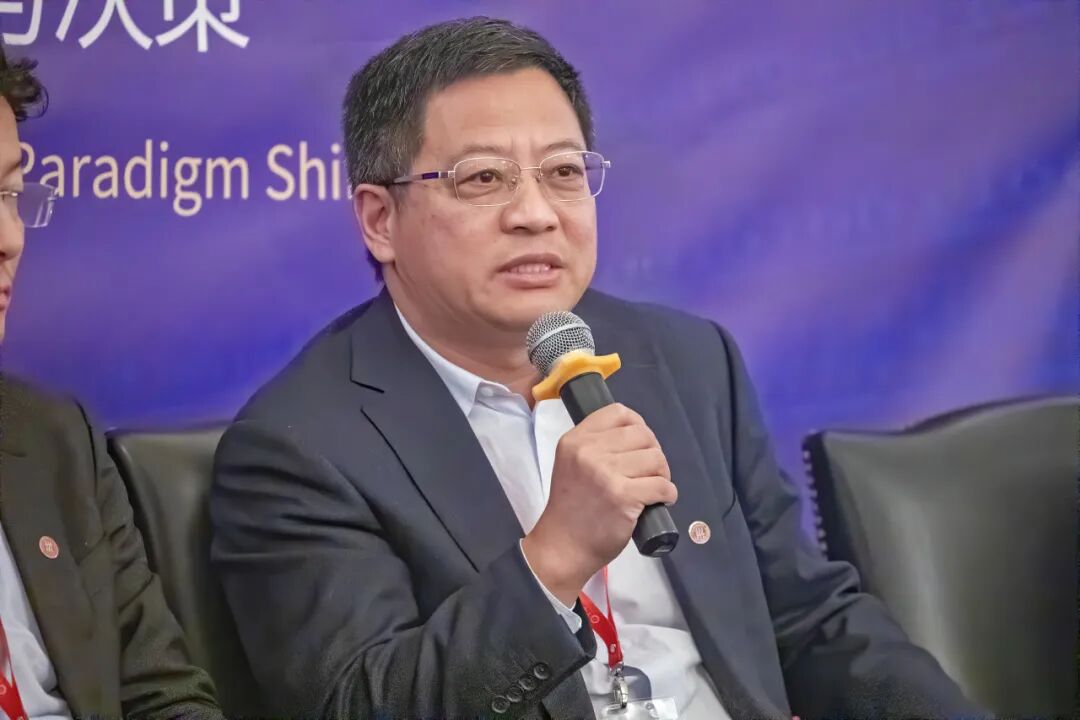
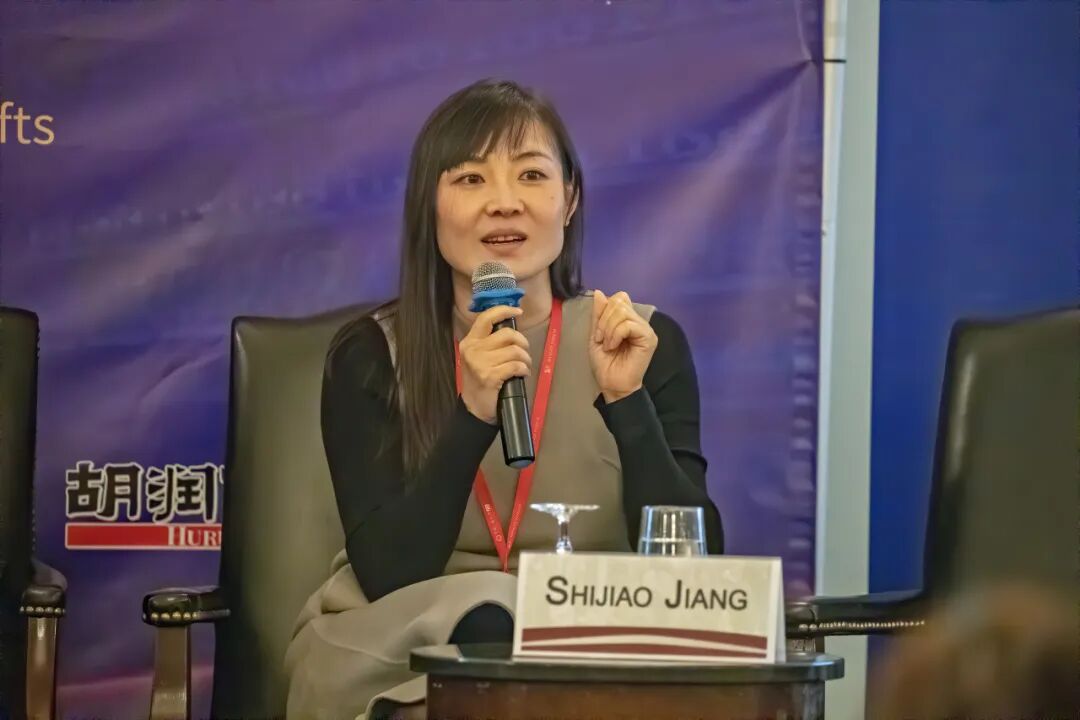
The first panel, “China Economy,” was moderated by Wu Yafeng, President of Hanling Consulting and President of the RUC North America Alumni Association. Dai Zhixin, Professor at the School of Finance at Renmin University of China; Wang Jian, Assistant Director of the Economic Research Institute and Chief Financial Industry Analyst at Guosen Securities; Zhang Hua, Chairman of Dingxin Great Wall Investment Management Group; and Jiang Shijiao, CEO of Zhongqingwen (Beijing) Private Fund Management Co., Ltd., offered perspectives on the challenges, opportunities, risks, and policy responses facing the Chinese economy.
Key Takeaways
China is at a critical stage of industrial transformation and upgrading. As industrialization and urbanization approach maturity, the pace of transformation and upgrading is accelerating, presenting significant challenges to the financial sector.
Traditional and emerging industries require fundamentally different financial-service models. Whether serving the real economy or participating in securities investment, the financial sector needs to adapt accordingly.
Developed Western economies experienced similar stages earlier than China, offering valuable historical references. At the same time, China needs to take its own national conditions into account and develop a financial path with Chinese characteristics.
As a major driver of China's economic development and an important component of urbanization, the real-estate sector—particularly the role of central state-owned enterprises—will be an important factor in future economic reform and development.
At the macro level, attention should be paid to domestic financial leverage and developments in the foreign-exchange market.
International Markets
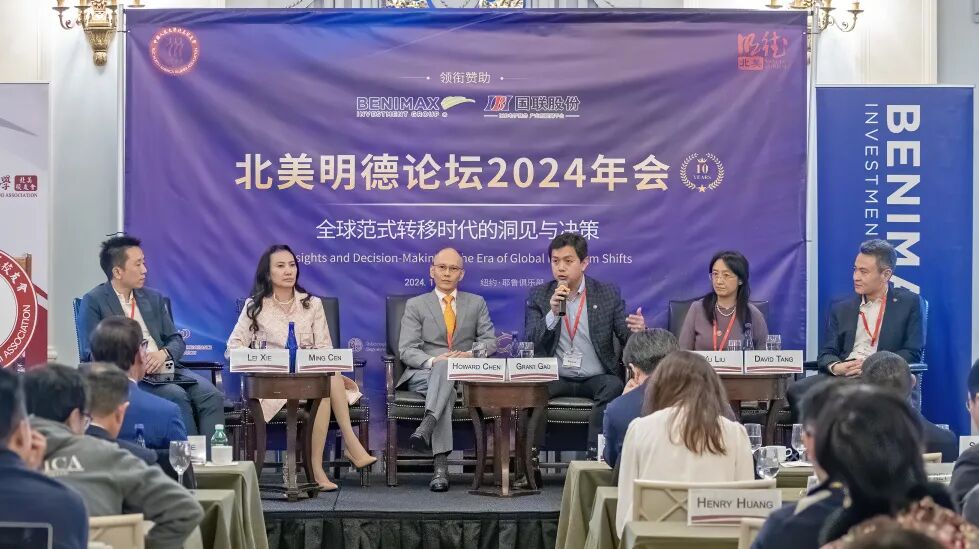
The “International Markets” panel brought together Wall Street investors and academic experts to examine investment trends across different markets and asset classes, helping the audience better understand the direction and dynamics of global investment.
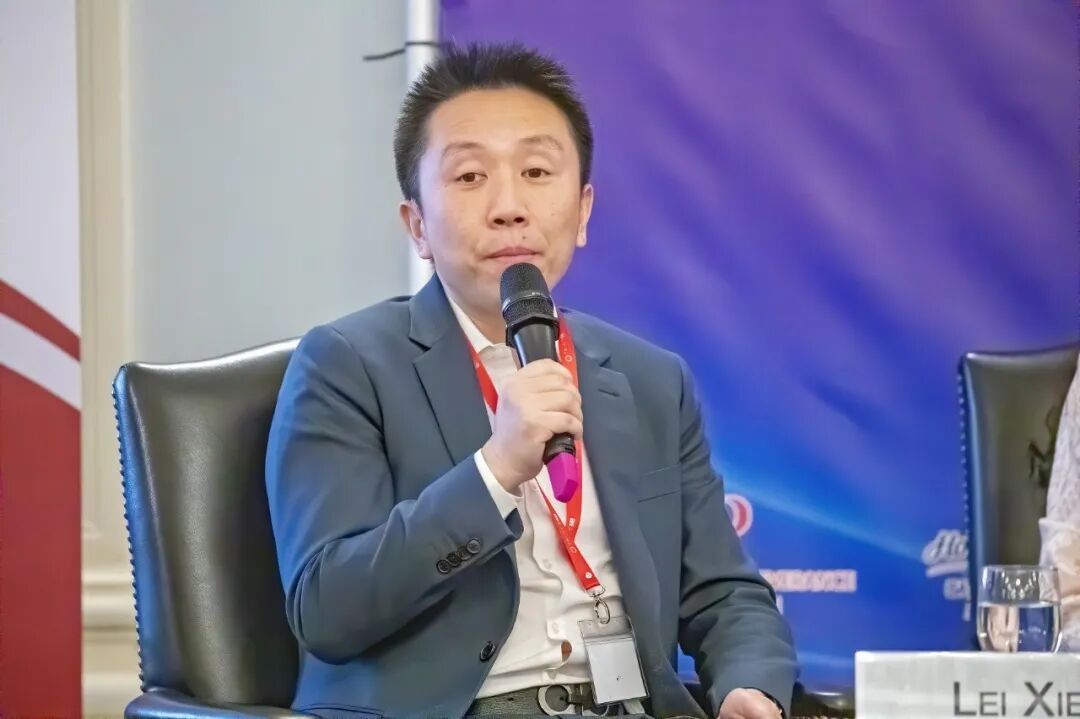
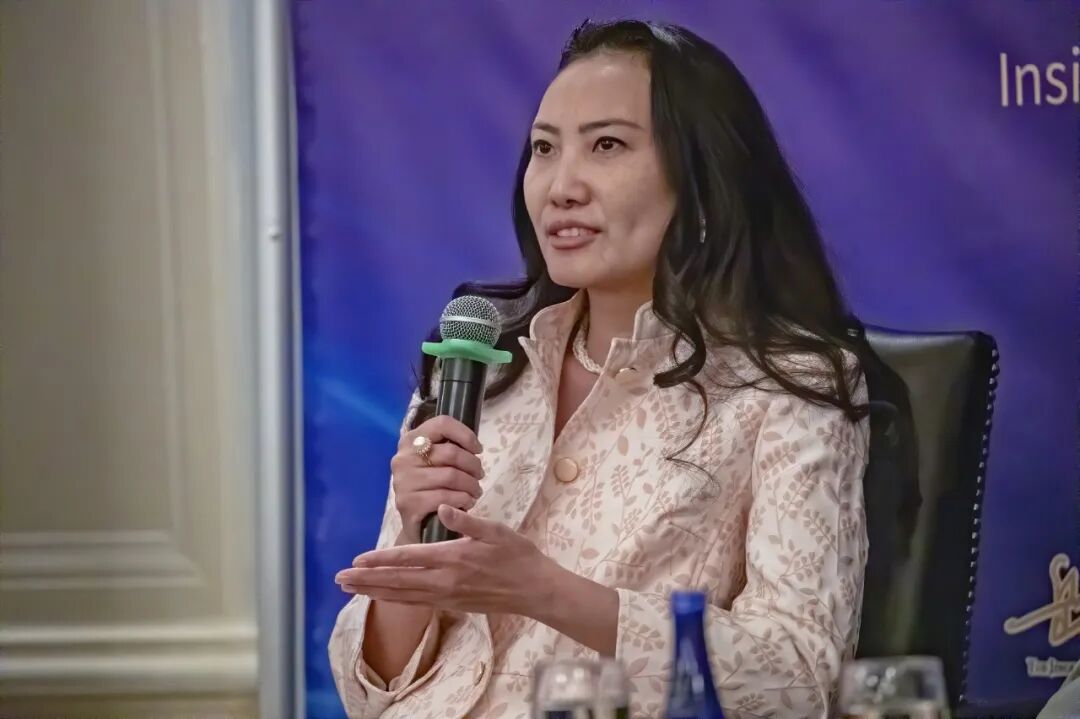
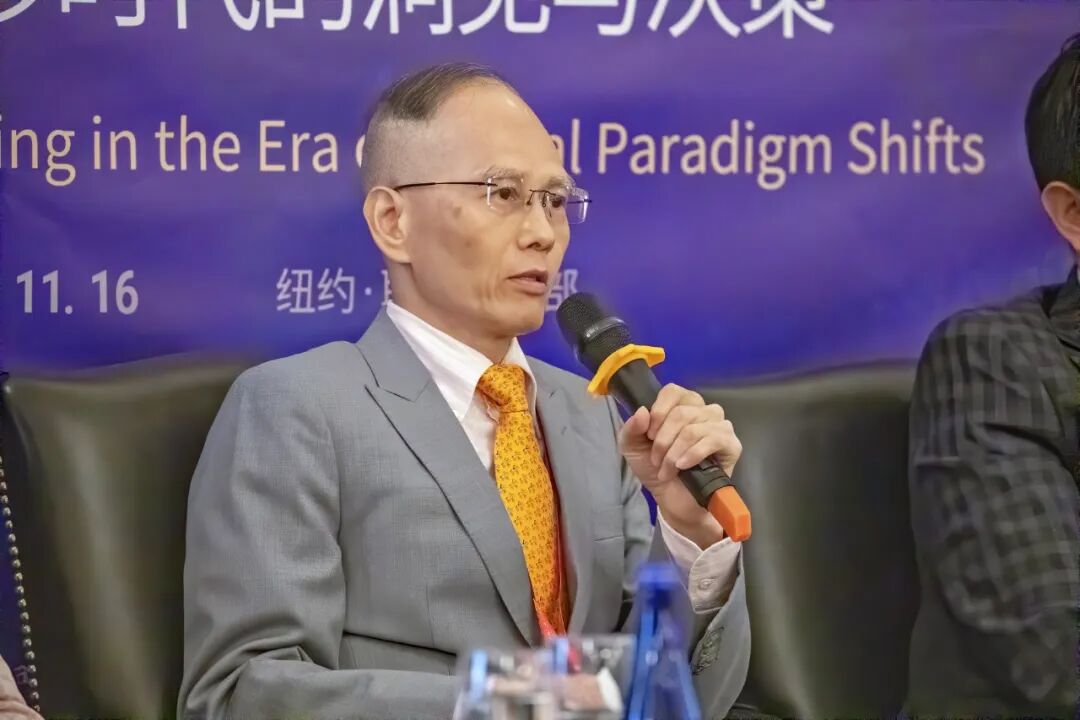
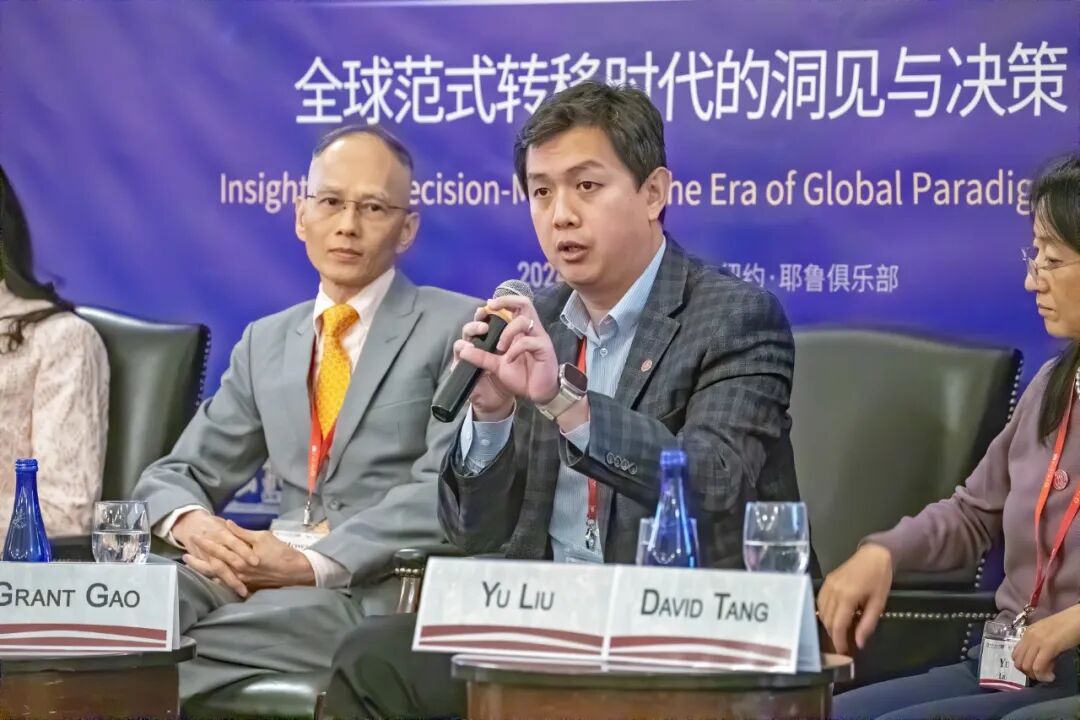
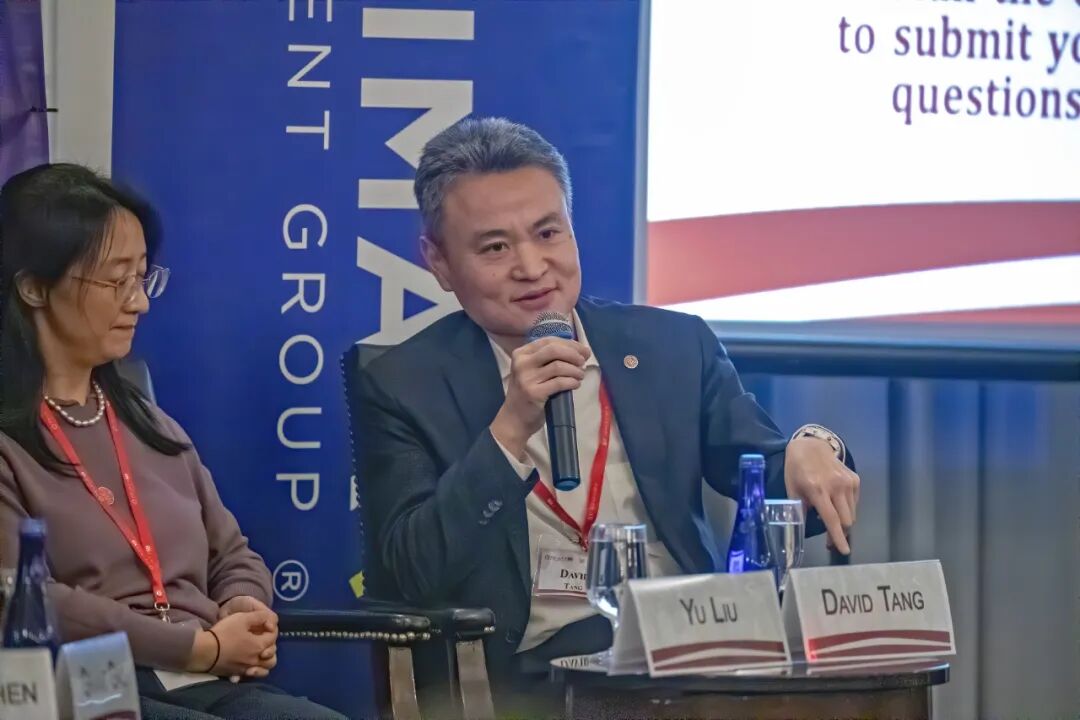
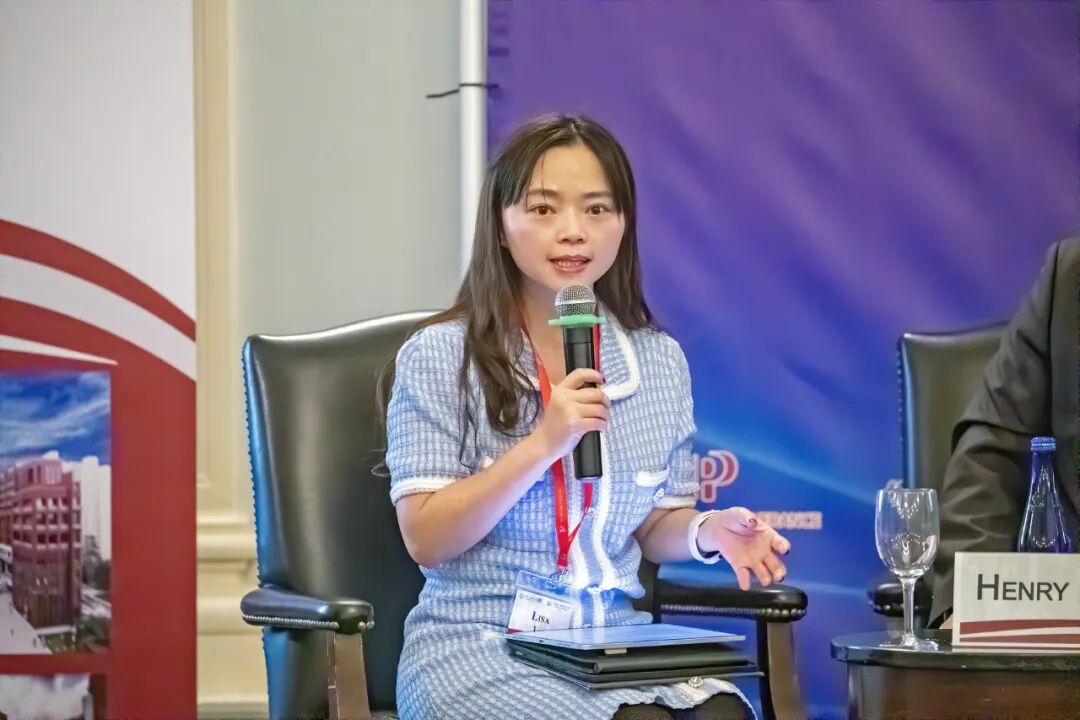
The panel was moderated by Xie Lei, Head of Research and Portfolio Manager at Cubist Systematic. Panelists included Cen Ming, Head of MAPS, Americas, at USSA International; Gao Zibing, Managing Director and CEO of China at EJF Capital; Liu Yu, Associate Professor of Finance at The University of Texas Rio Grande Valley; Chen He, CEO of GMBP Capital; and Tang Qi, Vice President of Investments at EquiTrust Life Insurance Company.
Key Takeaways
The U.S. economy was expected to achieve a soft landing in 2024, although uncertainty surrounding tax policy and the risk of trade tensions could weigh on markets. Investors should closely monitor inflation and labor-market developments.
Technological transformation was highlighted as a key driver of investment opportunities, with artificial intelligence, energy storage, and cloud computing among the areas attracting attention.
Structural opportunities in U.S. capital markets were examined, with banking and M&A activity expected to benefit significantly from potential tax cuts and deregulation.
From an academic perspective, panelists discussed the application of machine learning to asset pricing and the implications of divergence among ESG ratings for investment decisions.
Three major sources of premium in private credit were identified: complexity, illiquidity, and credit risk. Investors were encouraged to pay attention to credit opportunities offering stability and attractive returns.
Going Global
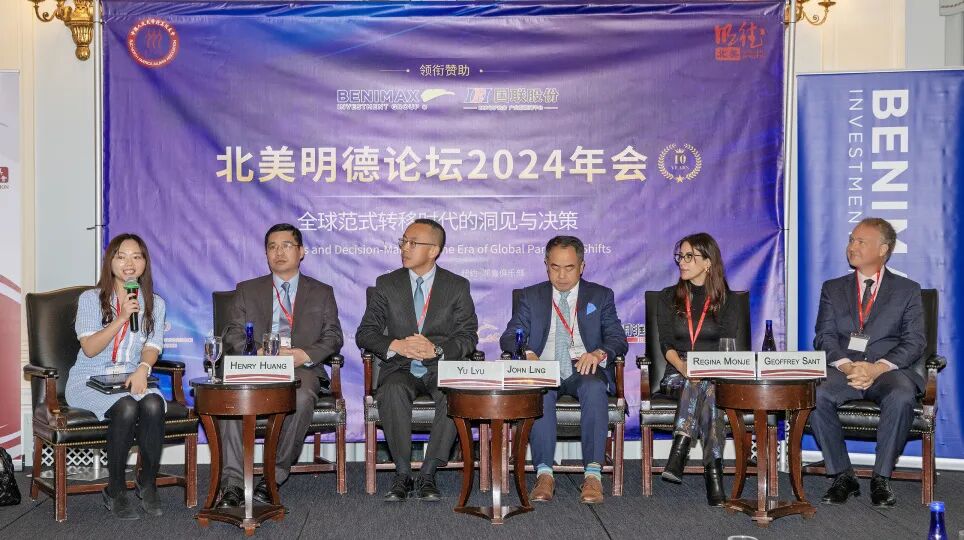
As Chinese companies increasingly expand overseas, the panel “Going Global” examined how companies—particularly those planning to enter the North American market—can navigate the challenges and opportunities involved.
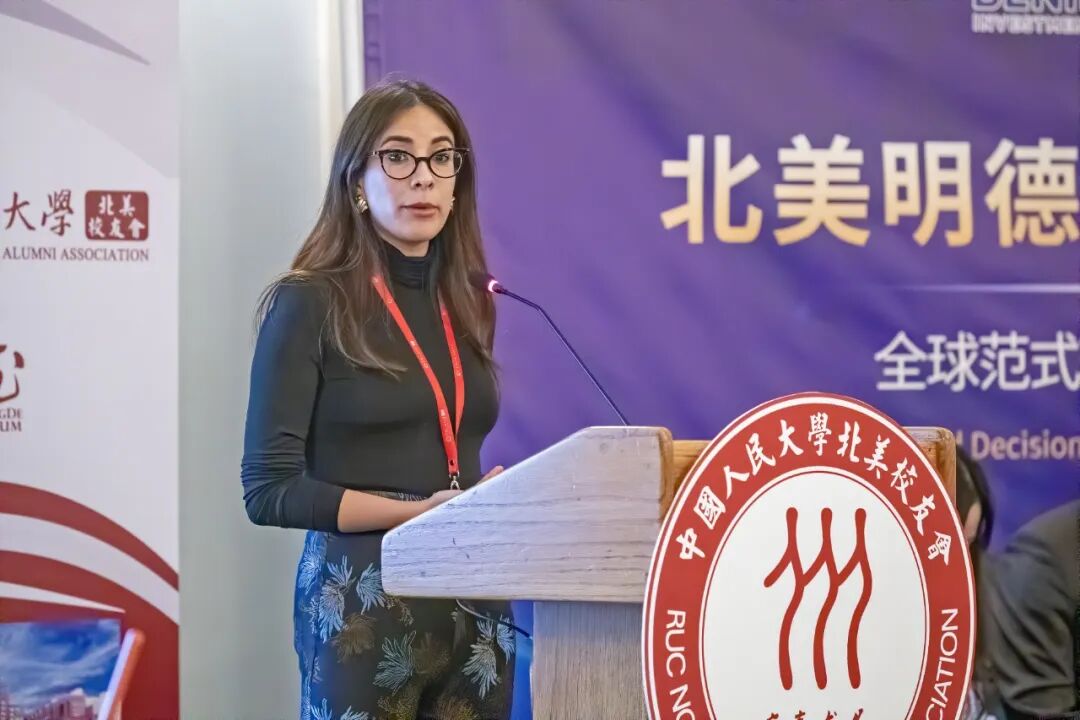
Moderated by Liu Yao, Assistant Professor at Columbia Business School, the panel featured Lü Yu, General Manager of ICBC USA; Huang He, Professor at the Sy Syms School of Business at Yeshiva University; Lin Xinwei, Managing Partner of Lingmei Investment Consulting; Geoffrey Sant, Partner and Co-Chair of the China Practice at Pryor Cashman LLP; and Regina Monje, Senior Manager at the United Nations Global Compact.
Key Takeaways
The panel examined the financial and compliance requirements for Chinese companies seeking to list in the United States, including registration and inspection procedures under the Public Company Accounting Oversight Board (PCAOB).
Differences between Chinese and U.S. financial reporting standards require companies to pay close attention to the Securities Act of 1933 and the Securities Exchange Act of 1934.
Chinese companies operating in the United States need to avoid common misconceptions and understand cultural differences, strengthen legal and compliance awareness, and communicate effectively with U.S. stakeholders rather than relying on a purely Chinese approach to doing business in the United States.
Drawing on examples including ICBC USA’s business operations and Haier’s acquisition of GE Appliances, panelists discussed how companies can manage cross-border settlements, conduct securities-related business, establish manufacturing operations, and develop their businesses in the United States.
Companies were encouraged to pay greater attention to ESG standards in order to enhance their competitiveness and sustainability in global markets.
Closing Remarks
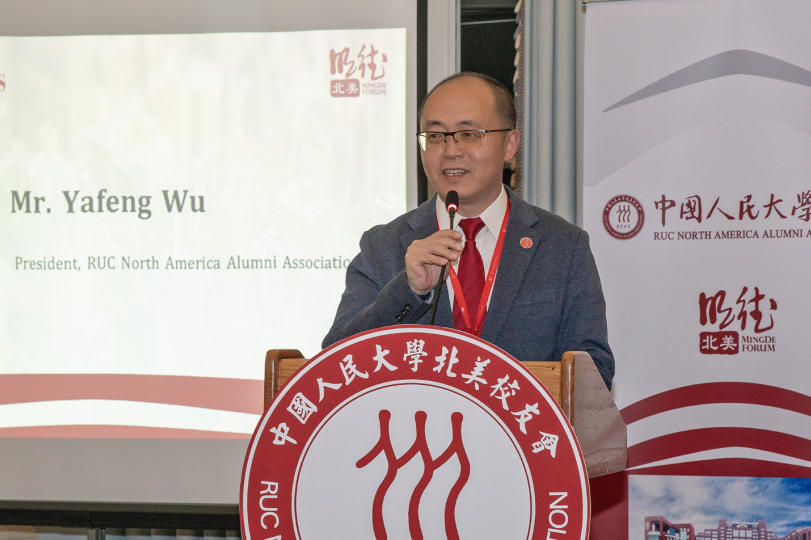
Wu Yafeng, President of the RUC North America Alumni Association, delivered the closing remarks on behalf of the association’s Council and the forum organizing committee.
As the founder and long-time steward of the Mingde Forum, Wu reflected on the forum’s growth over the past decade and the influence it has gradually built. Over the years, he said, the forum had evolved from a platform for alumni exchange into a cross-disciplinary and cross-sector hub for the exchange and collision of ideas.
He expressed hope that this year’s forum would not only help participants better understand the evolution of the global landscape, but also inspire them to make more informed and rational judgments and decisions in their future work and lives.
As the tenth annual forum came to a successful close, Wu extended his sincere appreciation to all the speakers, volunteers, and alumni who had participated in and supported the event. He noted that it was their sustained efforts and enthusiastic contributions that had enabled the forum to grow and develop, while creating a bridge for communication and cooperation between Chinese scholars and business professionals.
Looking ahead, Wu expressed his hope that alumni and friends would continue to work together to take the Mingde Forum into its next decade of growth and development.
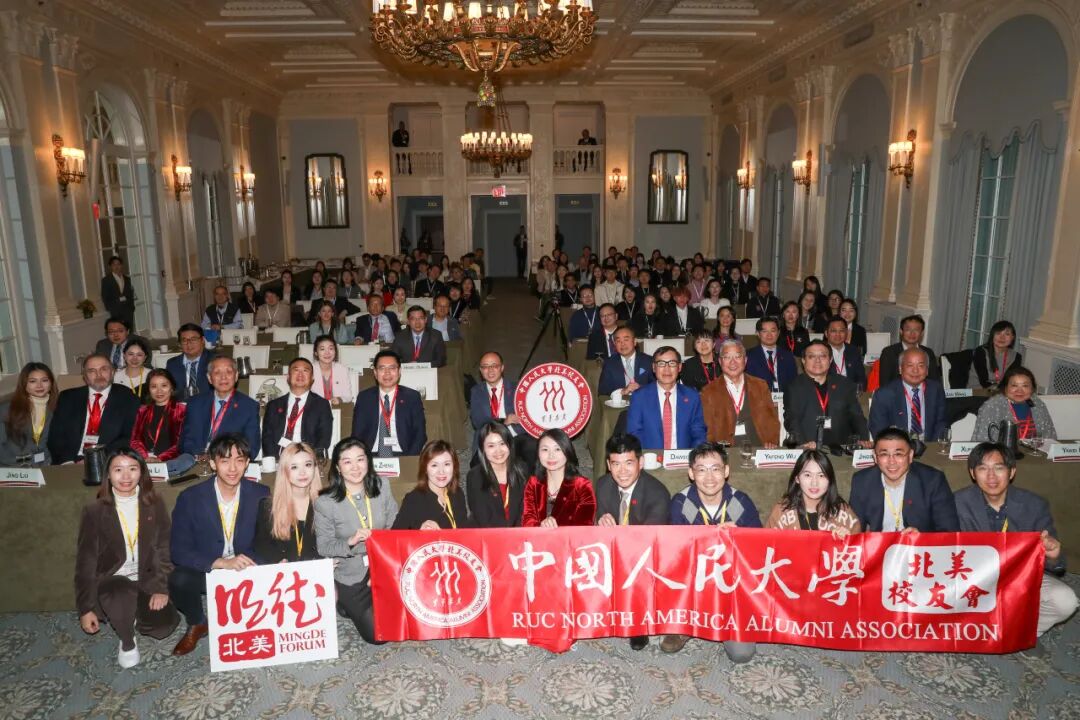
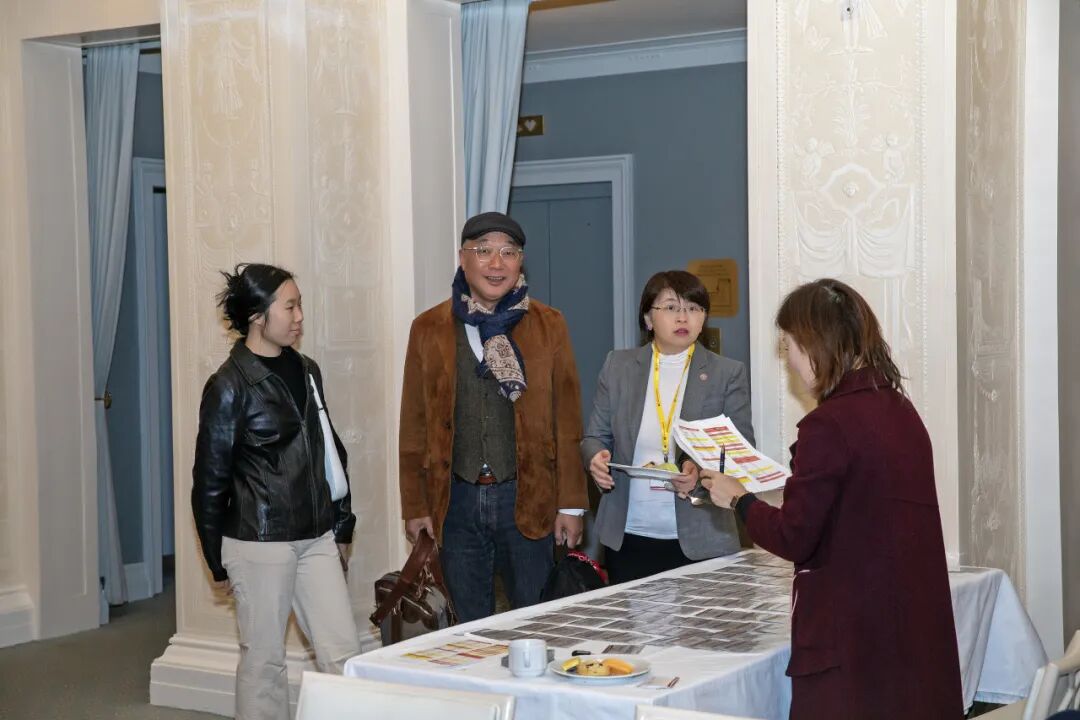
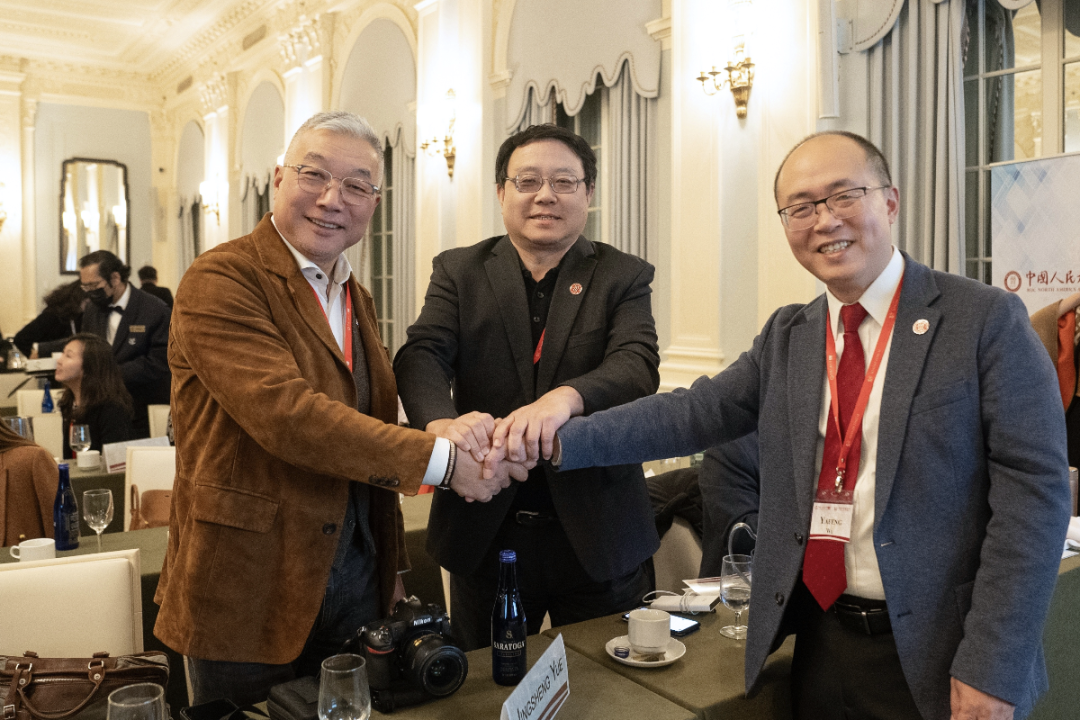
Following the conclusion of the forum, speakers and attendees gathered in the venue for continued discussion and exchange, with many reluctant to leave.
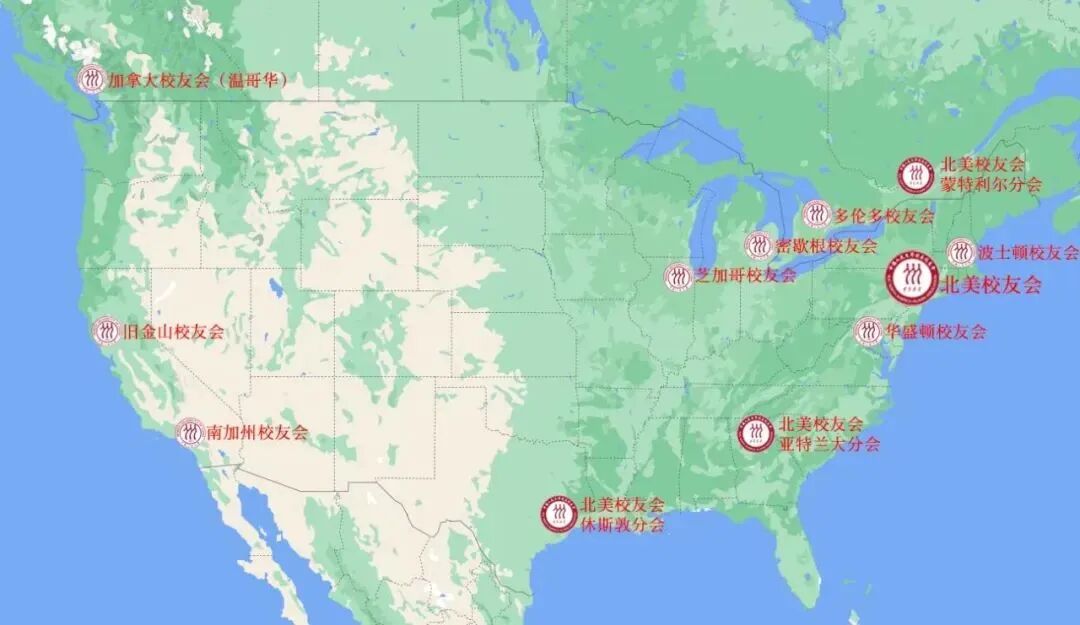
Liu Jing, Vice Chair of the RUC North America Alumni Association; Council Members Yue Jingsheng, Li Xufeng, Liu Xiaona, Tian Tian, Lin Ping, Xu Junjun, and Zhu Hongjie; Alternate Council Member Huang Beiqing; and Council Secretary Chang Jieya, along with members of the management teams of the New York, Atlanta, Houston, and Montreal chapters, also attended the forum and contributed to the event in various capacities.
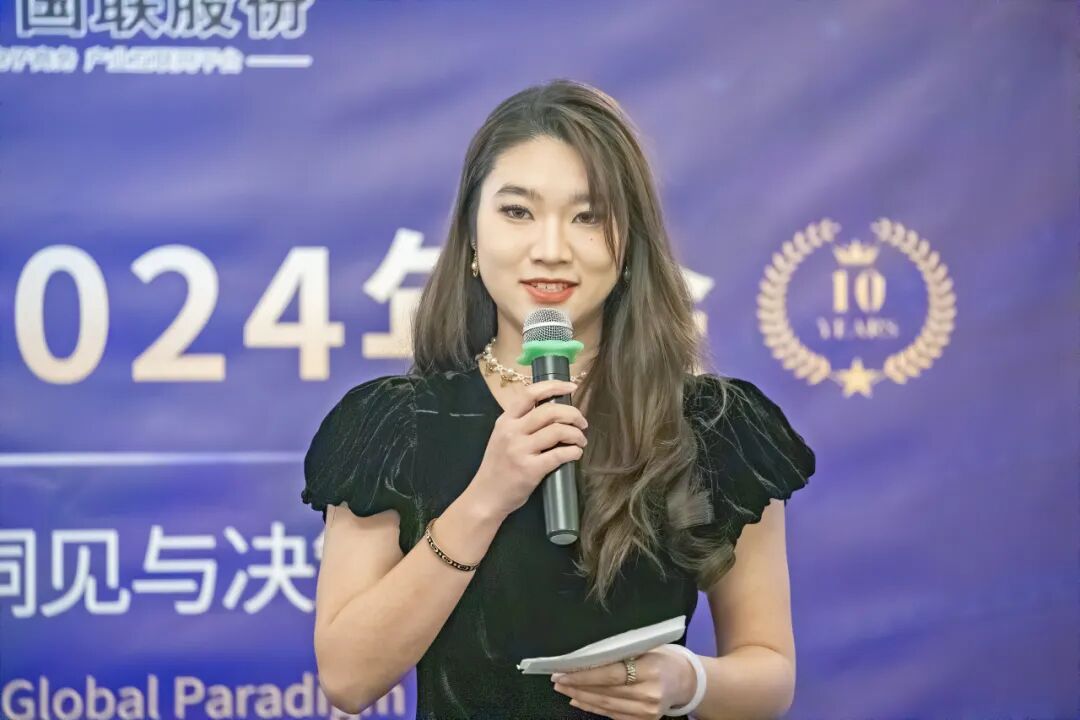
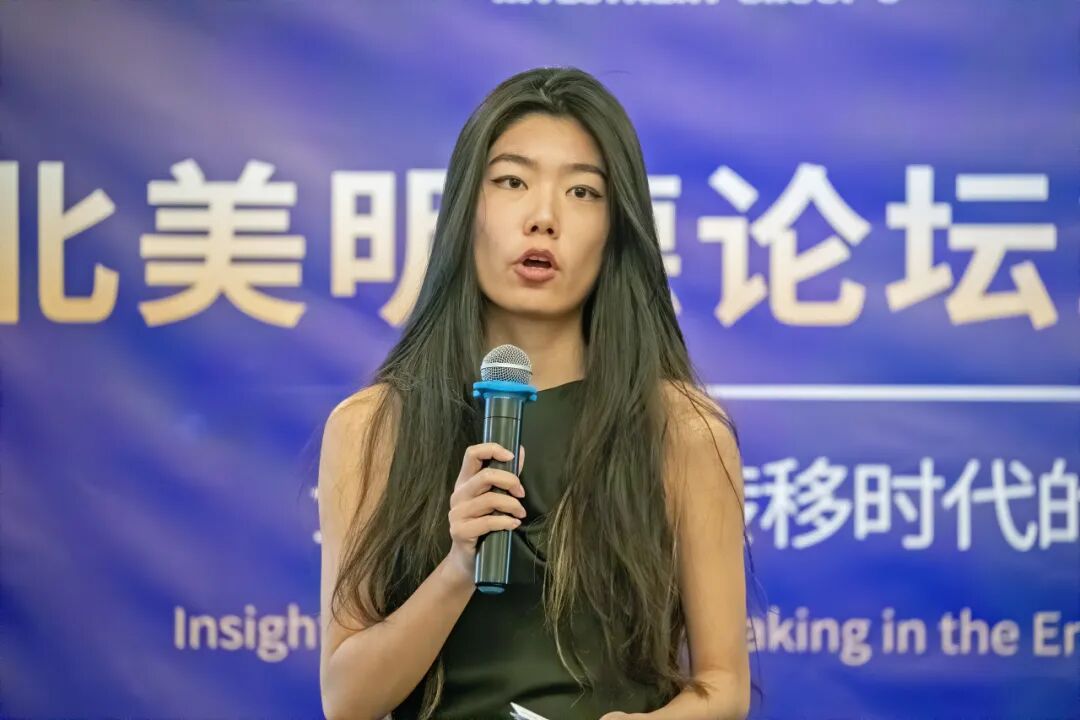
Representatives from the alma mater included Qin Bo, Associate Dean of the School of Public Administration; Peng Chunling, Professor at the School of History; and Liu Yao from the Office of International Affairs. The annual forum was moderated by RUC second-generation alumni Benni Mei Lun and Ding Xingyue.
The Mingde Forum 2024 received enthusiastic support and attention from RUC alumni and friends from across society. Alumni-founded companies and organizations—including Benimax Investment Group, Beijing United Information Technology Co., P&P Foundation, Qidong Baiyuan Howard Johnson Hotel, and Yue Jingsheng Insurance Agency—generously provided financial support for the forum. Hanling Consulting and Yinglian Capital also took the initiative to support various aspects of the preparations, helping ensure the smooth organization of the annual meeting.
Hurun Report and Sina Finance served as media partners, while Columbia University's China Summit and the University of Pennsylvania's Wharton China Summit served as academic partners, significantly expanding the forum's outreach and visibility.
In addition, alumni enthusiastically joined the forum's organizing and volunteer teams, becoming an integral and especially vibrant part of the event.
Written by: Zhang Yong
Reviewed by: Wu Yafeng
Mingde Forum 2024 Organizing Committee
Advisors: Dawson Lee, Li Shanquan, Yue Jingsheng, Liu Quan, Liu Jing, Li Xufeng
Chair: Wu Yafeng
Vice Chairs: Zhang Shu, Huang Beiqing
Committee Members: Chang Jieya, Han Zhengyuan, Li Qian, Li Yang, Lu Cuili, Tian Tian, Wang Guoli, Wang Peng, Wu Jingyu, Xu Junjun, Yang Guang, Zhang Yong, Zhu Hongjie
Volunteers: Marilyn Ben, Cynthia Ding, Jin Yan, Liu Bangdi, Ma Lanming, Jenny Zou
Lead Sponsors


Gold Sponsors
Silver Sponsors
Supporting Partners


Media Partners


Academic Partners