Mingde Forum 2020 Held Online
Dec 14, 2020 · 1 view
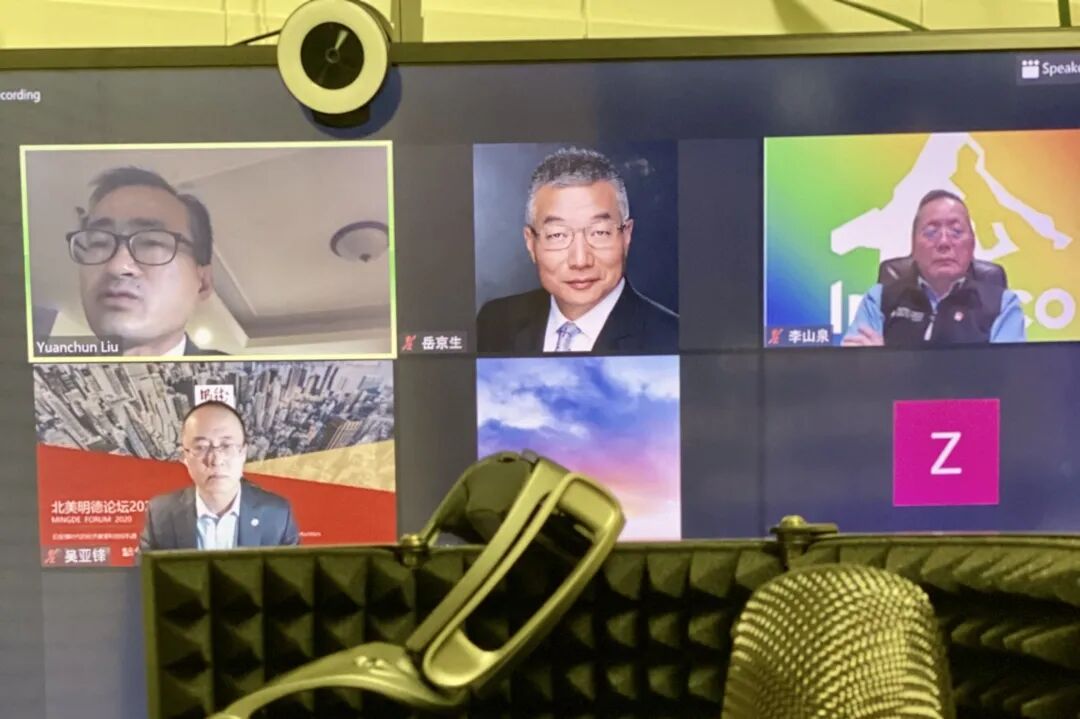
From December 11 to 12, 2020, U.S. Eastern Time, Mingde Forum 2020, a signature program of the RUC North America Alumni Association, was successfully held online via webinar. Liu Yuanchun, Vice President of Renmin University of China, delivered a keynote address on the outlook for China's economy in the post-pandemic era and conveyed the University's congratulations on the successful opening of the Forum.
Mingde Forum is an open and international platform created by the RUC North America Alumni Association that seeks to balance academic depth with practical relevance. It was launched in New York in October 2015 and officially named Mingde Forum in November 2016. The 2020 meeting marked the Forum's sixth consecutive annual meeting and its first experience with an online webinar format during the extraordinary circumstances of the COVID-19 pandemic. The virtual format broke through the geographic constraints of an in-person event, significantly expanding the reach of participating alumni across different regions and achieving highly positive results.
The theme of this year's Forum was “Economic Outlook and Venture Investment Opportunities in the Post-Pandemic Era.” Four senior executives from the financial and investment sectors—Li Shanquan, Class of 1982, Senior Portfolio Manager at Invesco; Micheal Ning, Class of 1993, Managing Director at MacKay Shields; Ji Mo, Class of 1999, Chief China Economist at AllianceBernstein; and Cen Ming, Class of 2001, Head of Investment Strategy at Vassalou Capital Management—offered in-depth analysis of the global economic outlook and asset allocation in the post-pandemic era.
On venture investment, Dawson Lee, Class of 1982, President of Benimax Investment Group; Wu Gang, Peking University alumnus and Chairman of DoubleBridge Group; Hu Bo, Class of 1998, Associate Professor at the School of Finance, Renmin University of China; Liu Quan, Class of 1998, Chairman of Beijing United Information Technology Co.; and Liao Junxia, Class of 1999, Managing Partner of Yixin Private Equity Fund of Funds, shared their entrepreneurial experiences and engaged in lively discussions on venture capital and entrepreneurship.
Wu Yafeng, President of the RUC North America Alumni Association, and Liu Jing, Executive Vice President of the Association, moderated the two sessions respectively. Yue Jingsheng, Chairman of the RUC North America Alumni Association, delivered the opening remarks.
Three Keywords for China's Economy
In his keynote address, Vice President Liu Yuanchun said that three keywords would be essential to understanding the outlook for China's economy in the coming year.
1. Recovery
The first keyword was “recovery.”
Liu said that if China continued to keep the pandemic under control, it was highly likely that the Chinese economy would enter a more normalized recovery process in 2021. Economic growth had accelerated in the fourth quarter, and endogenous growth momentum for the first and second quarters of the following year was already emerging. At the same time, the second wave of COVID-19 overseas was supporting stronger-than-expected external demand.
More importantly, policy would remain a key factor. With the continued implementation of policies designed to stabilize employment, finance, foreign trade, foreign investment, domestic investment, and expectations, as well as policies to ensure employment, basic livelihoods, market entities, food and energy security, stable supply chains, and the normal functioning of society, the pace of policy withdrawal in 2021 might be more limited than expected, helping sustain economic recovery during the first half of the year.
“In terms of growth next year, we expect it to be around 8.1%,” Liu said.
Although uncertainties remained regarding the global economic recovery and China-U.S. relations, he believed that a global economic turnaround would continue to provide significant support for China's external demand.
Once the pandemic ended, countries would likely reorganize their industrial and supply chains, potentially triggering another wave of deglobalization. China's strategy of establishing a new development paradigm with the domestic economic cycle as the mainstay was, importantly, intended to provide a counterbalance to these forces.
As for China-U.S. trade tensions, Liu said that “the story may be much more manageable for China at this point than it appears from overseas.” He described his outlook for the impact of future China-U.S. relations on China's economy as “cautiously optimistic,” noting that China's strategic preparations in a number of areas had been quite targeted.
2. Withdrawal of Extraordinary Policy Support
The second keyword was the “withdrawal” of extraordinary policy measures.
Liu noted that governments had introduced a range of extraordinary measures in response to the pandemic. These policies had played an important role under exceptional circumstances, but prolonged use could create a series of unintended consequences.
As the economy continued to recover in 2021, the withdrawal of these extraordinary policies would therefore become a central topic of discussion.
“What is important is that policy will not be withdrawn across the board,” Liu said. “The core transition will be from extraordinary expansionary policies to normalized expansionary policies.”
In other words, the overall expansionary policy orientation would remain unchanged in many areas, as would the strategic focus on expanding domestic demand, but the specific tools and methods would undergo significant changes.
3. Implementation of the New Strategy
The third keyword was the “implementation” of the new strategy.
2021 would be the first year of implementing China's 14th Five-Year Plan, with the new development paradigm at its core.
Liu identified several important strategic pillars of the new development paradigm, including achieving greater self-reliance and strength in science and technology, upgrading China's industrial foundations, and modernizing industrial and supply chains.
Another important strategic priority would be expanding domestic demand. Compared with the short-term demand-expansion measures of the past, the new round of domestic demand expansion would involve a substantially different policy mix.
“At the institutional, structural, macroeconomic-policy, industrial-policy, regional-policy, and employment-policy levels, we will form an integrated policy framework,” he said.
“The domestic economic cycle as the mainstay will be a central theme for China in the period ahead,” Liu said.
He also stressed that considerable uncertainties would remain in 2021, stemming from pandemic control, the global economic recovery, the evolution of China-U.S. tensions, and the frictions and pace of transition associated with China's own economic and strategic transformation.
“Think Positively”
The four speakers in the first panel were all seasoned professionals in financial investment. They shared their views on the global outlook, with particular attention to the economic and market prospects of China and the United States. Their discussion broadly echoed Liu Yuanchun's relatively positive assessment of China's economy.
Ji Mo, Chief China Economist at AllianceBernstein, said China had been “first in, first out” of the COVID-19 crisis, helping drive the global economic recovery. With China's vaccine development progressing smoothly, she believed China could achieve widespread immunity sooner than many other countries.
“This means that China's economy itself will remain ahead in the recovery in 2021,” she said. This would provide support for Chinese assets, and she expected Chinese equities, bonds, and currency investments to generate “very promising” returns.
“China is now setting an example for the world,” said Cen Ming, Head of Investment Strategy at Vassalou Capital Management.
Micheal Ning, Managing Director at MacKay Shields, said that from the perspective of China-U.S. relations, the Biden administration would likely continue to view China through the lens of strategic competition, but many of its approaches could be more constructive and positive.
As a result, he said, some of the risk premium attached to Chinese assets could decline.
“We should look at China-U.S. assets from a positive perspective,” Ning said. “Investors should look to the future—think positively.”
Li Shanquan, Senior Portfolio Manager at Invesco, noted that with the pandemic still uncontrolled in many countries and lockdowns continuing in numerous places, it was premature to talk about growth elsewhere. China, by contrast, had largely avoided major disruption.
“I have always been very positive on China,” he said. “Why? Let me give you one basic reason: China's labor force is among the highest-quality labor forces in the world.”
He added that if China continued to invest in education and human development while maintaining investment in other areas, “China will absolutely have a very bright future.”
Turning to the U.S. policy and economic outlook, Ning said that if Republicans retained control of the Senate by a narrow margin, major components of the Biden administration's economic agenda could face significant obstacles. While this might not materially affect the ongoing economic recovery, a divided government would create greater downside risks.
The Federal Reserve, meanwhile, could remain accommodative and continue expanding its balance sheet, with monetary policy likely to remain supportive of the government's broader economic objectives.
Ji also believed that the room for fiscal stimulus was limited, both in the United States and elsewhere. China, too, would likely provide less fiscal stimulus in 2021 than in 2020, which could weigh on overall GDP growth.
“When the room for fiscal stimulus is limited, the only remaining avenue is central-bank stimulus,” Ji said. “Central-bank stimulus therefore becomes the only effective support for asset prices in 2021.”
But such stimulus also carried risks.
“With stimulus on this scale, if everything proceeds smoothly and nothing goes wrong, the rebound in the economy should be very strong,” said Li Shanquan, who had nearly 30 years of investment-management experience on Wall Street. “However—remember that however—if something goes wrong somewhere and the stimulus fails to produce the expected results, it could be a disaster.”
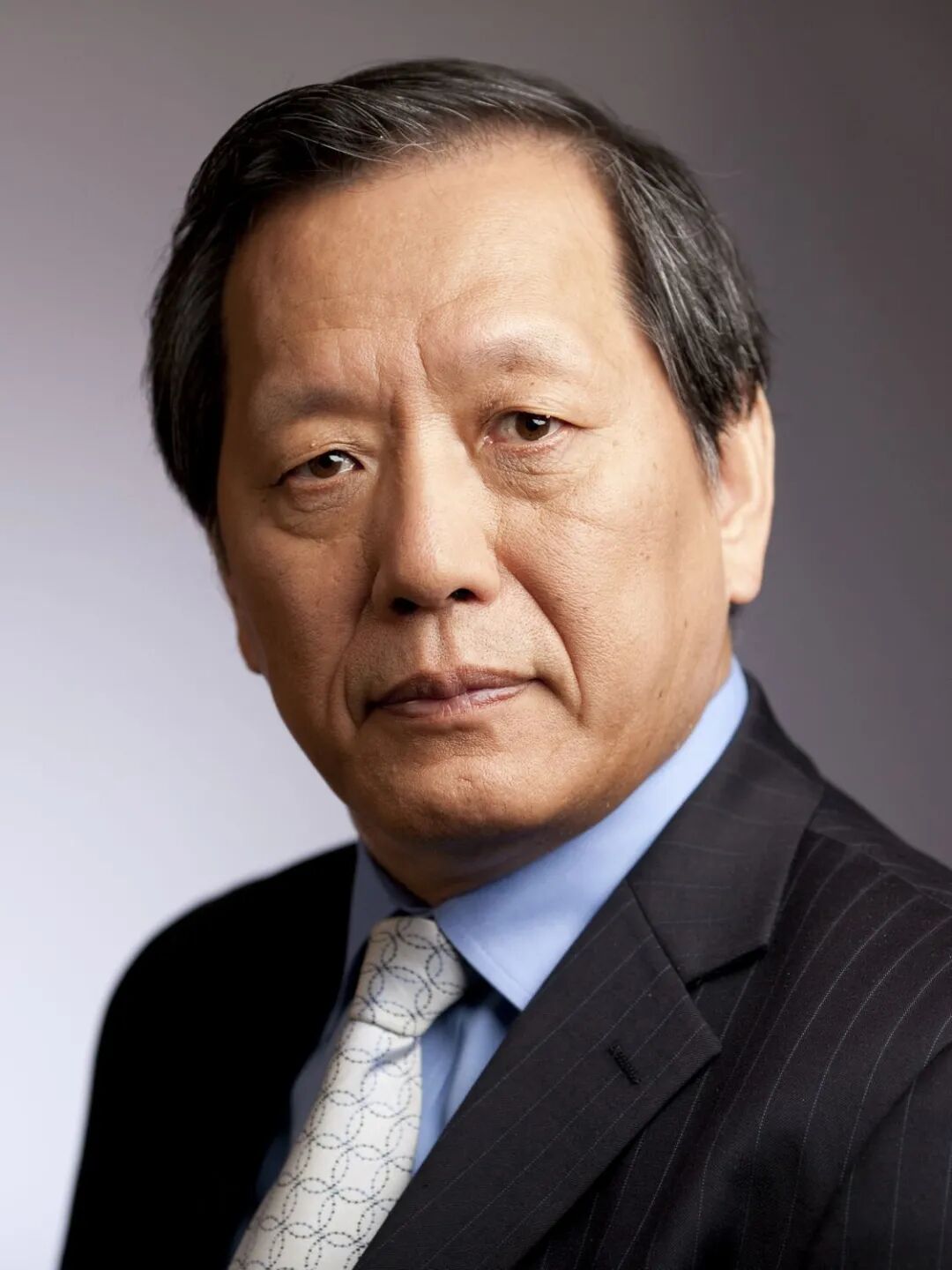
Li Shanquan
The Trump phenomenon was, in his view, a product of the accumulated contradictions in American society. It was important not to develop unrealistic expectations that the Biden administration would bring fundamental breakthroughs across the board. The influence of the Trump phenomenon would continue, including its impact on the Republican Party, the Democratic Party, and the broader political and media landscape.
Given these considerations, he advised against overly simplistic forecasts about the United States and emphasized that uncertainty would remain a major feature of the country's future.
When forecasting and analyzing economic issues, people should rely on basic principles. Comparative advantage remains the foundation of international trade. As long as comparative advantages exist, cross-border trade will continue to exist. Political and national-security considerations can influence trade, but fundamental economic principles remain.
Without changing the underlying combination of production factors and incentives, policies aimed at forcing companies to comply with a particular legal framework or bringing manufacturing back to the United States could only have limited and temporary effects rather than becoming a lasting solution.
Under multi-objective decision-making, trade-offs are inevitable. There is often no single optimal solution to real-world problems; instead, policymakers and businesses must balance competing objectives.
As the amount of information available to people continues to grow, it is increasingly important to exercise independent judgment and avoid being misled by distorted information. As society becomes more complex, strengthening one's ability to observe and analyze problems becomes increasingly important.
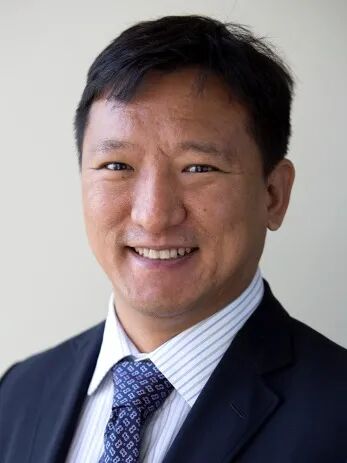
Micheal Ning
His baseline forecast was that Biden would win the election and preside over a relatively weak government, while Republicans could retain narrow control of the Senate. Major components of Biden's economic agenda could therefore face difficulty being implemented. Although this would not necessarily disrupt the economic recovery, a divided government could create greater downside risks.
Historically, U.S. presidents have generally relied on technical experts to formulate economic policies, helping preserve a degree of continuity in fiscal and monetary policy. Although the two parties alternate in power, U.S. fiscal and monetary policy has maintained a significant degree of continuity.
Biden was expected to appoint the highly respected Janet Yellen as Treasury Secretary, potentially marking a return to a period in which technocrats played a central role in economic policy. Combined with Republican control of the Senate, this could bring fiscal policy back toward a more traditional framework, with significant implications for the economy and capital markets.
The Federal Reserve was likely to remain accommodative, with further balance-sheet expansion appearing difficult to avoid.
Following a recession, the dollar would typically experience a period of weakness, followed by a steepening yield curve. He believed this episode would likely follow a similar pattern, and the market had already largely priced in this expectation.
Investors should nevertheless be cautious about the consensus view of a weaker dollar. The dollar had already declined significantly, while in recent decades Democratic administrations had often coincided with a stronger dollar. “For major powers, exchange rates are influenced by politics; for smaller countries, they are influenced more by fundamentals.” If the U.S. economy recovered and international relationships improved, Democrats could return to a policy mix characterized by a larger government and a stronger dollar.
U.S. breakeven inflation rates had risen substantially, while energy, industrial metals, and agricultural commodity prices had also increased, indicating a clear recovery in inflation expectations. Some increase in inflation during an economic recovery was reasonable, but a dramatic rise was unlikely. In theory, inflation is a manifestation of an overheated economy, which requires the economy to remain above normal capacity for an extended period. In technical terms, this would mean a persistently positive GDP output gap. Before the U.S. output gap was closed, the conditions for sustained high inflation were not yet in place.

Ji Mo
COVID-19 would continue to dominate the global economy in 2021, with vaccines becoming one of the most important factors shaping the economic outlook.
Markets were overlooking two issues: the durability of vaccine effectiveness and the number of people who might resist vaccination. She believed market expectations for widespread immunity were overly optimistic. The global economy in 2021 would therefore continue to be closely intertwined with the pandemic and vaccine rollout.
“Rescuing the market”: Because the economy would already be recovering and vaccines would be available, widespread market volatility would be less likely. The Federal Reserve would therefore have less reason to intervene to rescue financial markets, and a broad-based surge across asset prices would be less likely.
“Rescuing the economy”: When fiscal stimulus became constrained, central-bank stimulus would become the primary source of support, making it an important pillar for asset prices in 2021.
U.S. equities: The Federal Reserve was unlikely to begin raising rates until 2022. From then through 2021, U.S. equities could continue to move upward amid volatility. The S&P 500 could relatively easily exceed 4,000 points, but 4,500 would be much less likely unless the Federal Reserve provided exceptionally strong stimulus.
U.S. Treasuries: The global economy in 2021 would likely remain characterized by low growth and subdued inflation, supporting strong bond markets. The 10-year U.S. Treasury yield could hover around 1%, with a move above 1.5% or 1.75% considered unlikely. In the event of a major shock, yields could instead fall below 0.5% or even briefly approach zero.
Oil: The global oil market faced a major supply crisis alongside a smaller demand crisis. Oil prices were unlikely to break decisively above $70 per barrel, and could instead continue declining because of weak demand.
The U.S. dollar: The U.S. economic recovery in 2021 would likely remain difficult, while the policy legacy of the Trump administration would be difficult for Biden to unwind. A weaker dollar was therefore viewed as likely.

Cen Ming
COVID-19 remained extremely serious, with new cases continuing to rise. China was an exceptional case, having brought the virus under control remarkably quickly in February and March 2020 without subsequently experiencing a large-scale outbreak. By contrast, the situation in the United States and many European countries had continued to deteriorate.
The rapid market rebound had two major drivers. First, investors expected the economic impact to be temporary and anticipated a relatively rapid recovery in economic fundamentals. Second, and more importantly, investors expected continued government support, including accommodative monetary policies by central banks and fiscal support. Vaccines represented another major factor.
The sectors hardest hit by COVID-19 were services, including restaurants, leisure and entertainment, retail, and tourism. Once the virus was brought under control, these sectors could recover rapidly toward pre-pandemic levels and might even experience short-term shortages of supply. Pandemic beneficiaries—including healthcare, remote work, remote education, online shopping and food delivery, and home improvement—could retain some of their gains because they had introduced new ways of working, studying, and living.
Consumer discretionary and telecommunications had continued to show strong growth. After declining during the pandemic, they rebounded quickly and reached new highs, with further growth expected.
Energy and airlines experienced sharp declines during the pandemic and only limited rebounds until the effectiveness of vaccines was announced. Once the pandemic was brought under control, these sectors could have considerable room to recover.
The U.S. stock-market sentiment indicator, the put-call ratio, had reached its most bullish level in 20 years, suggesting that investors had shifted their attention from short-term uncertainty toward expectations of a global recovery in 2021.
One point nevertheless deserved attention: even when fundamentals broadly improve and the economy recovers, fundamentals and stock prices do not always move in lockstep. If stock prices have already priced in expectations, a reversal in the underlying factors can trigger a large-scale rush in the opposite direction.
Once vaccines became widely available and the virus was brought under control, a strong economic rebound could reduce downward pressure on the dollar and increase upward pressure. If inflation increased, however, downward pressure on the dollar could return.
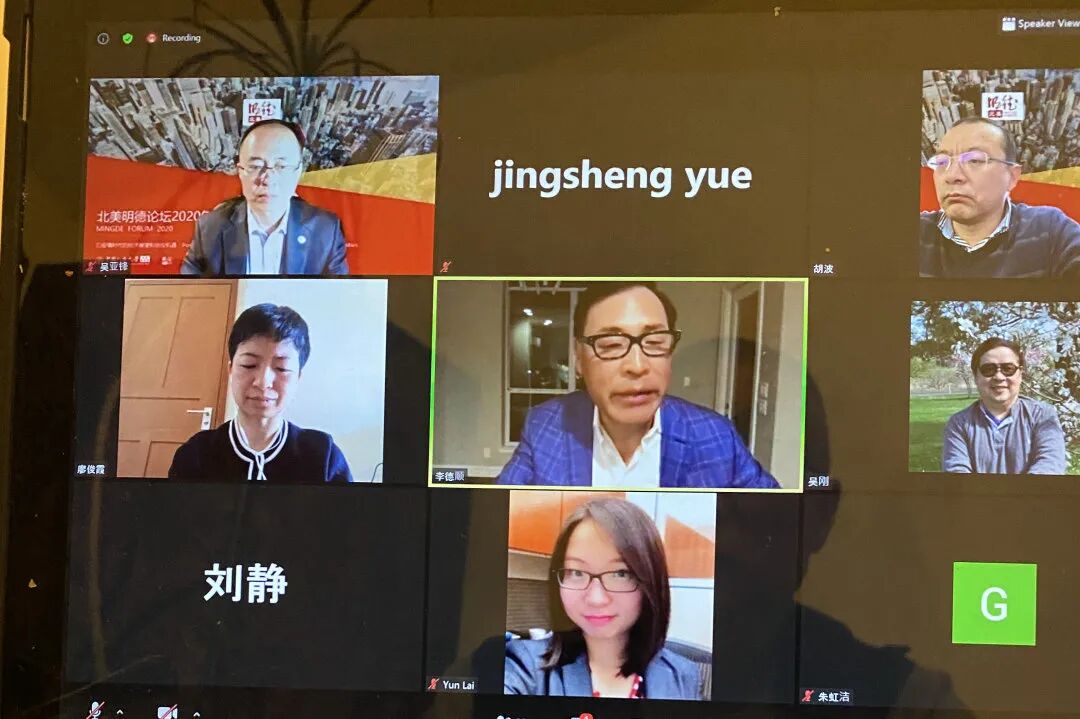
Focus, Respect, and Learning
In the discussion on “Venture Investment Opportunities in the Post-Pandemic Era,” entrepreneurs Dawson Lee, Wu Gang, and Liu Quan shared their entrepreneurial journeys and lessons with fellow alumni. For all three, focus, respect, and a commitment to continuous learning were common elements of their entrepreneurial experience.
“In the course of entrepreneurship, you will encounter all kinds of difficulties. You must persevere,” said Dawson Lee, President of Benimax Investment Group. “You have to see it through to the end. Many successful entrepreneurs share this willingness to endure hardship and persist.”
Wu Gang, Chairman of DoubleBridge Group, also emphasized the importance of focus.
“When you decide to do something, you need to do it well and take it to the extreme. That is the most important thing,” he said.
He also stressed the importance of respect:
“Respect the market. Respect objective rules. Respect your partners, your investors, and your customers. If you genuinely respect them and treat them as partners, working together to solve the problems you encounter, you can find solutions to almost any problem.”
Liu Quan, Chairman of Beijing United Information Technology Co., placed particular emphasis on learning. He said that the book Value, written by fellow RUC alumnus Zhang Lei, was currently on his desk and that he had already read it three times.
“Continuous learning and the drive to improve are extremely important in entrepreneurship,” Liu said. “Learning accompanies a company throughout its entire journey. As we grow, continually absorbing the best from others is a fundamental source of growth for both individuals and businesses.”
Hu Bo and Liao Junxia, approaching the subject from the perspectives of industry research and professional investment, respectively, provided aspiring entrepreneurs with practical advice supported by extensive data and case studies.
Associate Professor Hu Bo introduced alumni to China's innovation and entrepreneurship support policies at both the national and local levels. He summarized the government's overall approach as “invest early, invest small, invest in technology, and invest for the long term.”
For alumni considering returning to China to start a business, he suggested incorporating these principles into their plans—for example, returning at a relatively early stage and pursuing technology, technology applications, or commercialization of technological achievements, where investment opportunities might be more readily available.
Liao Junxia, Managing Partner of Yixin Private Equity Fund of Funds, has long worked in venture investment. At the Forum, she provided a detailed overview of the characteristics of early-stage financing in China's private-equity market, including industry sectors, founders' educational backgrounds, business models, entrepreneurial locations, sources of startup capital, and common challenges.
She offered three suggestions to prospective entrepreneurs: choose the right industry and entry point; choose the right partners, including the management team and capital partners; and choose the right location, taking into account social resources and industrial supply chains.
In particular, she urged alumni to think carefully about whether they should “go all in” on entrepreneurship.
“Throughout this process, you need to make a more rational assessment of your capabilities within your industry and field,” she said.
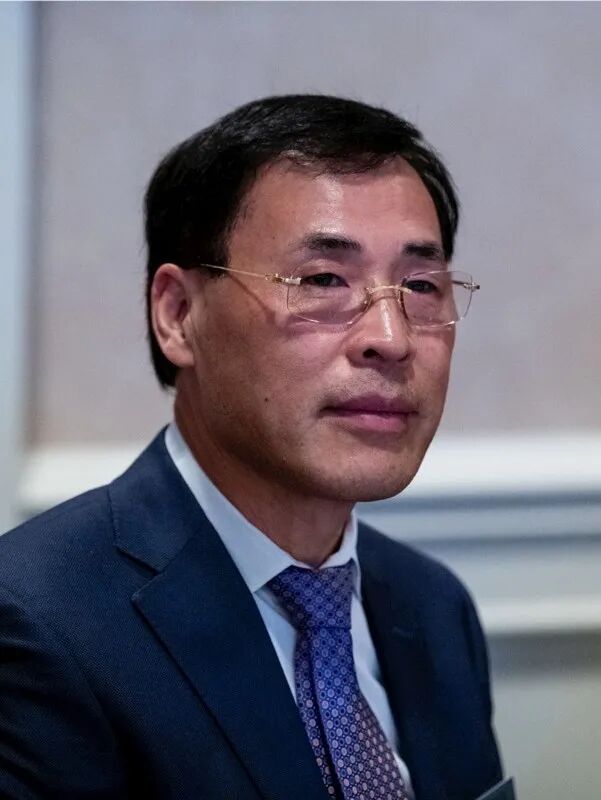
Dawson Lee
Entrepreneurship inevitably involves difficulties, and perseverance is essential. Many entrepreneurs share the willingness to endure hardship and stay the course.
The education received at Renmin University taught alumni a method of learning: read, study how successful people operate, learn from their experience, and apply those lessons in practice to gradually build better businesses.
The collapse of Danke Apartment was partly related to the fact that China's long-term rental apartment industry was relatively new and its regulatory framework was still developing, leaving room for significant loopholes. By comparison, rental markets in North America and Europe are subject to more established laws and regulations. In the United States and Canada, landlords generally do not collect an entire year's rent upfront; security deposits are typically limited and subject to specific rules. A more developed regulatory framework can reduce the likelihood of situations in which operators collect large amounts of rent and then disappear.
The pandemic had a significant impact on U.S. real estate, particularly office buildings, shopping malls, and senior-living facilities. Rental apartments were relatively stable, while single-family homes were less affected and sales increased substantially during the year.
Hotels could be among the fastest sectors to rebound after the pandemic. During the pandemic, hotel occupancy fell sharply, forcing some properties into bankruptcy, auction, or sale. As conditions improved, hotel values could recover rapidly.
Some of the faster-growing U.S. real estate markets were in the Southeast, such as Florida, and in the South and West, including Texas. Population migration—from north to south—was one factor, along with political conditions, tax policies, and the business environment.

Wu Gang
For entrepreneurs, the most important quality is focus. When you decide to do something, you need to do it well and pursue excellence.
Entrepreneurs rarely have a completely smooth journey. Every period brings different challenges. What matters at every stage is respecting the market.
Respect is the key: respect the market, objective rules, partners, investors, and customers. Treating them as partners and working together to solve problems makes solutions possible. The team is particularly important.
Investment depends on trends and the capabilities of founders, but he places particular emphasis on the quality of the team.
For today's generation, AI represents a major opportunity. The spillover effects of artificial intelligence could create significant opportunities for young people.
Regarding the eastward shift of entrepreneurial centers, he believed the future could involve two major economic spheres: one centered on China and another centered on North America. There would still be opportunities between the two, but their development paths could increasingly diverge. For young people, therefore, opportunities to operate between both sides might become more limited, making it increasingly important to establish a strong base in one sphere or the other. The opportunities and risks on each side are different.
The world today is different from 20 years ago. In the future, many business opportunities developed in China could potentially be replicated in the United States. If entrepreneurs can identify the right opportunities while adapting them to local conditions, there could be significant potential for growth.
China still has many areas where it needs to catch up, and those gaps themselves represent opportunities—particularly in industrial internet, domestic software and semiconductor development, and hard technology and infrastructure.
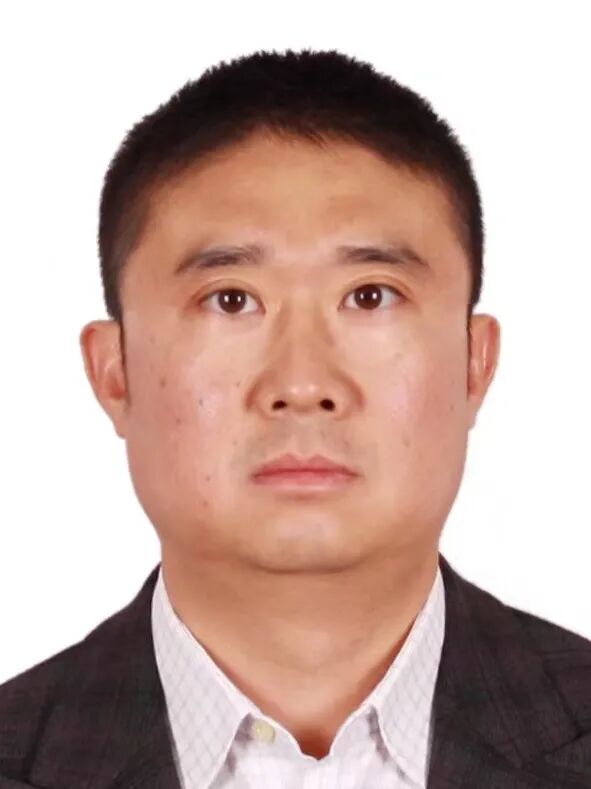
Liu Quan
Chinese companies have benefited from the broader growth of China's economy, and entrepreneurs should be grateful for the opportunities created by their times.
Entrepreneurship requires determination and persistence.
Identify the comparative advantages that fit one's own capabilities in different fields and amplify them.
Successful companies can begin through many different models and are not necessarily widely recognized at the outset. Their eventual success often reflects the persistence, determination, patience, and steady character of their founders.
Whether to remain in the United States or return to China depends on each individual's circumstances and comparative advantages.
Entrepreneurship is often best pursued while young, as the costs of taking risks can increase with age.
Continuous learning and self-improvement are essential. Learning accompanies a company throughout its development, and continuously absorbing the strengths of others is a fundamental source of growth for both individuals and businesses.
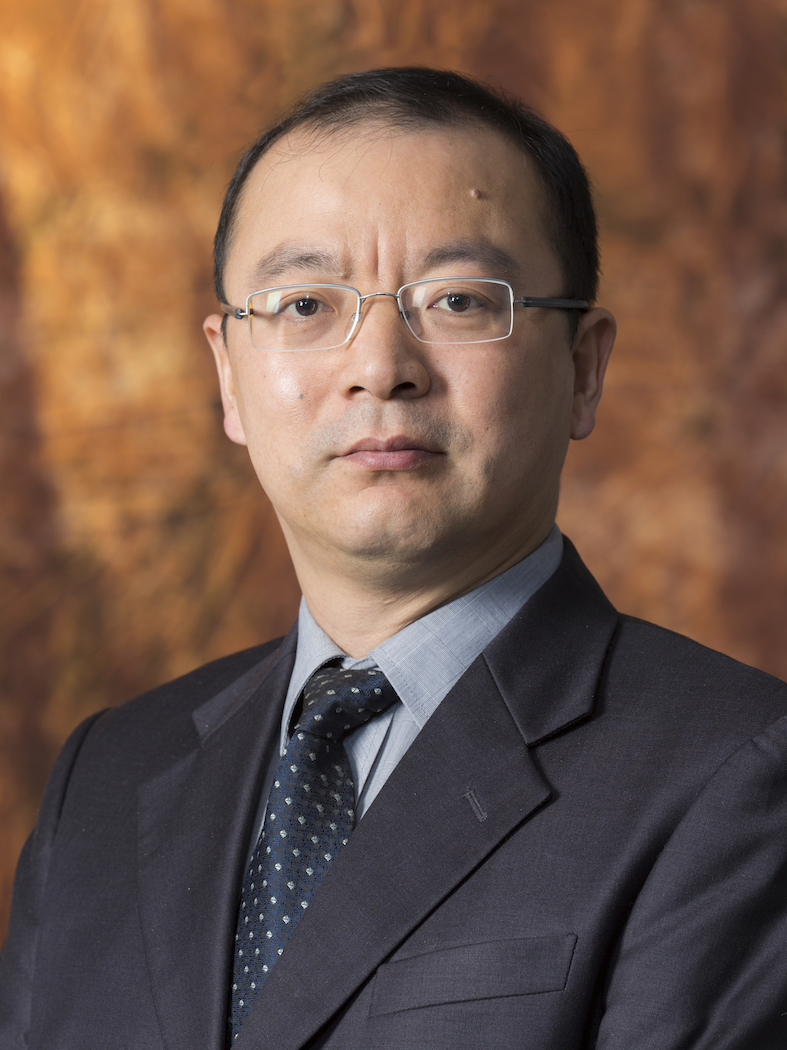
Hu Bo
Returnee entrepreneurs are attractive to China's investment community in several respects. First, technology-driven ventures with advanced technologies—especially technologies that have already been validated in overseas markets—tend to receive greater attention.
Second, founders' backgrounds matter. Investors in China may favor a “dark horse among the white horses”—entrepreneurs with strong educational backgrounds and experience at leading North American institutions can be particularly attractive to investors.
Governments have established numerous funds to support innovation and entrepreneurship, and many local governments view support for returnee entrepreneurs as an important component of the business environment. Beijing's Yizhuang, Hefei in Anhui, Nanjing in Jiangsu, and Chengdu in Sichuan, for example, have developed relatively comprehensive support systems for entrepreneurs returning from overseas.
Hainan also offers certain special national policies, including income-tax incentives and market-access opportunities in selected industries that may not be available elsewhere in mainland China.
China's overall innovation and entrepreneurship policy can be summarized as investing early, investing small, investing in technology, and investing for the long term. Alumni considering returning to China can incorporate these principles into their entrepreneurial plans.
Looking ahead, entrepreneurs do not necessarily need to chase the latest “hot trend.” It is more important to understand long-term industry trends.
The relationship between entrepreneurs and investors rests on several key principles: integrity, respect for contractual commitments, and establishing a common language.

Liao Junxia
Private-equity investment in China has been concentrated in venture and growth stages, while the proportion of early-stage investment has remained relatively small. As a result, raising venture capital at the earliest stage can be difficult.
IT and internet businesses have consistently represented an important share of financing. In recent years, semiconductors and telecommunications-related industries have grown relatively quickly, while entertainment and financial services have contracted significantly, largely due to regulatory changes.
More than 40% of entrepreneurs have overseas work or study experience, with the majority of that experience concentrated in the United States.
Entrepreneurs' academic backgrounds are concentrated in science and engineering, which together account for more than 50%. This aligns with the broader trend toward technology-driven entrepreneurship in China.
Entrepreneurial activity is concentrated in Beijing, the Yangtze River Delta, and the Pearl River Delta, in large part because these regions have mature industrial supply chains—particularly manufacturing supply chains—and favorable business environments.
For a startup's first round of financing, the traditional **3Fs—friends, family, and founders/angel investors—**remain among the most important sources of capital.
Serial entrepreneurs have significant advantages in managing capital, teams, and social relationships.
Her advice to entrepreneurs: first, choose the right industry and entry point. A small, focused business does not necessarily need venture financing, but if financing is required, entrepreneurs should choose an industry with a high ceiling for growth. Second, choose the right partners, including management and capital partners. Third, choose the right location, considering social resources and industrial supply chains.
Entrepreneurs should think carefully about whether to “go all in.” A more rational assessment of one's capabilities within a particular industry is essential.
Entrepreneurship can be a lonely journey, and entrepreneurs must be prepared to face failure.
Mingde Forum: See You Again and Again!
Mingde Forum is an open and international platform created by the RUC North America Alumni Association that seeks to balance academic depth with practical relevance. Six annual meetings had been successfully held by this point, earning broad recognition from alumni and the wider community.
Following the successful conclusion of Mingde Forum 2020, alumni expressed their appreciation while also saying that they wanted more. Many hoped that the Association would organize forums, salons, and lectures on a regular basis, providing opportunities to learn from one another, exchange ideas, broaden perspectives, and strengthen connections among alumni.
In response to this enthusiasm, the Association said it would give the request serious consideration. In 2021, it planned to make greater use of the convenience of online platforms to organize more alumni activities. Specific plans were under discussion, with initial developments expected in the near future.
Stay tuned, and more good news is on the way!
Cover and closing image design by Rui Wang