
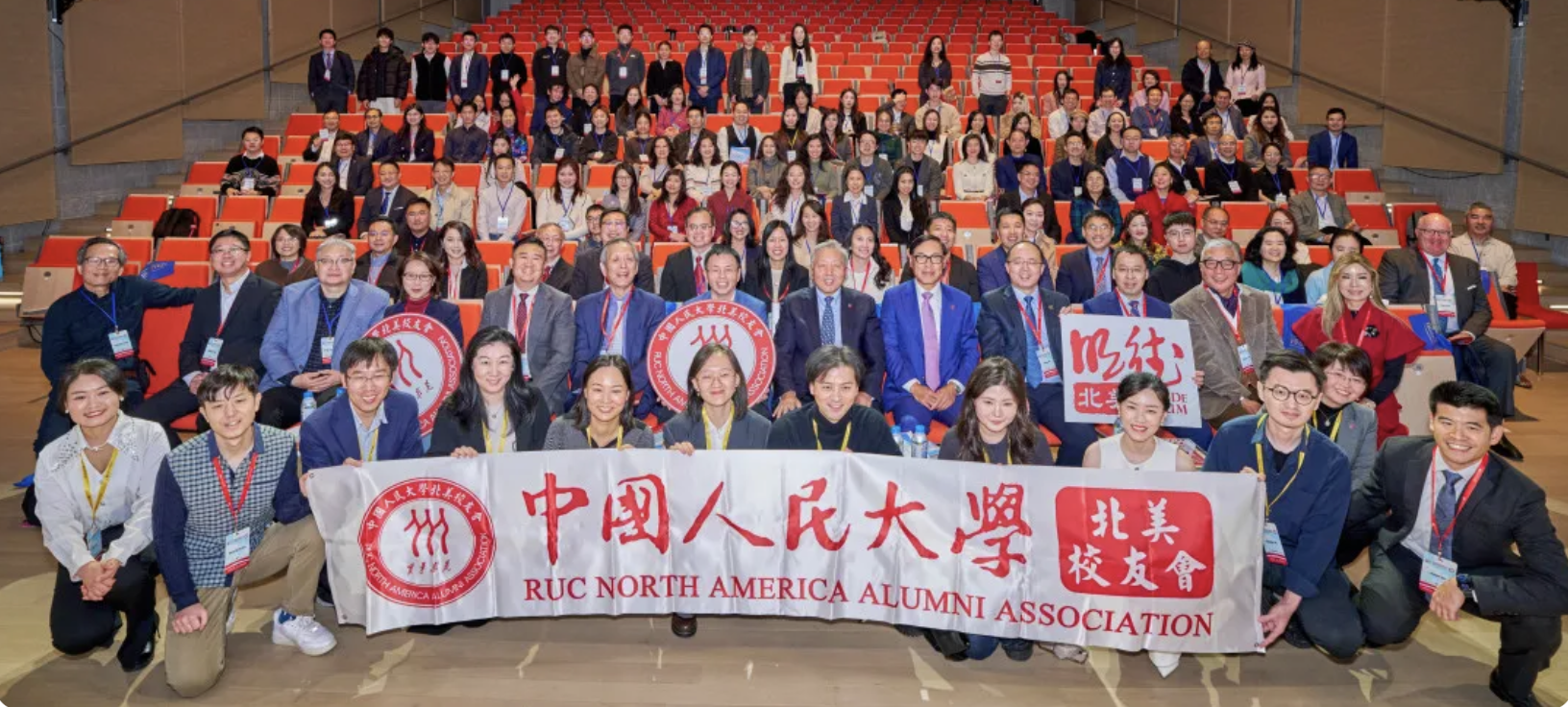
On November 15, Mingde Forum 2025, hosted by the RUC North America Alumni Association, was successfully held in New York.
Professor Wang Yi, Vice President of Renmin University of China, attended the forum on behalf of the University. Yu Yougen, Minister-Counselor for Education at the Consulate General of China in New York, delivered remarks. Professor Wu Xiaoqiu, renowned economist and former Vice President of Renmin University of China, delivered the keynote Mingde Lecture. Faculty representatives from the School of Finance and the School of Law, together with leading scholars and business professionals from North America and Asia, took the stage to share their insights and engage in discussion.
Alumni and distinguished guests from New York, New Jersey, Connecticut, Massachusetts, Pennsylvania, Washington, Georgia, Arizona, Texas, California, Canada, as well as mainland China and Hong Kong, gathered in Manhattan to witness the beginning of a new chapter as Mingde Forum embarked on its second decade.
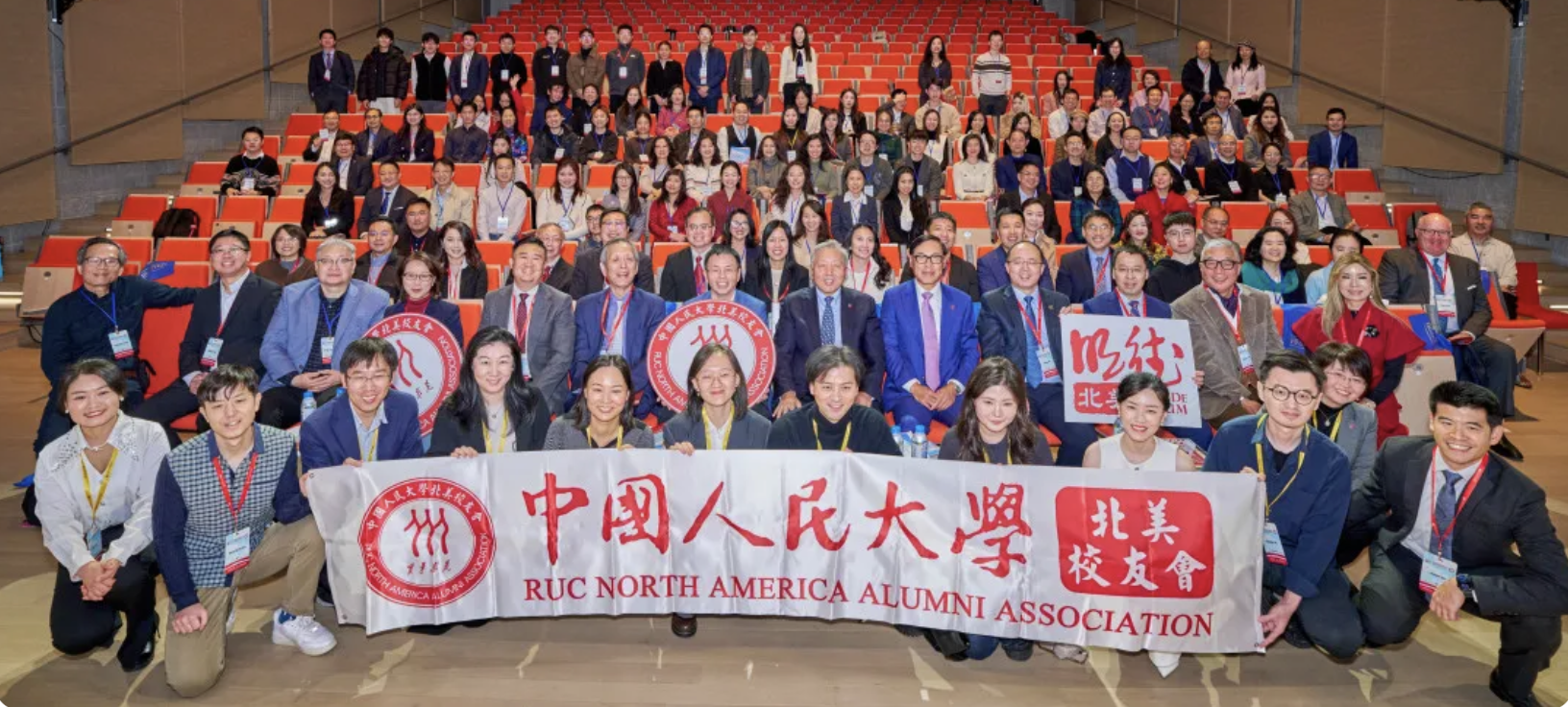
Founded by the RUC North America Alumni Association in 2015, Mingde Forum is a high-level forum brand that combines academic inquiry with practical perspectives while embracing openness and diversity. Over the years, the Alumni Association has brought together leading experts, scholars, executives, and public officials from a wide range of fields to engage in in-depth discussions of major issues and current affairs.
The forum has grown beyond a signature event of the Alumni Association and a platform for alumni exchange and knowledge sharing. It has also become a gathering that showcases the wisdom of RUC alumni, highlights the University’s academic strengths, brings together cutting-edge ideas, and builds a global network for intellectual exchange and communication.
The theme of this year’s forum was “Global Rebalancing: Power, Rules, and Innovation.” Scholars of political economy from China and the United States, financial and investment experts, and business leaders explored a range of topics, including the AI revolution, a new turning point in the Chinese economy, the reshaping of global rules, capital market reform, and emerging trends in asset allocation.
Nearly 260 people attended the forum, making it the largest Mingde Forum to date.
Opening Remarks
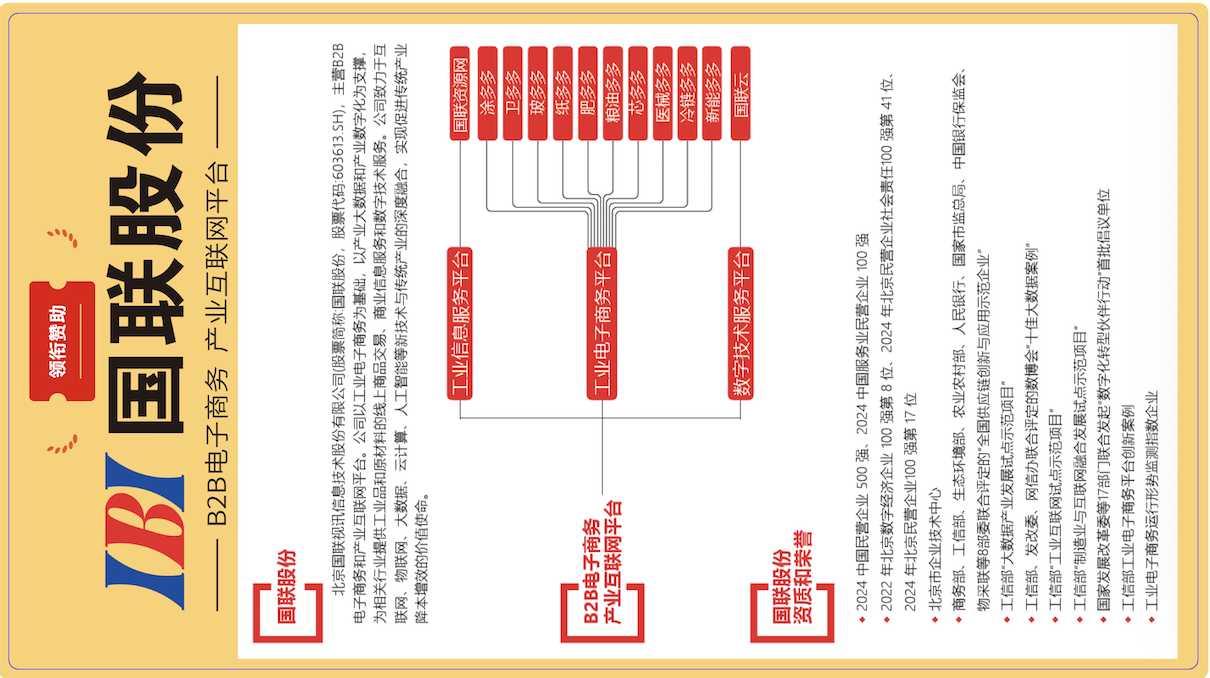
The forum opened with a sweeping video retrospective. This was followed by opening remarks from RUC North America Alumni Association Chairman and alumnus Dawson Lee, Professor Wang Yi, Minister-Counselor Yu Yougen, and alumnus Liu Quan, Chairman of Beijing United Information Technology Co.
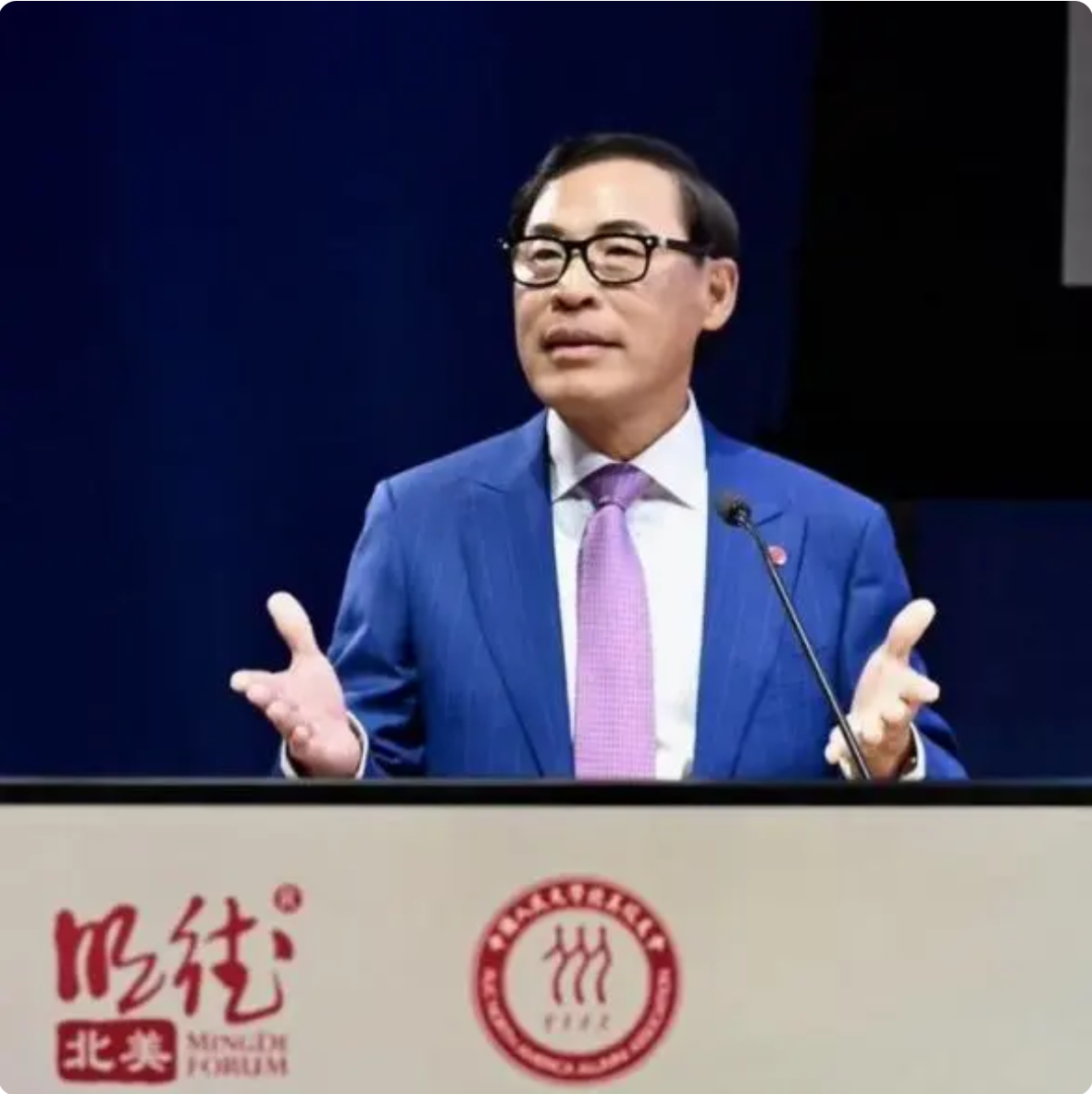
Dawson Lee
Dawson Lee delivered the welcome remarks and officially announced the opening of Mingde Forum 2025. He congratulated the organizers and participants on the successful launch of the 11th edition of the forum, welcomed university leaders, scholars, and representatives from partner alumni associations, and expressed his appreciation to the sponsors and volunteer teams for their longstanding support.
Looking back to 2014, when the first RUC alumni event was held at Columbia University and preparations began for the establishment of the North American Alumni Association, Lee reflected on the journey that brought the forum back to Columbia more than a decade later. He noted that, with the continued support of the University, the forum’s influence has grown significantly and that it has become a shared “spiritual home” for RUC alumni across North America.
He encouraged younger alumni to become more actively involved and described the Alumni Association as an overseas “way station, harbor, and fueling station” for alumni.
Addressing the current challenges in China-U.S. relations, Lee said that cooperation remains an important broader trend and expressed hope that the forum would continue to provide rational perspectives and constructive ideas on issues of the times.
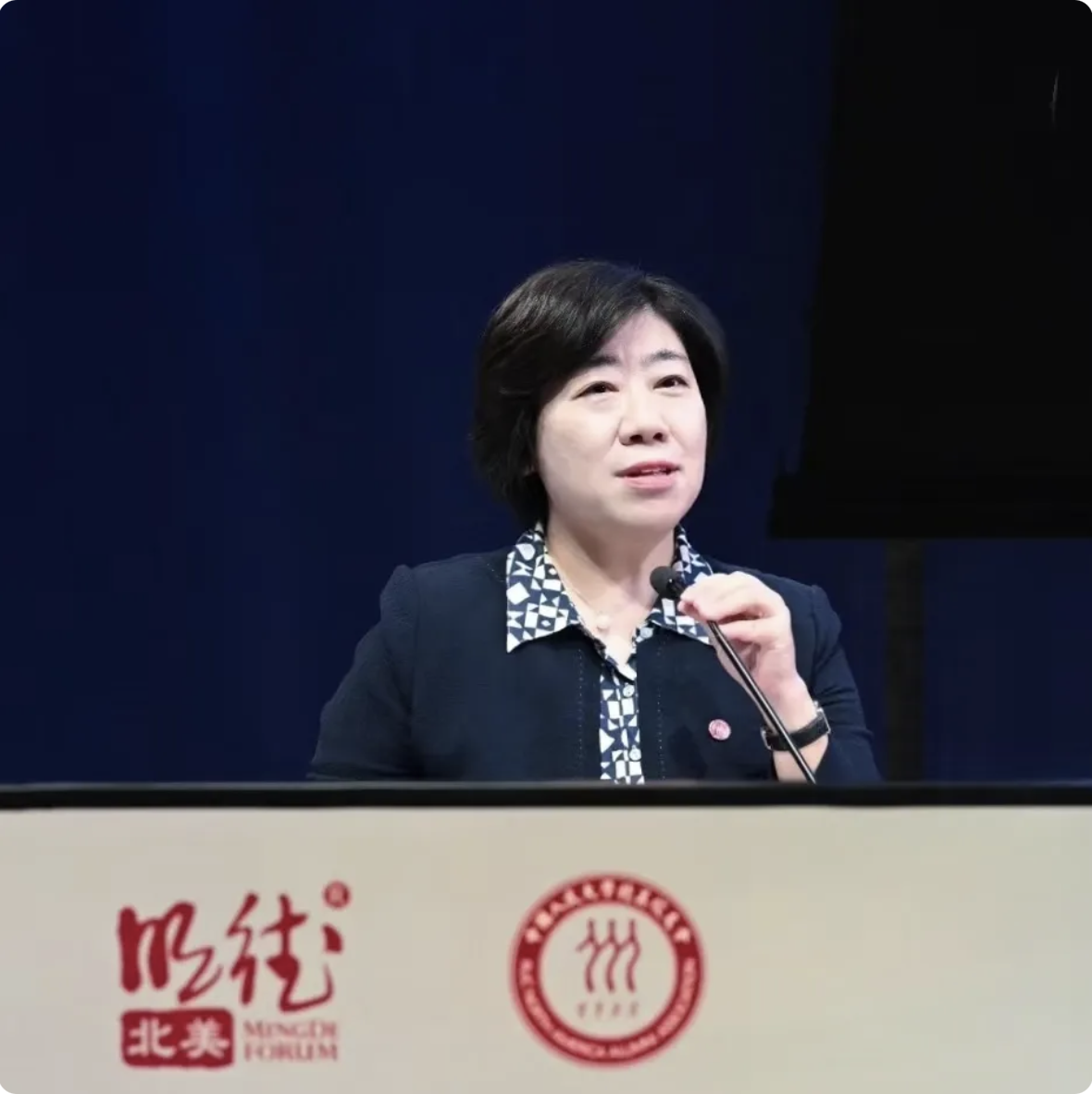
Wang Yi
Speaking on behalf of Renmin University of China, Professor Wang Yi extended her warm greetings to the guests and alumni and expressed appreciation for the RUC North America Alumni Association’s longstanding commitment to organizing the forum. She also congratulated Mingde Forum on its successful trademark registration in the United States.
Professor Wang spoke highly of the forum’s development over more than a decade, describing it as one of the most influential overseas academic and intellectual platforms created by RUC alumni. She noted that the forum has brought together leaders from government, academia, and business to discuss major global issues.
Against the backdrop of profound changes in the global landscape, Professor Wang outlined three areas of expectation for the North American Alumni Association.
First, use alumni ties to build a powerful network that transcends distance. She praised North American RUC alumni as bridges and ambassadors for people-to-people exchanges between China and the United States, and encouraged the Alumni Association to further activate its alumni network, establish an “RUC North America Think Tank,” and strengthen connections with younger alumni so that the collective strength of the alumni community can be further consolidated.
Second, take the lead in making constructive use of rules to improve the international order. RUC alumni are already making their voices heard on international platforms through their professional expertise in fields including finance, law, and technology. Professor Wang encouraged alumni to actively promote the wisdom of “extensive consultation, joint contribution, and shared benefits” in their respective fields.
Third, serve as bridges for innovation and cooperation in a changing world. The latest wave of technological revolution is reshaping the world, and innovation is key to addressing emerging challenges. As North America remains a global hub of innovation, she encouraged RUC alumni to actively participate in and contribute to the innovation wave.
Professor Wang also expressed hope that Mingde Forum would draw on the experience of the “Shaanxi-Gong University Lecture Hall” to build an important overseas academic brand and become a long-term platform for China-U.S. communication and global dialogue. She specifically noted that 2027 will mark the 90th anniversary of Renmin University of China and warmly invited North American alumni to return to campus for the celebration.
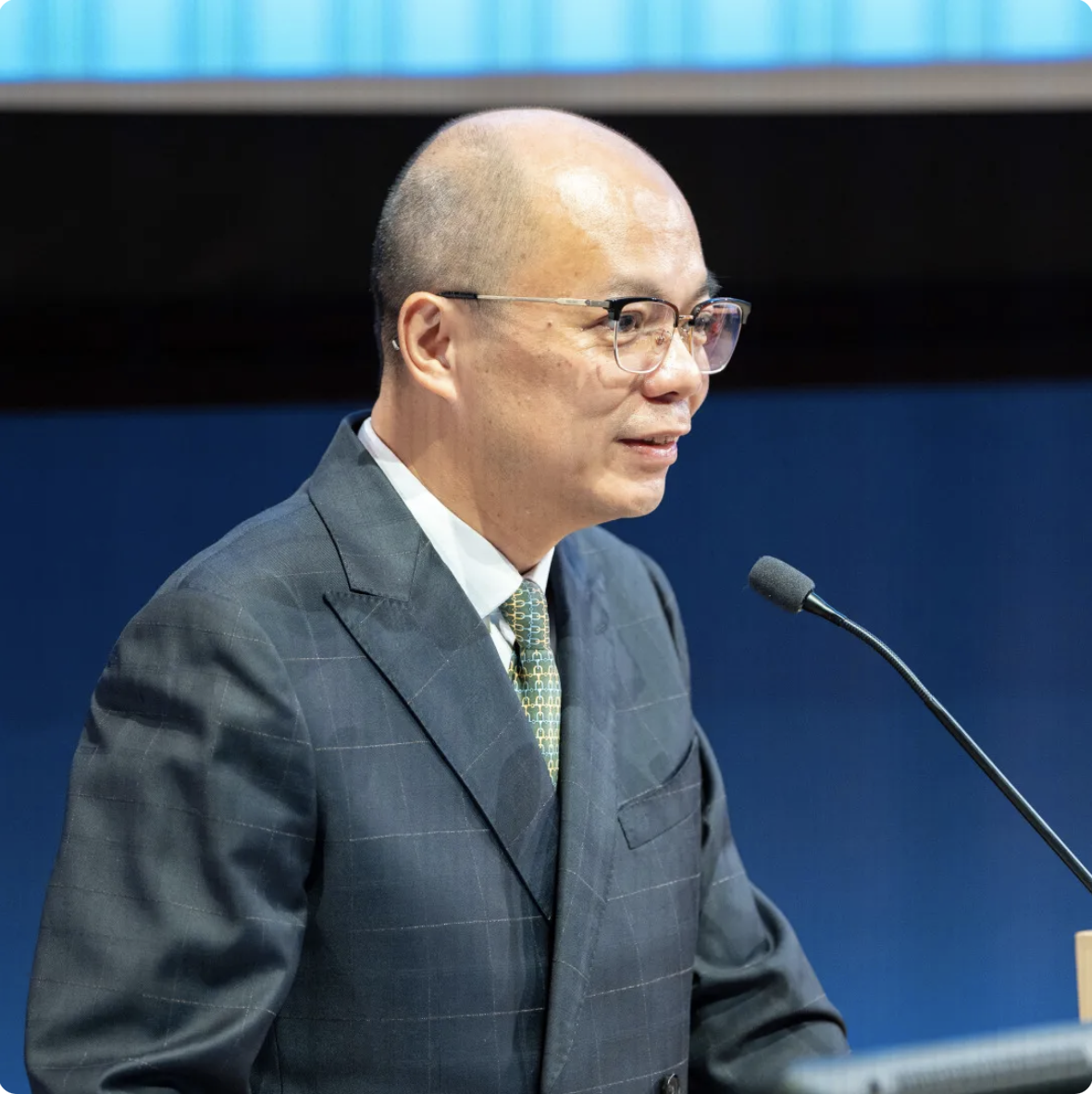
Yu Yougen
Representing the Consulate General of China in New York, Minister-Counselor Yu Yougen congratulated the forum on its successful opening and welcomed the Renmin University delegation to New York.
He spoke highly of Renmin University’s deep humanistic tradition, its longstanding commitment to seeking truth from facts, and its achievements in China’s “Double First-Class” initiative and technological innovation.
He noted that Renmin University is an important participant in China-U.S. educational cooperation and has maintained longstanding academic partnerships with American universities, including Rutgers University. He also noted that RUC was among the first Chinese universities to resume sending students abroad after the pandemic, injecting new vitality into China-U.S. educational exchanges.
Yu also recognized the important contributions made by the RUC North America Alumni Association to cultural exchange and public-interest initiatives, saying that the Association has effectively brought North American alumni together and enhanced the international image of Chinese universities.
He said that although differences exist between China and the United States, cooperation remains the mainstream aspiration, and that the October 3 meeting between the Chinese and U.S. heads of state in Busan had injected new momentum into efforts to stabilize bilateral relations.
He described Mingde Forum as an important platform for promoting mutual understanding and people-to-people exchange, and expressed his hope that the forum would continue to grow, tell China’s story, present a real, multidimensional, and comprehensive picture of China, and encourage RUC alumni to remain attentive to China’s development and contribute their knowledge and expertise.
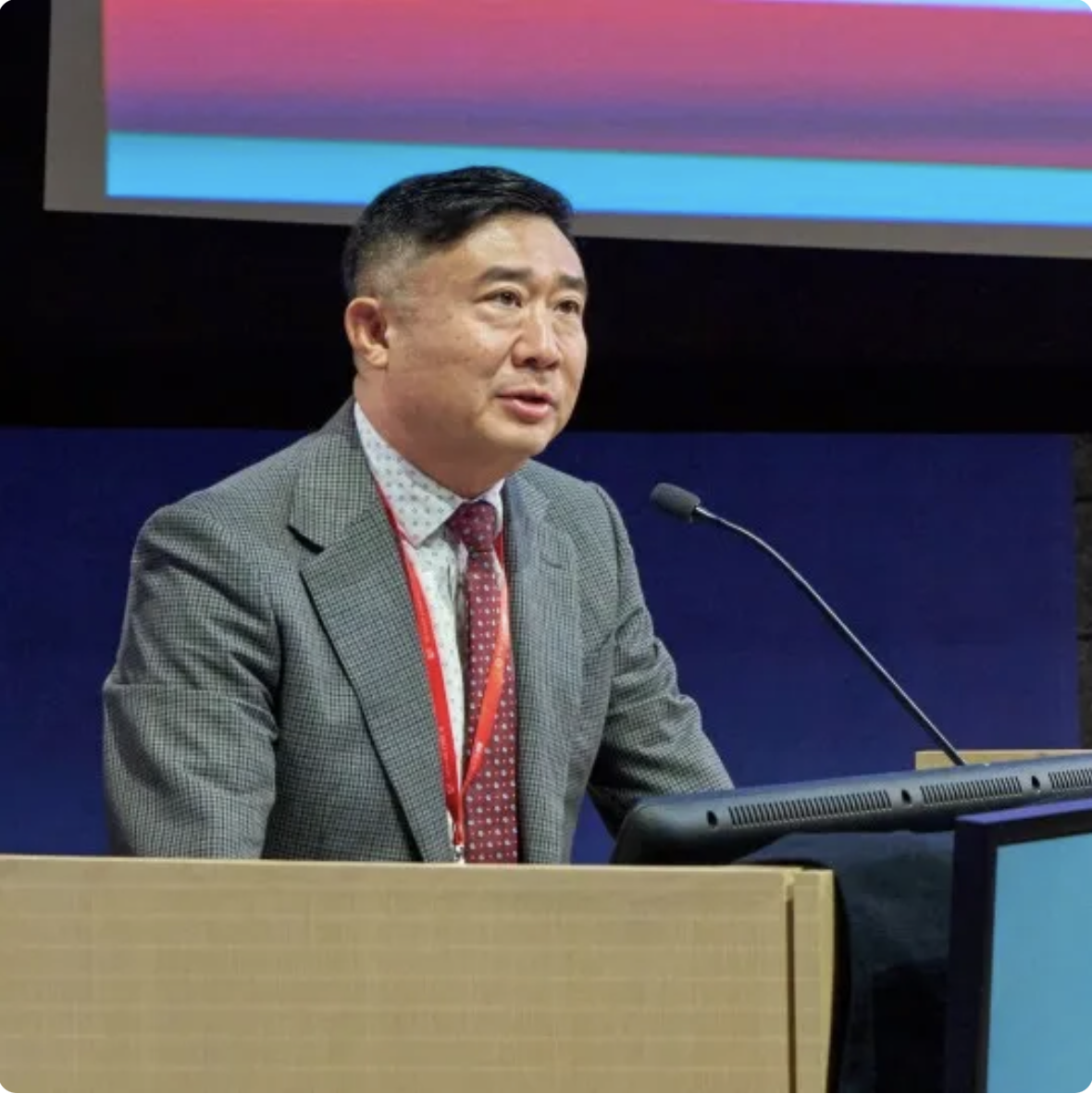
Liu Quan
Representing Beijing United Information Technology Co., Chairman Liu Quan congratulated the forum and welcomed all the guests and alumni.
He thanked the Alumni Association for its longstanding commitment to organizing the forum and serving the community, saying that every time he attends the forum, it feels like a “spiritual homecoming.”
In his view, “Mingde” represents both the pursuit of knowledge and a sense of social responsibility, carrying forward the spirit of Renmin University. Over the past decade, the forum has become an important bridge connecting ideas and perspectives between China and the United States.
Liu noted that the world is undergoing profound transformation driven by supply-chain restructuring, breakthroughs in AI and green technologies, and rising geopolitical risks. “Rebalancing,” he said, involves not only the restructuring of national power, but also changes in innovation, rules, and industrial models.
In a rapidly changing era, he emphasized, competitiveness depends on continuous learning, an open mindset, and win-win cooperation. Against this backdrop, Beijing United Information Technology Co. is advancing its digital transformation and international expansion.
He concluded by noting that the friendships and trust among alumni are among the most valuable resources, and said that Beijing United Information Technology Co. would continue to be a committed supporter of Mingde Forum while looking forward to exploring new possibilities for cooperation through dialogue.
Mingde Lecture
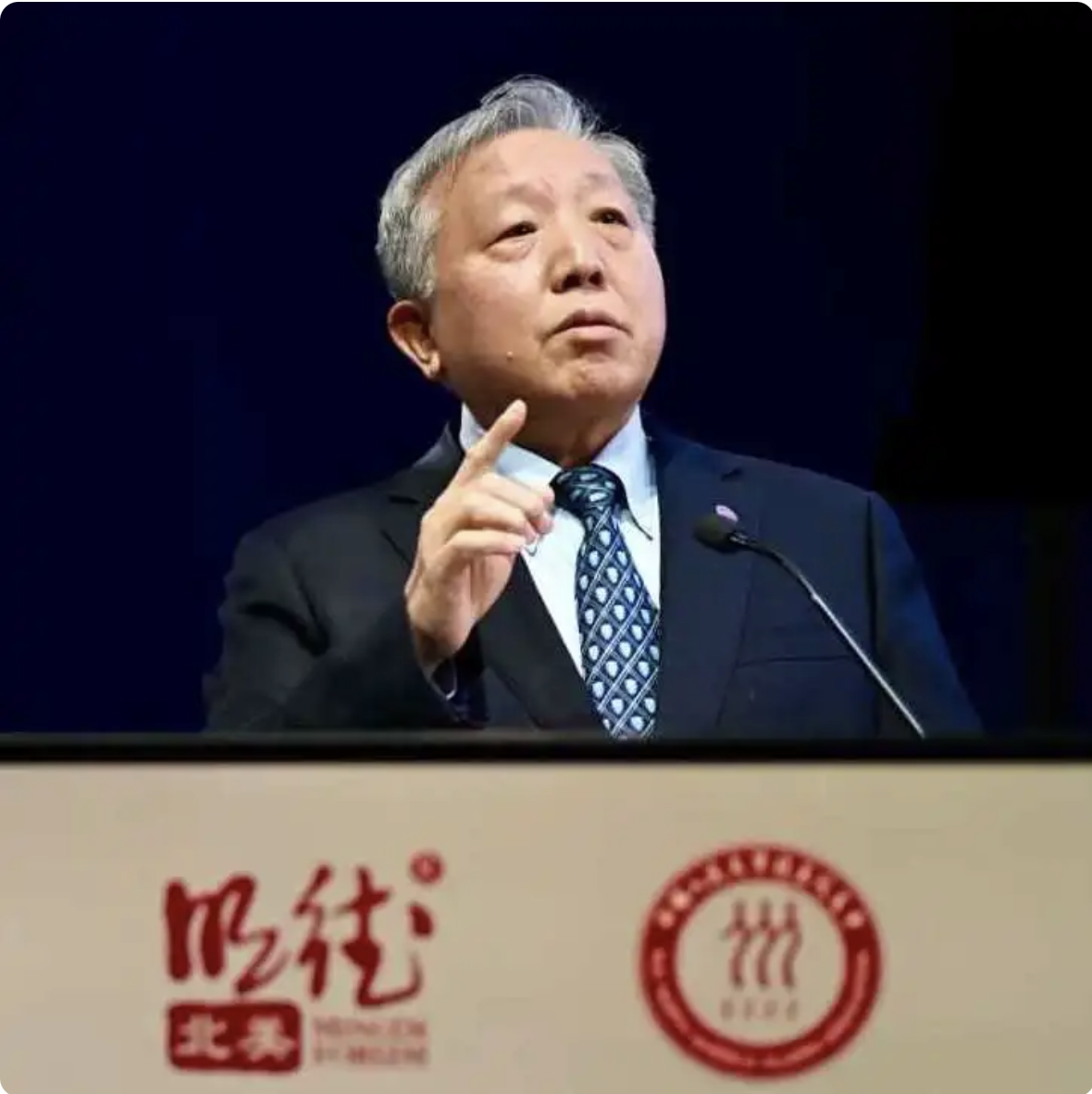
Wu Xiaoqiu
The highly anticipated Mingde Lecture featured Professor Wu Xiaoqiu, renowned economist, former Vice President of Renmin University of China, Dean of the National Academy of Financial Research at Renmin University of China, and Dean of the Institute of Capital Market Studies.
Professor Wu traveled to New York specifically for the event and delivered a keynote address entitled “A New Landscape for the 15th Five-Year Plan: Opportunities and Challenges for China’s Economy, Finance, and Capital Markets in the Age of AI.”
Taking a broad and forward-looking view, Professor Wu offered an in-depth analysis of the structural turning points facing the Chinese economy and the logic underlying future growth. His engaging and insightful presentation translated complex economic theories into vivid observations about reality, drawing sustained applause and laughter from the audience and bringing the forum’s intellectual discussions to a high point.
Key Takeaways
The outlook for the future:
China’s economy still has significant potential, but its growth model needs to be reshaped. “Technology × Finance × Talent” will form three key pillars of the next decade, and China needs to build a new economic system suited to the intelligent era.AI is reshaping global productivity:
Artificial intelligence is evolving from a tool-oriented technology into a “factor of production.” Large AI models are beginning to participate in cognition, scientific research, and design, while future industries are likely to become increasingly automated and factory-like. Innovation capacity will become a core component of national competitiveness.China has shifted from “shortage” to “surplus”:
More than 220 industries in China are experiencing excess capacity, indicating that the economy has moved decisively into an era of economic surplus. Economic policy needs to shift from expanding production to expanding demand, with future growth increasingly determined by consumption, technology, and institutional reform.Three variables for growth over the next decade:
Original technological innovation, including breakthroughs in critical technologies;
Institutional innovation, particularly in finance and capital markets;
Upgrading the consumption structure and adjusting household asset and liability structures.
The direction of capital market reform:
Future reforms must place investor protection at the center and establish a genuinely multi-level capital market. Technology companies need long-term capital rather than short-term speculation.The key to expanding consumption:
The key is to reduce unnecessary burdens on households. High housing prices and high education costs have significantly constrained household consumption. China needs to promote the “financialization and securitization” of assets and make household wealth more flexible and liquid.
Keynote Presentations
Alumnus Li Shanquan, former senior portfolio manager at Invesco and Honorary Chairman of the RUC North America Alumni Association, and Professor Ding Xiaodong, Vice Dean of the School of Law at Renmin University of China, delivered keynote presentations.
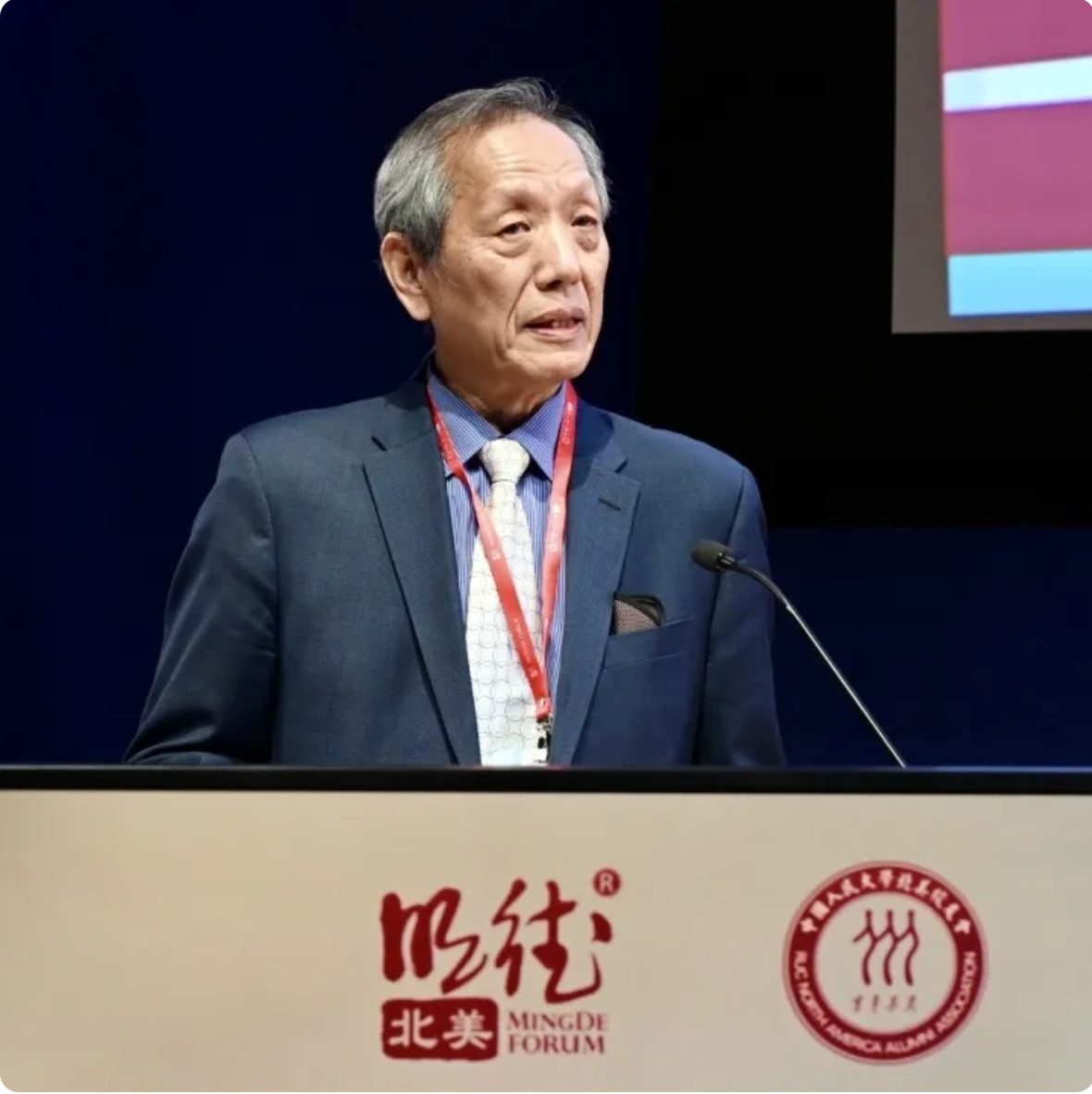
Li Shanquan
Veteran investor Li Shanquan, known as the “Chinese Oracle of Wall Street,” offered a wide-ranging analysis of the current global landscape through the lens of long-term economic cycles.
Drawing on economic theory, geopolitical shocks, and innovation-driven growth, he presented a framework for investors seeking certainty amid uncertainty.
Key Takeaways
Cycles as a forecasting tool:
Investors should pay attention to “structural inflection points” within economic cycles, the “crowding effect” driven by innovation, and the amplification of cycles caused by multiple factors moving in the same direction.Eight core questions:
The presentation identified eight major questions facing the global economy, including the trajectory of the U.S. economy, the eventual outcome of the Russia-Ukraine war, the lingering impact of Trump’s trade policies, and the impact of cryptocurrencies. Together, these issues are shaping the macroeconomic environment in 2025.Economic cycles as a key analytical framework:
Amid enormous uncertainty, economic developments should be examined through the lens of long-term cycles, including Schumpeter’s innovation cycles and Keynesian aggregate-demand theory. Innovations such as AI and electric vehicles can trigger resource reallocation and structural expansion.Structural adjustment:
Both China and the United States are undergoing profound structural adjustments. Industries including real estate and energy are seeking new sources of support as they move through cycles of expansion, oversupply, and rebalancing. Current excessive investment in AI infrastructure could itself become an inflection point in the next cycle.
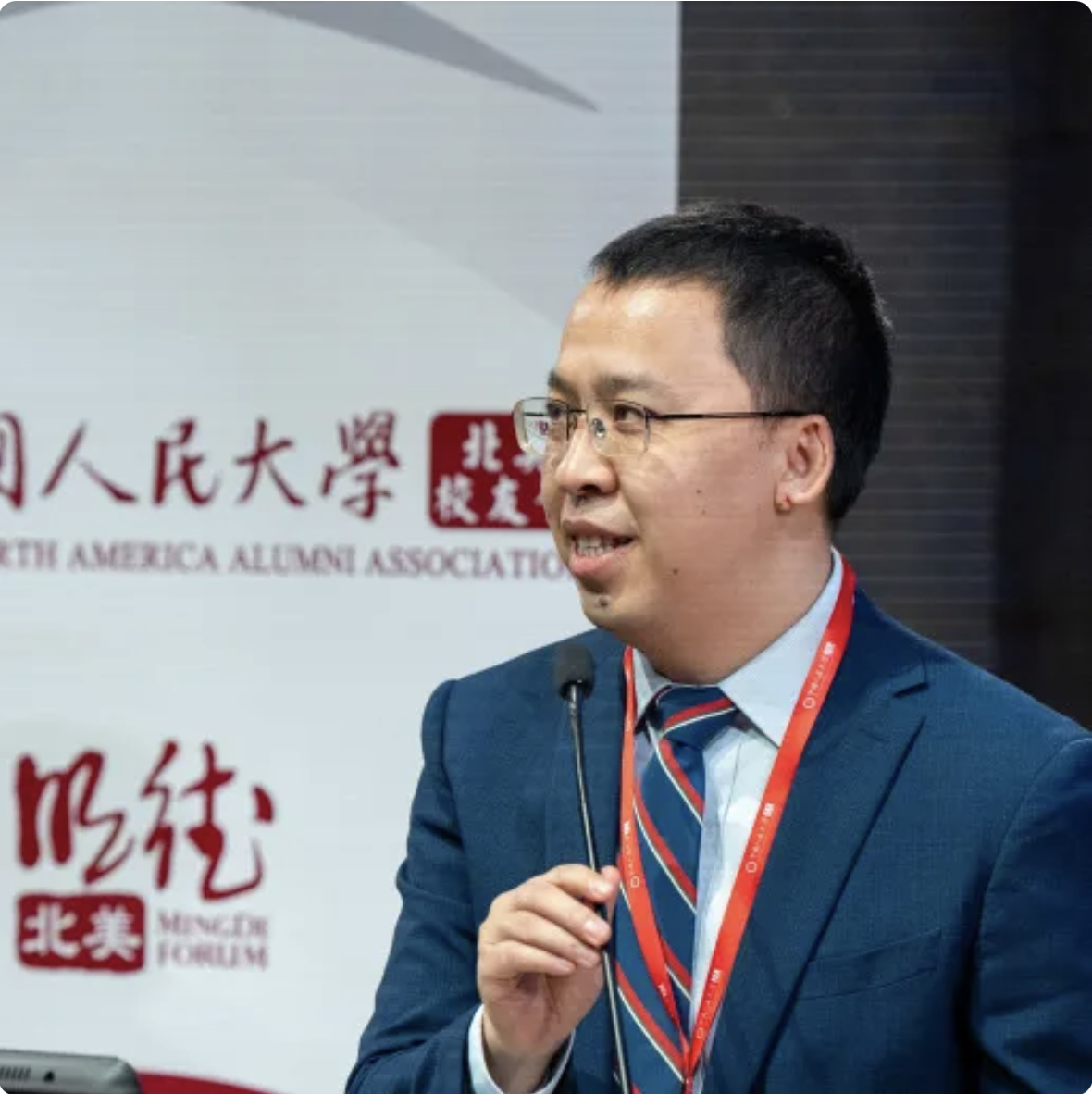
Ding Xiaodong
Professor Ding Xiaodong provided a clear and systematic global comparative perspective on the pressing issue of AI regulation.
Starting from the inherent tensions within regulation, he analyzed the different regulatory approaches and strategic considerations of the three major economies—the United States, the European Union, and China.
Key Takeaways
Three core tensions:
AI regulation faces three fundamental tensions: “development vs. security,” “rapid technological change vs. legal stability,” and the allocation of responsibility between hardware and software.The U.S. regulatory approach:
Fragmented and incremental, with existing laws extended to address emerging technologies. Executive orders and industry guidance play important roles, while state-level legislation, including in Colorado and Utah, has moved ahead in some areas.The EU regulatory approach:
Highly structured and unified, with a comprehensive legislative framework. Through the “Brussels effect,” the EU’s rules can influence practices beyond Europe. Its approach uses four levels of risk classification, with particular attention to high-risk applications and accountability on the provider side.The Chinese regulatory approach:
Seeking flexibility between the U.S. and European approaches. Rather than pursuing a single comprehensive AI law, China has generally favored more targeted forms of governance while seeking to avoid excessive regulation.Overall perspective:
Global AI regulation is developing along three broad paths: the United States, driven primarily by markets; the European Union, driven primarily by rules; and China, following a hybrid approach. These differences reflect variations in national competition, economic structures, and industrial foundations.
Panel Discussions
The forum featured two panel discussions, focusing respectively on the review and outlook for the economy and markets and investment and development in the age of artificial intelligence.
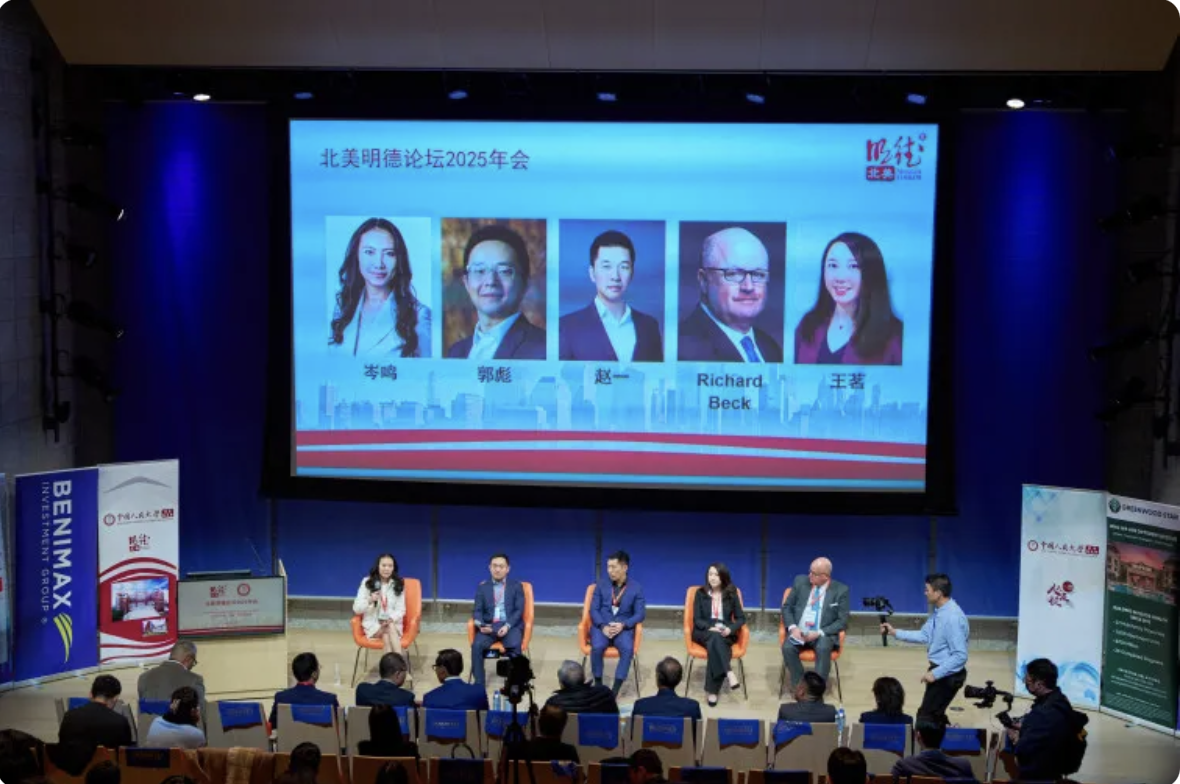
From left: Ming Cen, Guo Biao, Zhao Yi, Wang Ming, and Richard M. Beck
The first panel was moderated by alumnus Ming Cen, Head of MAPS for the Americas at USSA International and Vice President of the RUC North America Alumni Association.
Panelists included Professor Guo Biao of the School of Finance at Renmin University of China; Zhao Yi, Head of Fixed Income Investments at Allianz Global Investors Asset Management; Wang Ming, Head of JD Logistics’ North America East Region; and Richard M. Beck, Partner at Klehr Harrison Harvey Branzburg LLP.
Key Takeaways
The U.S. market — Ming Cen:
The current rise in U.S. equities is being driven primarily by AI capital expenditures rather than simply by a technology bubble. Demand for data centers, chips, and cloud services remains strong, while returns have risen from less than 15% in 2018 to more than 25%. Key risks include rising leverage among smaller technology companies and circular flows of capital within the AI ecosystem. She noted that a sharp short-term decline in capital expenditures appears unlikely, while systemic risks require continued monitoring.China’s capital markets — Guo Biao:
Overall valuations in China, particularly those of state-owned enterprises, have remained below U.S. levels since 2009. In his view, this is not primarily because of weak financial performance: SOEs account for roughly 66% of listed-company revenues and remain competitive in profitability, growth, and dividends. Rather, structural factors—including the social functions assumed by SOEs, insufficient information disclosure, an excessive emphasis on financing over investment, relatively low foreign participation, and insufficient institutionalization—have contributed to the valuation gap. He called for an valuation framework better suited to the structure of the Chinese economy.Global institutional allocation — Zhao Yi:
Interest in China among overseas investors is recovering, with approximately 70% of institutions indicating that they expect to increase their exposure to China over the next three to five years. China and the United States have complementary strengths in different parts of the industrial structure—the United States in information industries and China in equipment manufacturing. Chinese assets, she noted, offer opportunities associated with valuation recovery and structural upgrading.Global supply chains and corporate expansion overseas — Wang Ming:
Globalization has moved from the “selling products” era, or Globalization 1.0, into an era of capabilities, or Globalization 2.0. The core of competition has shifted from products to supply chains. She described the next decade as a period of “supply-chain dividends,” with companies moving from taking products global to taking brands global, and from traffic-driven models to supply-chain-driven models. Companies such as JD are building global warehousing and delivery networks to provide faster, more reliable, and more cost-efficient fulfillment.Legal compliance for companies expanding overseas — Richard M. Beck:
Beck highlighted three major legal considerations for Chinese companies expanding internationally:Entity selection: Delaware is often the preferred jurisdiction, while corporations and LLCs differ significantly in governance and taxation.
Compliance: Companies must comply with federal and state labor laws and face significant liability for violations.
Corporate governance: U.S. law imposes stringent fiduciary duties on directors and executives. Ambiguous governance structures represent one of the major risks for Chinese companies operating in the United States.
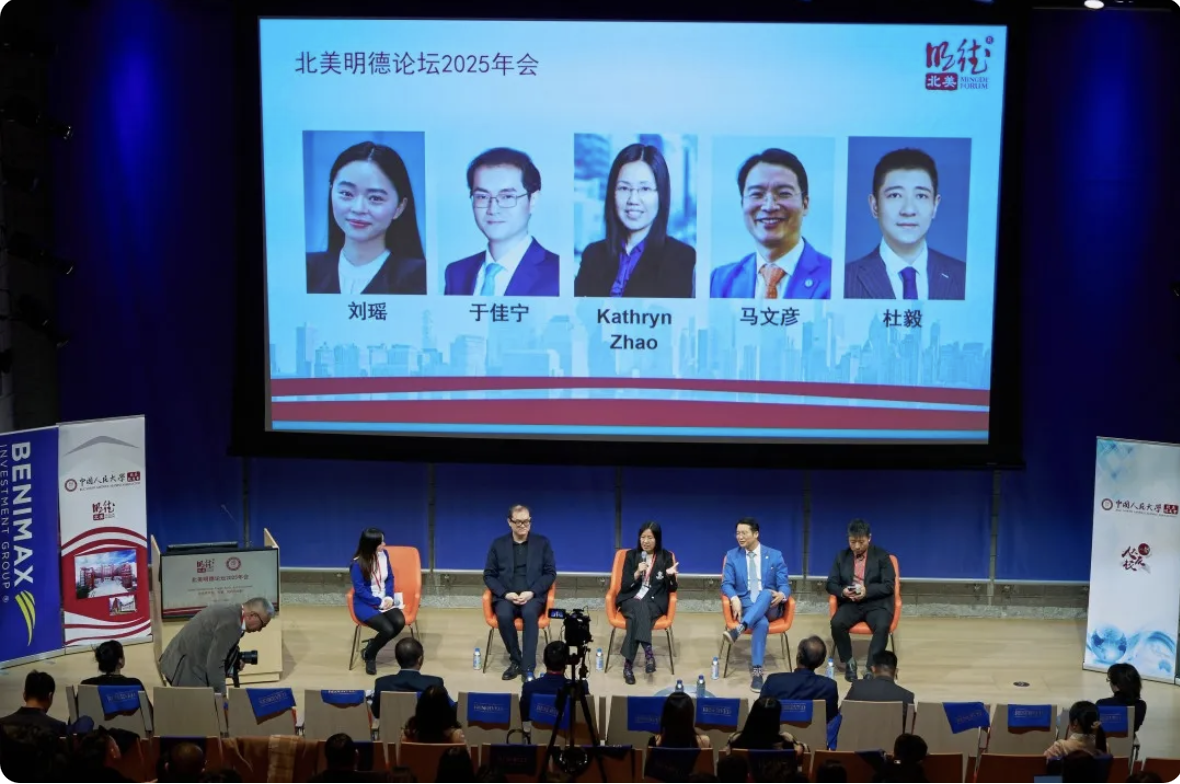
From left: Liu Yao, Yu Jianing, Kathryn Zhao, Ma Wenyan, and Du Yi
Moderated by Liu Yao, alumna and Assistant Professor at Columbia Business School, the second panel featured Yu Jianing, alumnus and President of Hong Kong-based Uweb Business School; Kathryn Zhao, Global Head of Electronic Trading at Cantor Fitzgerald; Ma Wenyan, Co-founder of Dragon AI; and Du Yi, Head of Equity Investments at Allianz Global Investors Asset Management.
The panel explored the paradigm shifts brought by AI to finance, technology, and investment.
Key Takeaways
Technology investment in China — Du Yi:
Technology-stock investing is returning to fundamentals, with dividends and profitability becoming key valuation anchors. Against the backdrop of China-U.S. technology competition, China is developing structural advantages in semiconductors, power infrastructure, and advanced manufacturing. The commercialization of AI in China is likely to rely heavily on the distinctive combination of open-source models, lower power costs, and a market of 1.4 billion users. Areas with relatively strong long-term potential include innovative pharmaceuticals, AI-enabled manufacturing, and AI-enabled industrial control.AI × digital assets — Yu Jianing:
The combination of AI and on-chain economies is emerging as a major long-term trend, particularly in areas such as agentic payments and decentralized prediction markets. Although the digital-asset market remains highly volatile, its longer-term potential should not be overlooked. Stablecoins, in particular, have become an important source of global liquidity. Their daily transaction volume far exceeds their issuance scale, providing underlying payment and settlement infrastructure for AI-driven financial innovation.AI × blockchain — Kathryn Zhao:
AI’s core requirements—data, computing power, and algorithms—can all benefit from blockchain technology. Traditional AI has already consumed much of the readily available public data, while blockchain can allow users to monetize their data while maintaining greater control over privacy. Decentralized physical infrastructure networks (DePIN) can also help reduce AI training costs. At the same time, AI can enhance blockchain technology by simplifying smart-contract development and making Web3 ecosystems more accessible to nontechnical users.The power of sovereign wealth funds — Ma Wenyan:
Sovereign wealth funds have become one of the largest sources of capital for global technology investment and are exerting significant influence over the landscape for technology unicorns and AI infrastructure. The world’s ten largest sovereign wealth funds collectively manage trillions of dollars, and their role as an expression of national strategic priorities is likely to become increasingly important in future AI competition. The United States, for example, has considered establishing a national sovereign wealth fund that could potentially include assets such as Bitcoin to support long-term investment in AI.
Panelists agreed that AI is reshaping the structure of global financial markets across multiple dimensions, including financial engineering, digital assets, and infrastructure such as stablecoin payments and agentic trading.
Looking ahead, the major investment themes discussed included OpenAI’s revenue and computing-power ecosystem in the United States; the integration of software, hardware, and manufacturing in China; and the evolving role of sovereign wealth funds, cross-border capital, and Web3 globally.
AI infrastructure—including computing power, semiconductors, and electricity—along with the commercialization of artificial general intelligence and AI applications in manufacturing, innovative pharmaceuticals, and on-chain finance, were identified as important areas to watch in the coming years.
Remarks from Supporting Partners
Lisa Li, CEO of Greenwood Star Holdings, and Mark Samples, Senior Director of Business Development at U.S. Immigration Fund, delivered special remarks as representatives of the forum’s supporting partners.
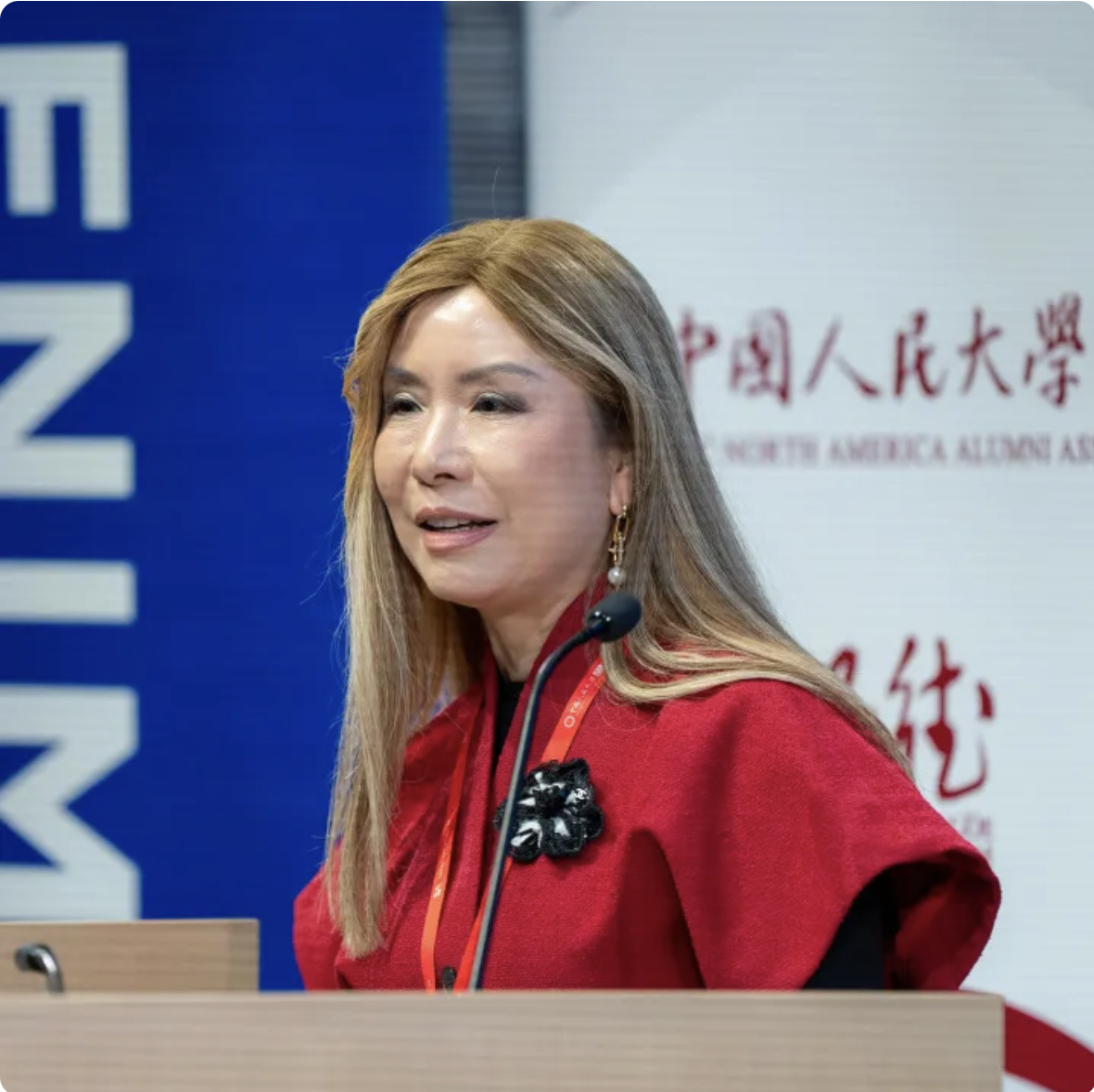
Lisa Li
Representing Greenwood Star Holdings, Lisa Li congratulated the forum on its successful opening. Greenwood Star Holdings has supported Mingde Forum for ten consecutive years.
Lisa shared her entrepreneurial journey from medicine to international real estate investment and emphasized “lifelong learning, risk management, and long-term value” as the core principles of her approach.
She identified 2026–2028 as a potential window for asset repricing and noted that multifamily housing remains an asset class characterized by stable cash flow and strong inflation resilience.
She also shared that Greenwood Star is developing a long-term wealth management platform designed for the next generation and said the company would continue to be an important supporter of Mingde Forum.
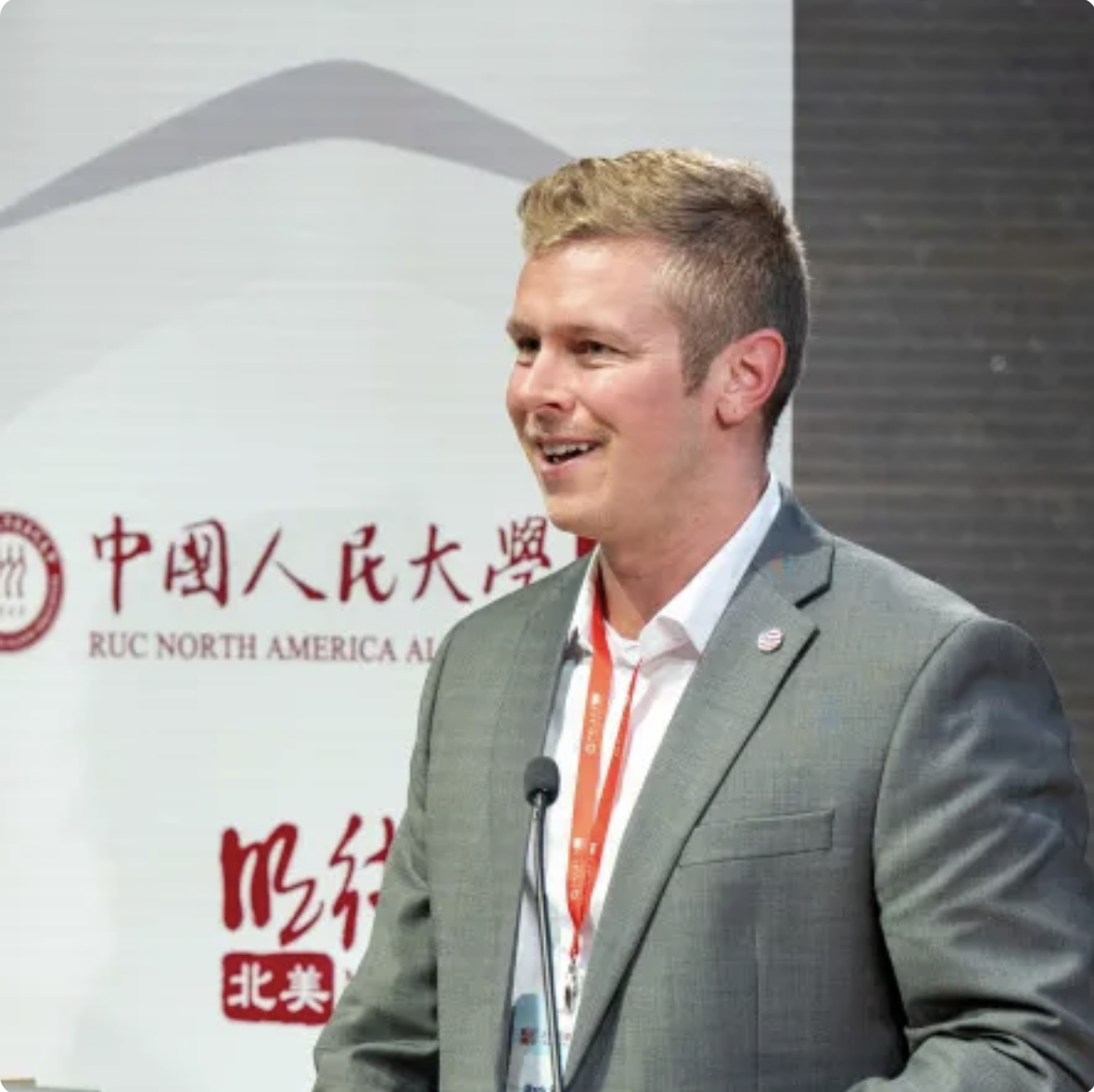
Mark Samples
Representing USIF, Mark Samples expressed his appreciation to the organizers and participants. He briefly introduced USIF’s expertise in global investment, asset management, and cross-border cooperation.
He noted that AI is changing investment logic at unprecedented speed and said that USIF would continue to monitor technological innovation, regulatory frameworks, and new developments in global capital markets. He expressed hope that USIF could build relationships with more Chinese and international partners and contribute to cooperation and development between China and the United States in technology and finance.
Closing Remarks
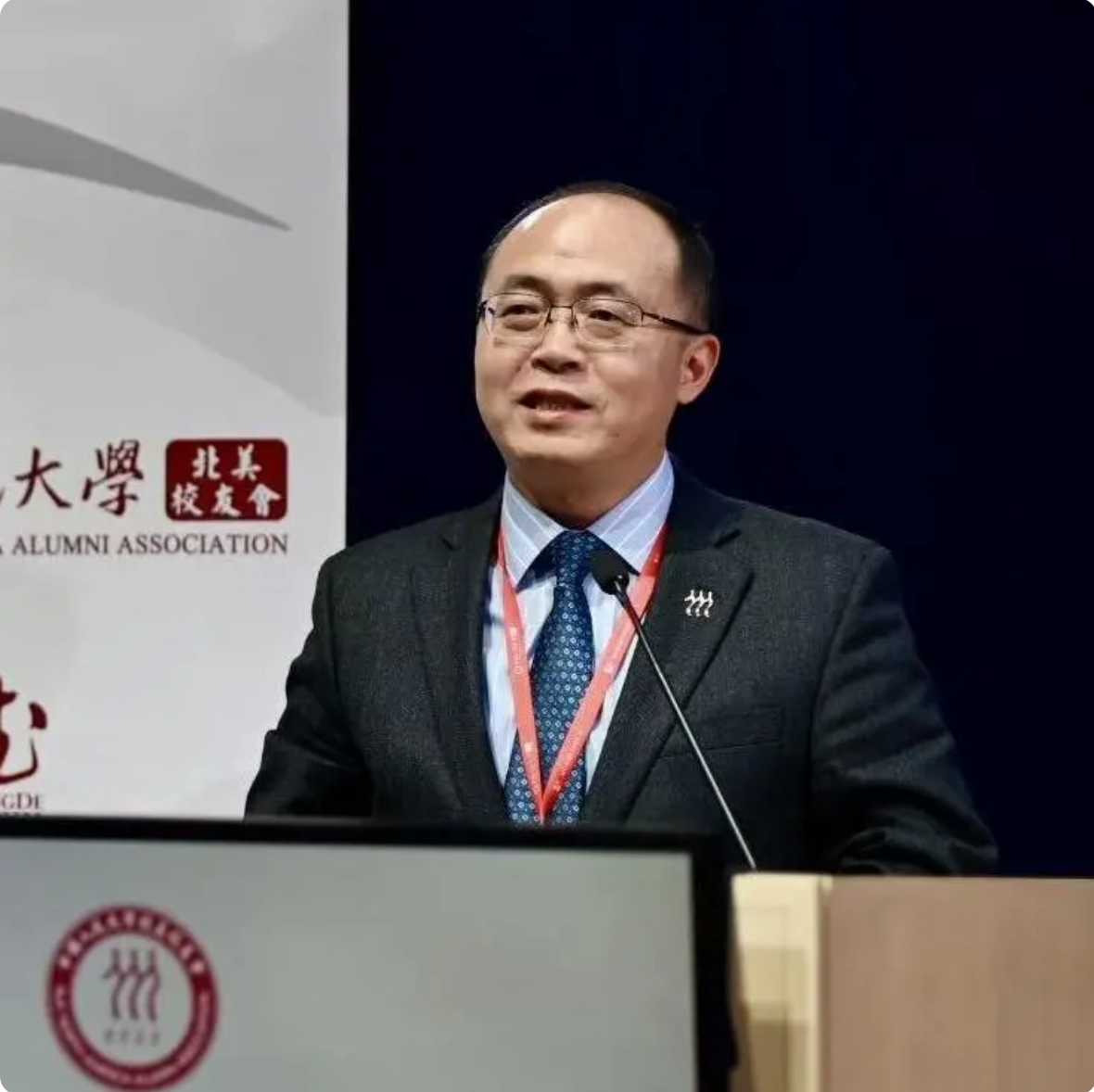
Wu Yafeng
At the conclusion of the forum, Wu Yafeng, President of the RUC North America Alumni Association, delivered closing remarks on behalf of the Alumni Association Board and the forum organizing team.
He said that in 2015, the North American Alumni Association began with a simple aspiration: to build a platform for alumni and the broader community to engage in rational dialogue and exchange ideas.
Ten years later, Mingde Forum has grown into an intellectual bridge that brings together wisdom, crosses professional boundaries, and connects China and the United States.
“One forum comes to an end today,” he said, “but the story of Mingde is opening a new chapter.”
Facing increasingly complex challenges and a deeper sense of responsibility, he expressed the hope that Mingde Forum would continue to serve as a bridge of rationality and goodwill between China and the United States, a window through which Chinese voices can reach the world, and a response from this generation of RUC alumni to the times in which we live.
Wu emphasized that Mingde Forum has never sought spectacle or noise. Instead, it has remained committed to doing something meaningful, warm, and purposeful—creating space for ideas to be freely exchanged, cultures to better understand one another, and reason and trust to be seen once again.
“We have always believed that sincere dialogue can bridge differences, sustained communication can dispel misunderstandings, and enduring trust will ultimately become a bridge connecting the world,” he said.
During his closing remarks, Wu also presented a video that became one of the most memorable moments of the forum.
Selina Liu, a second-generation RUC alumna, became deeply moved after learning about the Flying Tigers and the Hump Route during World War II. She subsequently took the initiative to research, document, and share this chapter of history, in which Chinese and American people worked together to protect peace.
Wu noted that this initiative by a member of the younger generation reflects a commitment to preserving world peace, building bridges between China and the United States, and carrying forward the idea of a community with a shared future for humanity.
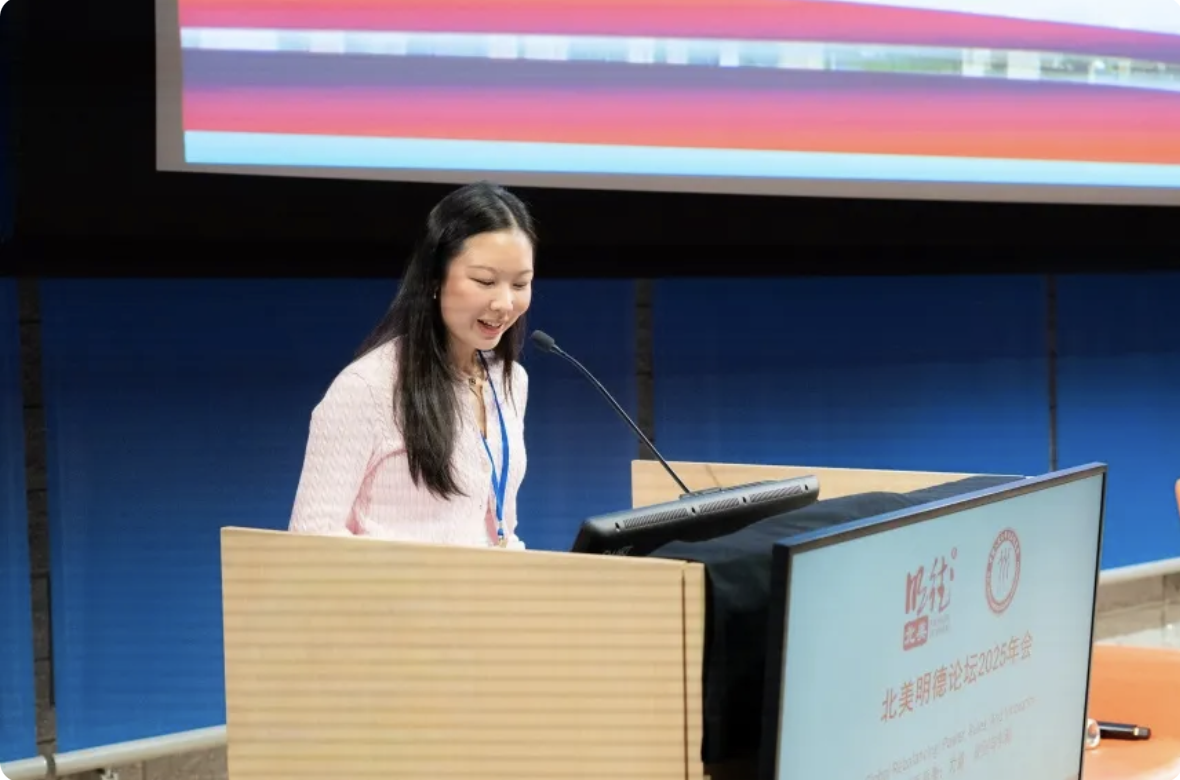
Selina Liu
At Wu Yafeng’s invitation, Selina took the stage to share her reflections.
After helping an American veteran search for information about family members who had died in China during World War II, and traveling to Hunan and other parts of China to interview local residents about how they protected the Flying Tigers, she came to understand that history is not an abstract narrative of nations, but something written through the kindness of ordinary people.
Through this experience, she said, the humanity and courage that transcend national borders also became an important source of her cross-cultural identity.
Wu Yafeng concluded by expressing his appreciation to the University leaders and faculty, guests and friends from all sectors of society, sponsors and partners, the RUC North America Alumni Association Board, the entire forum organizing team, and everyone who attended the event.
He warmly invited everyone to join Mingde Forum 2026.
After the forum concluded, guests and attendees gathered at the venue and continued their lively discussions, reluctant to leave.
Vice President of the RUC North America Alumni Association Liu Jing, former Chairman Yue Jingsheng, Board Members Huang Beiqing, Xu Junjun, Yang Guang, and Lin Ping, Legal Counsel Su Caixia, as well as members of the New York Chapter, Atlanta Chapter, Boston Alumni Association, and Michigan Alumni Association, also attended the forum and contributed to the event in various ways.
Other representatives from Renmin University of China included Yang Ziqiang, Director of the Party Committee Student Affairs Department; Guo Dong, Deputy Director of the Alumni Services and Resource Development Department; Li Mingzhu, Deputy Director of the Department of International Cooperation and Exchange; Guo He, Deputy Dean of the School of Intellectual Property; Zhang Jiyu, Associate Professor at the School of Law; and Han Hui, Assistant Dean of the School of Law.
The annual meeting was hosted by alumna Zhao Shanshan.
Mingde Forum 2025 received enthusiastic support and attention from RUC alumni and people from all sectors of society. Greenwood Star Holdings, Beijing United Information Technology Co., U.S. Immigration Fund, Yue Jingsheng Insurance Services, Felton Fei, and Meida Oriental Venture Capital, among other companies and individuals, provided generous financial support.
The Columbia Business School Chinese Student Association, NYU Chinese Law Students Association, and PFPA Financial Association served as academic partners; Sina Finance served as media partner; and the RUC North America Alumni Association of East China University of Political Science and Law served as a promotional partner.
Written by: Zhang Yong, Yin Xilei
Photography: Yue Jingsheng
Reviewed by: Wu Yafeng

Mingde Forum 2025 Organizing Committee
Chair: Wu Yafeng
Committee Members: Huang Beiqing, Zhang Yong, Lu Cuili, Jin Yan, Shen Yijun, Zhao Shanshan, Yin Xilei
Volunteers: Xu Junjun, Yang Guang, Li Yang, Wang Peng, Li Yujing, Wu Chengjin, Li Qian, Yin Tao




For more photos and details, please visit the RUC North America Alumni Association’s official WeChat account, “RUC北美校友会.”