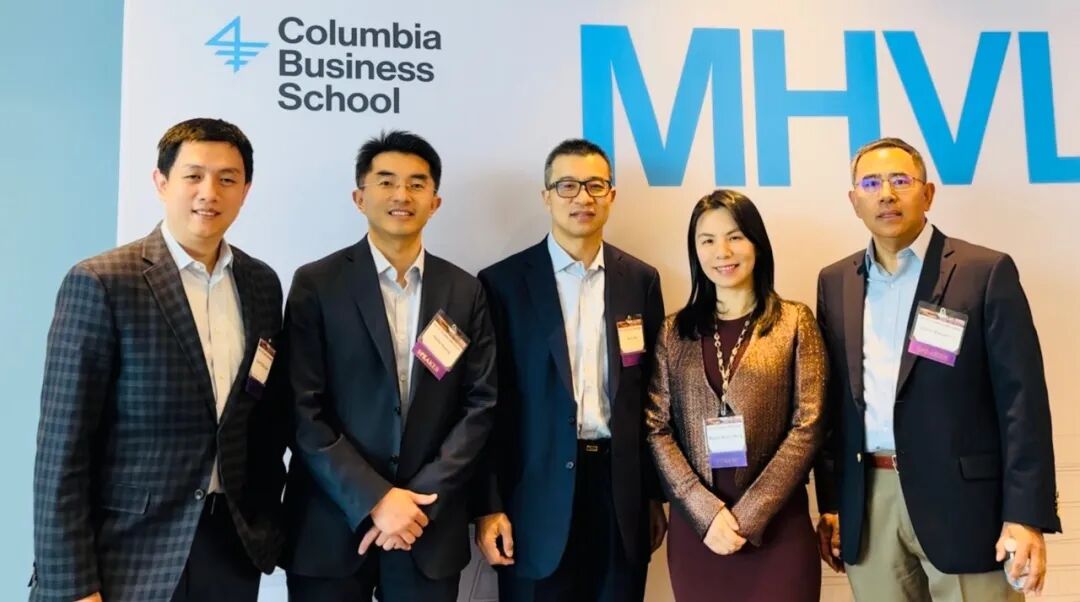
Recently, the RUC North America Alumni Association (RUC-NAAA) participated for the first time as a strategic partner and co-organizer of the 15th Columbia China Summit, jointly hosted by the Great China Society (GCS) of Columbia Business School and the Great China Initiatives (GCI) of Columbia University’s School of International and Public Affairs.
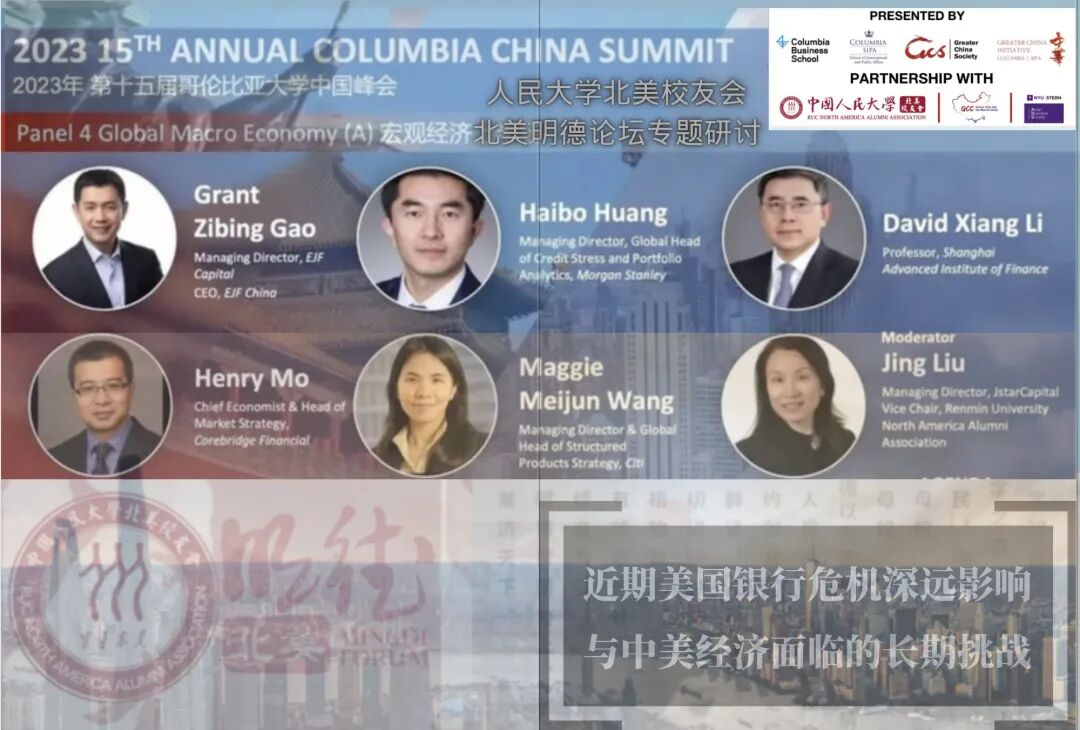
As part of the summit, RUC-NAAA hosted an in-person special session on macroeconomic issues, titled “The Far-Reaching Impact of the Recent U.S. Banking Crisis and the Long-Term Challenges Facing the U.S. and Chinese Economies,” from 3:30 to 4:30 p.m. ET on April 7 at Geffen Hall, Columbia Business School.
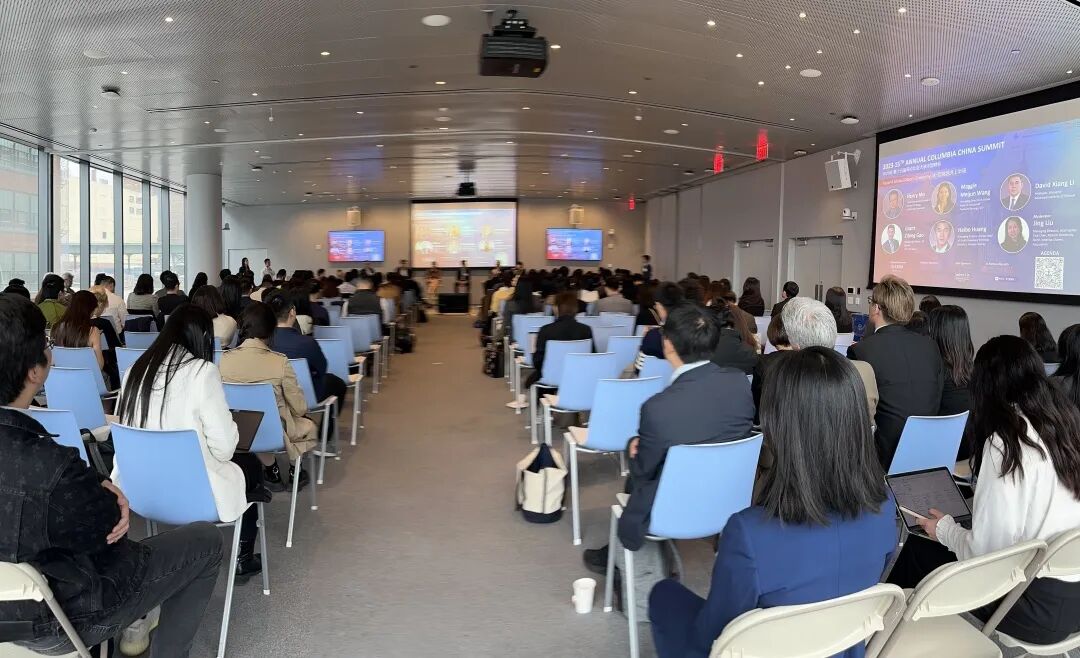
The session was an important component of the Macroeconomics Forum of the 15th Columbia China Summit. It also extended the series of discussions on macroeconomics and asset allocation featured by the Mingde Forum of RUC-NAAA. The discussion focused in particular on the collapse of Silicon Valley Bank (SVB), examining its far-reaching implications for the U.S. and Chinese economies, as well as the long-term challenges facing global financial markets.
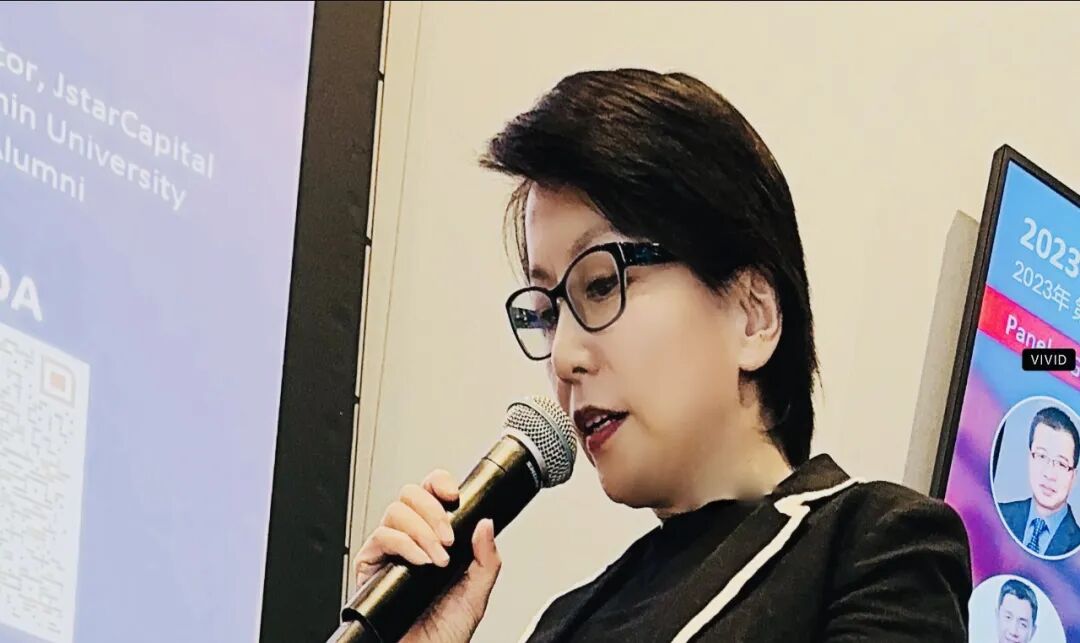
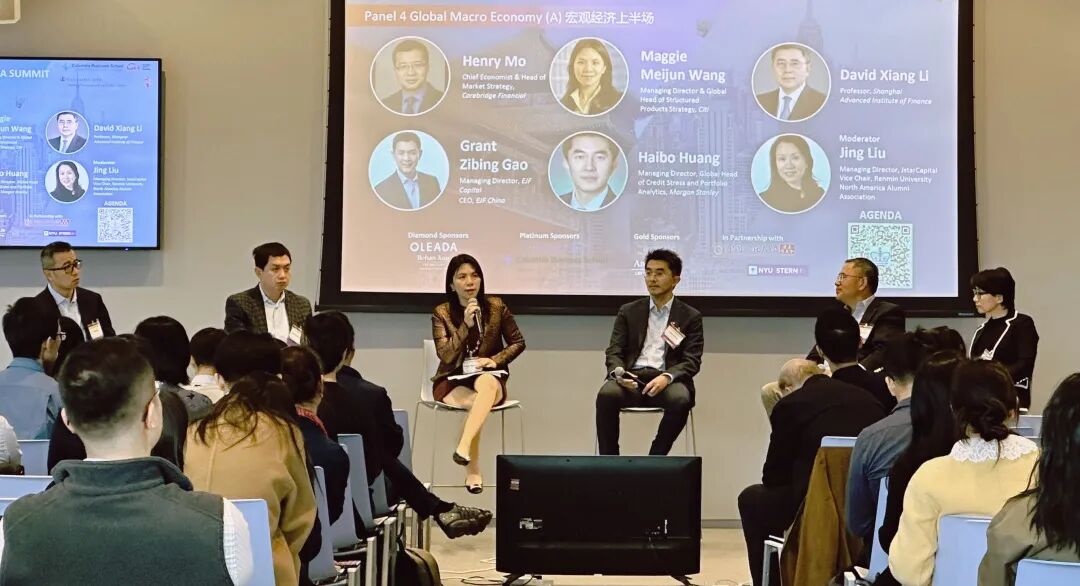
The session was moderated by Liu Jing, Vice Chairwoman of RUC-NAAA.
In her opening remarks, Liu Jing conveyed greetings on behalf of RUC-NAAA, including Dawson Lee, Chairman of the Board, Yafeng Wu, President, and other members of the association’s leadership. She noted that every year, a number of Renmin University of China graduates pursue further studies at various schools and programs at Columbia University. Alumni who have studied at both Renmin University and Columbia University have expressed strong hopes for the long-term development of the strategic partnership between RUC-NAAA and Columbia’s academic organizations. They also look forward to deeper cooperation among organizations and alumni communities at different levels of the two universities, and to making contributions within their respective capacities toward advancing lasting, comprehensive, and mutually beneficial friendship and cooperation between China and the United States.
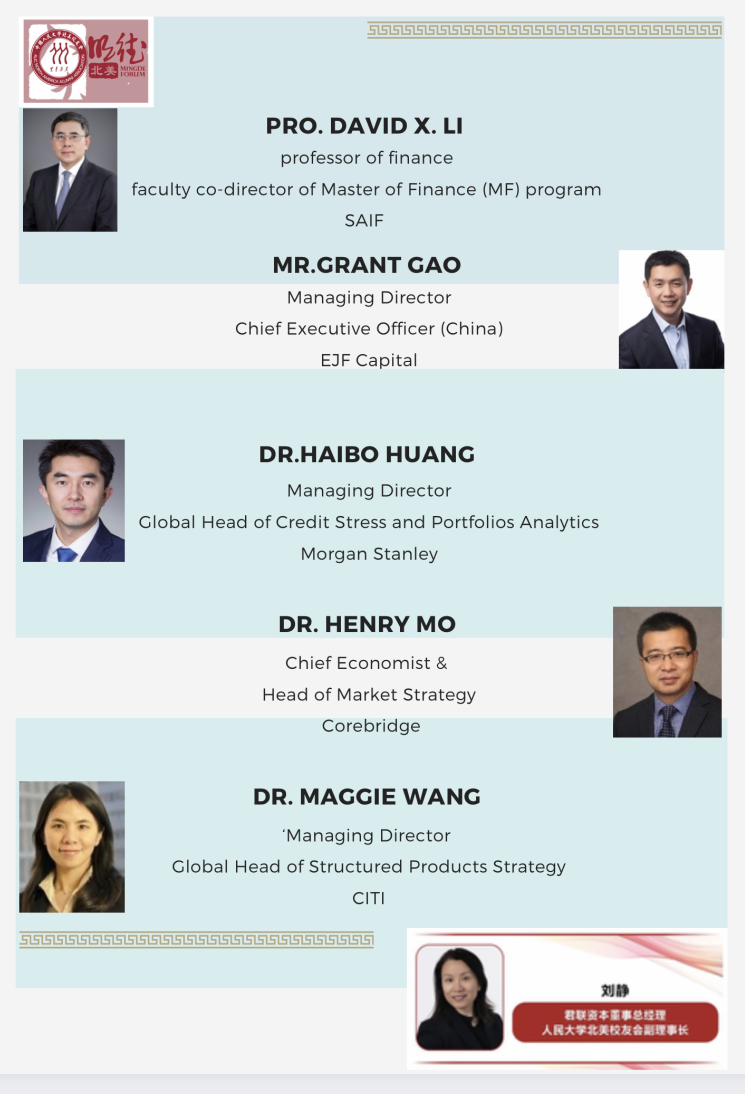
Five senior professionals from the Chinese and U.S. financial sectors were invited to participate in the session:
Professor David X. Li, Professor at the Shanghai Advanced Institute of Finance and Co-Dean of the Master of Finance Program;
Grant Zibing Gao, Managing Director and Chief Executive Officer of China at EJF Capital;
Dr. Haibo Huang, Managing Director at Morgan Stanley and Global Head of Credit Stress and Portfolio Analytics;
Dr. Henry Mo, Chief Economist and Head of Market Strategy at Corebridge Financial;
Maggie Wang, Managing Director and Global Head of Structured Products Research at Citigroup.
Individual Presentations
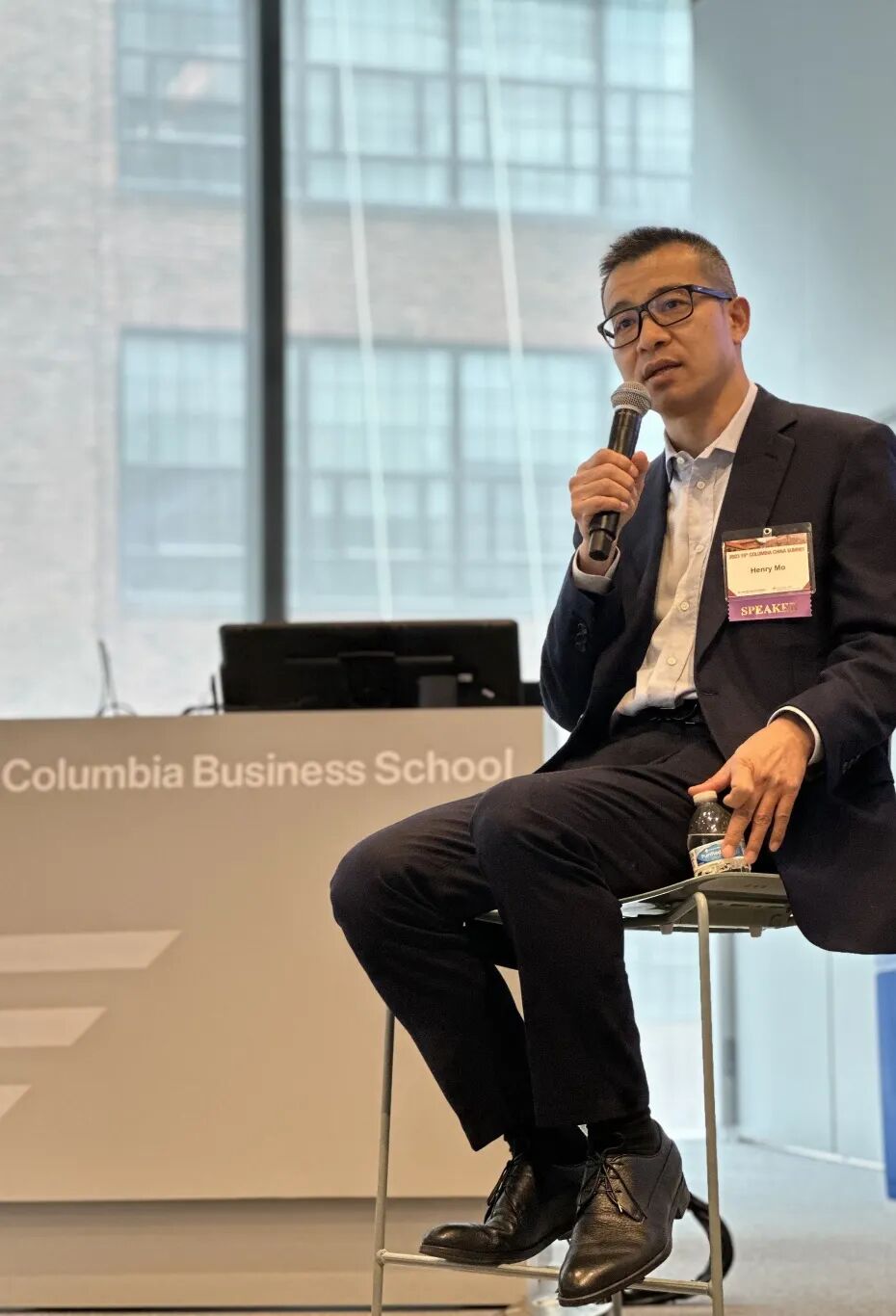
The individual presentations began with Dr. Henry Mo, who has spent many years researching macroeconomic trends and developing global market strategies for major financial institutions. Drawing on key data, Dr. Mo quantified the macroeconomic backdrop of SVB’s collapse, its impact on global financial markets, and quantitative measures of market participants’ ability to withstand financial risks.
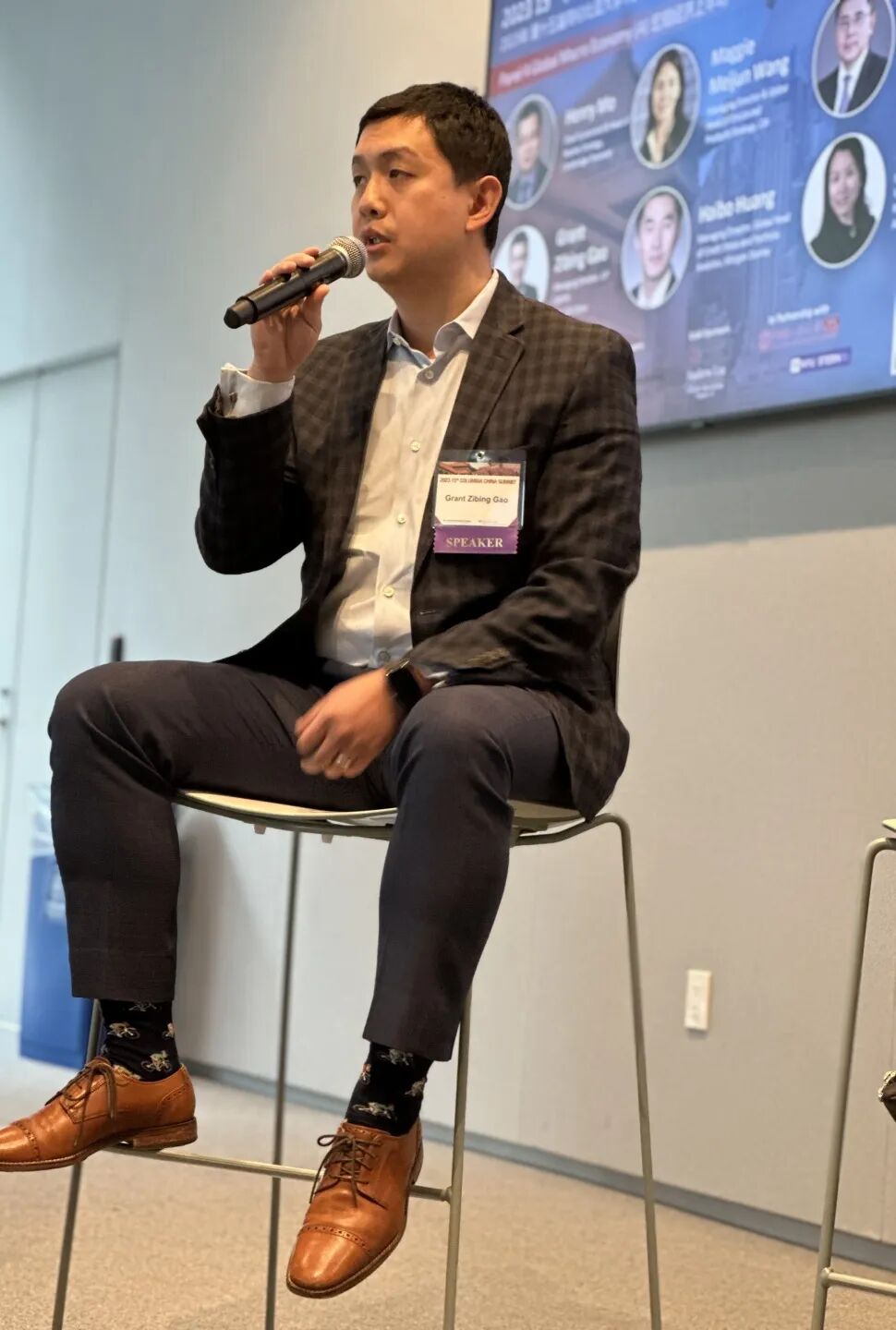
Next, Grant Zibing Gao, whose work has long focused on asset allocation and hedge investment strategies in the financial services sector, identified three key issues that need to be addressed amid the current challenges:
The strategic positioning of small and regional banks;
The impact of regulatory balance-sheet capacity on liquidity crises; and
The influence of market sentiment and dynamic panic in the new era.
Maggie Wang, who has been at the forefront of structured-products research at major financial institutions, then discussed the long-term impact of SVB’s collapse on credit markets and the responses available to financial markets.
Dr. Haibo Huang, known for his work in advanced risk-management concepts as well as the research and application of sophisticated risk-control models, focused on the risk-management strategies that large financial institutions can adopt in response to potential crises, together with cutting-edge risk-control tools and techniques.
As the final speaker, Professor David X. Li, who has long provided advice on financial-market regulations and policy, offered a high-level analysis of the lessons SVB’s collapse holds for risk management. He also examined the implications of the crisis for the development of financial regulatory frameworks in both China and the United States, as well as the long-term challenges facing bilateral financial-market regulation.
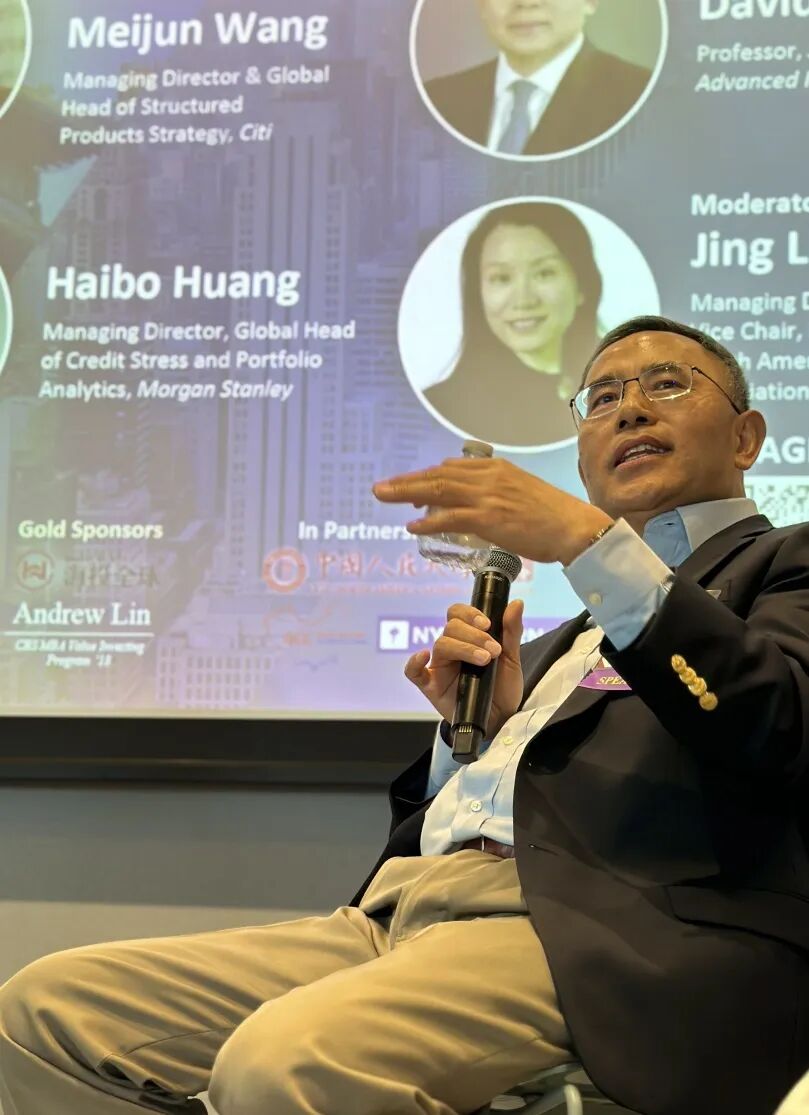
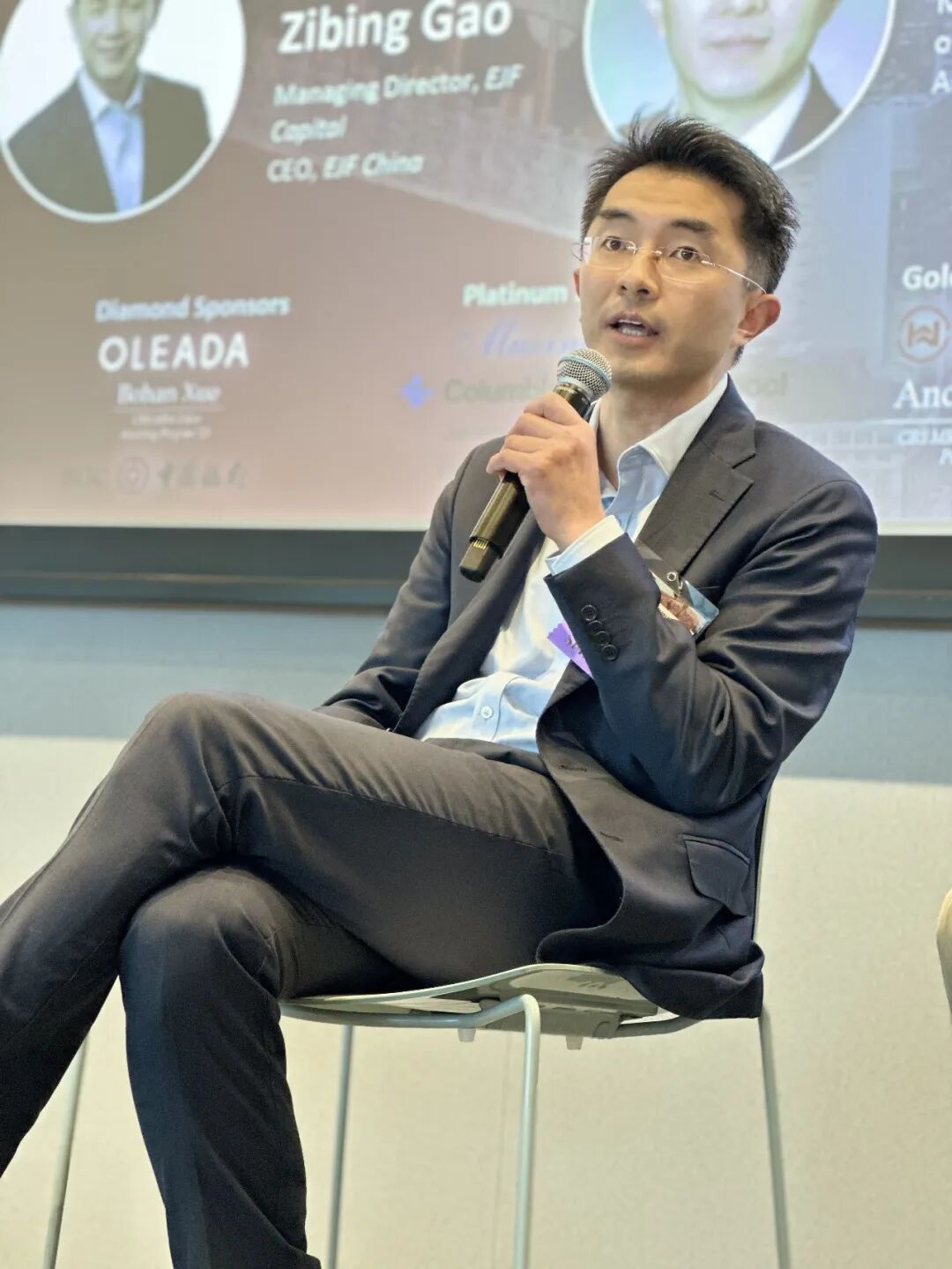
Group Discussion & Q&A
During the subsequent group discussion and audience Q&A, the panelists analyzed the mechanisms through which aggressive interest-rate hikes by central banks around the world had contributed to heightened vulnerabilities in the global financial system.
They emphasized the importance of strengthening risk-management practices in asset management, highlighted potential weaknesses in existing government interventions and market-based solutions for addressing crises of this nature, and shared their views on establishing regulatory rules that are better aligned with changing circumstances and real-world conditions.
The panelists also engaged in an in-depth discussion of the potential evolution of the current economic environment and its future trajectory.
The panelists noted that continued instability in the banking sector could lead to tighter lending standards and stricter financial regulations, while unemployment could begin to rise more rapidly. As a result, the Federal Reserve might be forced to abandon its efforts to combat inflation earlier than expected.
They also discussed the possibility of negative GDP growth in the eurozone, which they considered more likely, and noted that the U.S. dollar could remain strong, while cautioning against the risk of overshooting.
In discussing sector allocation, some panelists expressed greater interest in defensive industries, including healthcare and consumer sectors, while taking a more cautious view of the energy and manufacturing industries.
With regard to investment strategies, the panelists generally advocated a cautious approach, including reasonable allocations to high-quality equities, long-duration bonds, or investment strategies using relevant derivatives as alternatives, with the goal of achieving greater resilience against market risks.
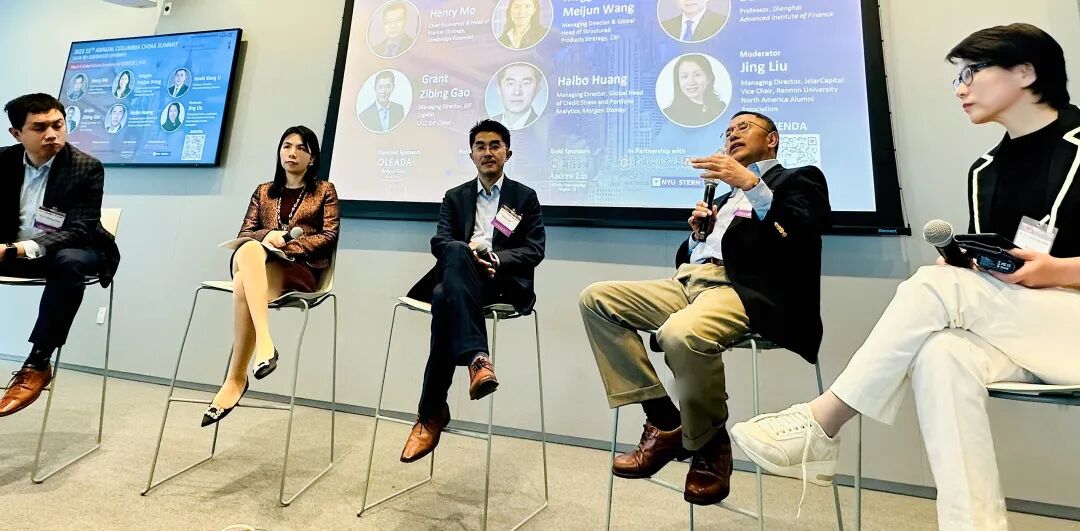
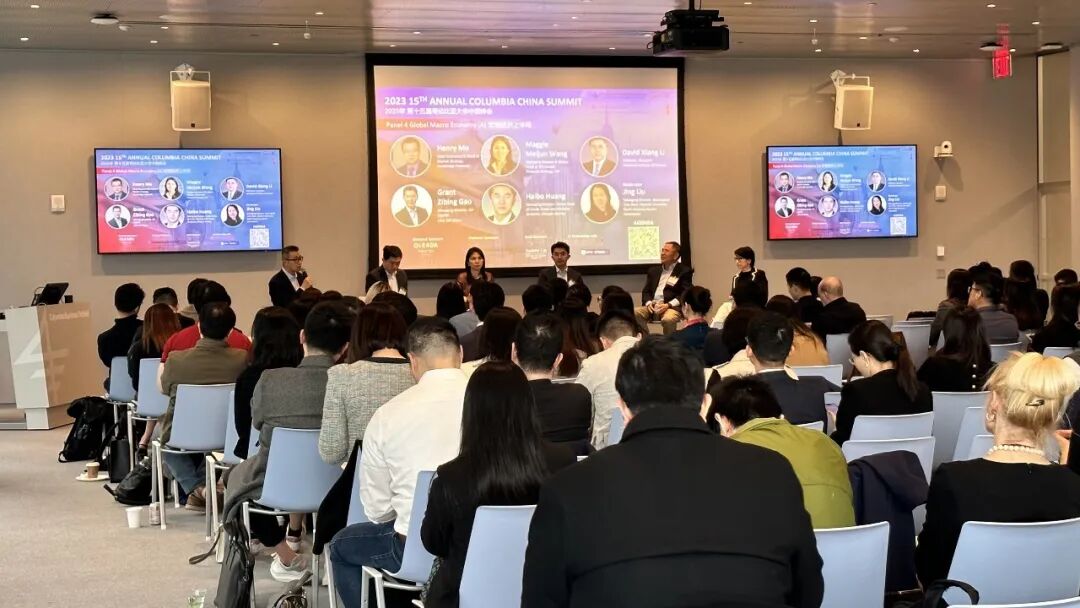
Against the backdrop of the current international environment and U.S.-China relations, RUC-NAAA sees its participation as a strategic partner and co-organizer of the Columbia China Summit as an important opportunity to further strengthen its alumni network and make greater use of its resources and connections.
Going forward, RUC-NAAA will continue to encourage alumni across North America to play a more active and constructive role in the development of U.S.-China relations. In particular, the association will actively expand cooperation with leading academic institutions, social organizations, and exemplary businesses across North America, while participating in and organizing more academic and social activities focused on issues of importance to China and the United States.
Through these efforts, RUC-NAAA hopes to contribute ideas and practical efforts toward mutually beneficial outcomes in the areas of bilateral economics, finance, business, and trade.